Is stainless steel better than aluminium for memorial QR plaques? Cemetery checks, materials and setup
A practical guide to stainless steel versus aluminium memorial QR plaques, with cemetery checks, installation, weatherproofing and QR setup for AU, UK and US families.
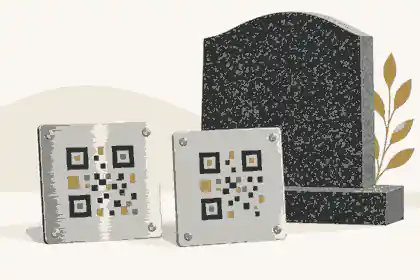
Stainless steel is usually better than aluminium for memorial QR plaques when the plaque will sit outdoors for many years, especially in coastal, wet, sunny or regularly cleaned cemetery conditions. Aluminium can still be suitable when it is high-quality anodised aluminium, the site is sheltered and the family accepts that the finish may need closer checking, but cemetery approval, scan readability, installation method and digital setup matter just as much as the material.
The practical answer to the question is stainless steel first, anodised aluminium second, and printed labels or thin coated tags last. Stainless steel is not magic, and aluminium is not a poor material. The difference is margin for error. A memorial QR plaque may face rain, heat, irrigation, cleaning, pollen, lichen, salt air, mower vibration, direct sun and years of people touching or wiping the surface. In that setting, the material must preserve contrast, resist corrosion, avoid glare and hold the QR pattern cleanly enough for a phone camera to read. Families comparing the best materials for QR memorial plaques should judge the plaque as an outdoor access point to memory, not simply as a small metal square.
QR code technology itself is well established. Denso Wave describes the history of the QR Code as a two-dimensional code developed for fast reading and greater information capacity than older barcodes, while the current ISO/IEC 18004:2024 QR code standard specifies the symbology, dimensional characteristics, error correction and production quality requirements. For memorial use, that means the code pattern can be robust, but only if the physical surface, contrast, size and placement are handled properly.
Is stainless steel better than aluminium for memorial QR plaques?
For most permanent outdoor grave, headstone, bench and memorial garden placements, stainless steel is the safer default because it has stronger corrosion resistance, better toughness and a more forgiving service life when the code is engraved or etched into a stable matte surface. The stainless steel industry body worldstainless explains that stainless steel corrosion resistance comes from a chromium-rich passive film that naturally forms on the surface and can regenerate when oxygen is present. That matters on a plaque because the code-bearing surface needs to survive ordinary weather and careful cleaning without losing readable contrast.
Aluminium is lighter and can be attractive, especially when anodised. The Aluminum Anodizers Council explains that anodising converts aluminium surfaces into an integrated aluminium oxide finish that is more durable and corrosion-resistant than bare aluminium. Good anodised aluminium can be a reasonable QR plaque material. The caution is that the finish quality, sealing, edge protection and engraving method vary widely. If the anodised layer scratches, fades, chalks or wears at the code edge, scan performance can suffer before the base metal has truly failed.
The question is therefore not whether aluminium works. It can. The better question is which material gives the family the best chance that visitors can still scan the memorial years from now with little fuss. In exposed settings, stainless steel usually wins. In sheltered columbaria, indoor remembrance areas, protected garden walls or temporary-to-medium-term placements, anodised aluminium may be enough. In harsh coastal air, strong UV, regular rain, irrigation overspray or places where maintenance staff may brush close to the plaque, stainless steel is the calmer choice.
Material comparison for Australian, UK and US families
In Australia, the material decision is often affected by UV, heat, coastal air and cemetery rules that vary by trust, council or operator. In the United Kingdom, local authority cemeteries and churchyards often have detailed memorial regulations, and even small additions may need permission. Dover District Council’s cemetery and memorial regulations, for example, require approval before memorials are erected and set expectations around safety, installation and responsibility. In the United States, municipal, private, religious and veterans’ cemeteries each set their own rules; the US Department of Veterans Affairs’ headstones, markers and medallions information shows how formal marker standards can be in national cemetery contexts.
Across all three markets, families should ask the same first question: will the cemetery allow the material, size, finish and attachment method? The Evaheld Memorials article on cemetery rules for QR codes is relevant because many rulebooks do not mention QR codes by name; they usually control additions, attachments, inscriptions, plaques, vases, bench plates and marker alterations more generally. A cemetery that accepts a small adhesive plaque on polished granite may refuse a freestanding stake, a reflective plate, an oversized tag or anything installed without an approved mason.
Stainless steel is generally easier to defend in an approval conversation because it sounds permanent, restrained and maintainable. Aluminium may still be accepted, but families should be ready to explain whether it is anodised, how the code is marked, whether the surface is non-glare, and whether the plaque can be removed without damaging the monument. The words weatherproof or outdoor grade are not enough on their own. Ask what alloy, finish, marking process, adhesive or fixing system is being used.
Readability matters more than decorative finish
A beautiful plaque that cannot be scanned is a failed QR plaque. Modern phones make scanning easier than it used to be: Google explains that Camera from Google can scan QR codes, and Android’s own advice describes ways to scan QR codes on Android using camera, QR scanner and Lens features. Even so, cemetery conditions are not a clean retail checkout. Visitors may be standing in bright sun, rain, dusk, shade or emotional distraction. Some will be older. Some will hold flowers, a walking stick or a child’s hand.
The QR pattern should have strong contrast, enough quiet space around it, a flat and low-glare surface, and a size that can be scanned without awkward crouching. Mirror-polished stainless steel can look premium but reflect sky, trees or the visitor’s phone, so a brushed, bead-blasted or coated matte finish is often better. Aluminium can also glare if the finish is shiny. Ceramic can hold excellent contrast, but it may chip if struck. Acrylic and sticker-style tags can look sharp at first, yet scratches, clouding and UV exposure can reduce readability.
Placement is part of readability. Families choosing where to place a QR code on a headstone should avoid areas that are too low, too close to vases, too exposed to mower contact, too far from a comfortable standing position or too visually dominant. A discreet lower corner, bench side plate or nearby approved plaque can work well when it respects the original memorial design. On flat markers, the angle of light and water pooling matter more than on upright stones.
Think of the QR plaque as a small doorway. It should invite scanning without competing with the name, dates, epitaph, symbols or stonework. A restrained design is not less personal; it keeps the physical memorial dignified while the linked page carries the fuller story.
Cemetery checks before ordering
Before buying stainless steel or aluminium, contact the cemetery, council, churchyard, memorial park, crematorium, veterans’ cemetery or private operator. Ask whether QR plaques are allowed, whether a mason must install them, whether adhesive mounting is permitted, whether the plaque must be a certain size or material, whether bench or columbarium rules differ from grave rules, and whether written approval is required before manufacture. Do this before engraving the code, because a finished plaque may not be usable if the design is refused.
Australian families should check the cemetery trust or operator, particularly for lawn sections, memorial gardens, cremation walls and heritage areas. UK families should check the burial authority or churchyard rules, because local rules can specify materials, dimensions, inscriptions and installation procedures. US families should check the cemetery office and, where relevant, veterans’ cemetery standards or religious cemetery policies. The practical principle is the same everywhere: the grave owner or authorised applicant usually needs permission for any addition to a memorial.
If you are adding a plaque to an existing stone, the decision becomes more delicate. The article on adding a QR code to an existing headstone covers the broader planning path, but the key point is simple: do not drill, glue or alter a monument without permission and a surface-specific plan. Polished granite, rough stone, bronze plaques, sandstone, marble, ceramic tablets and benches behave differently. Adhesive that works on one surface may be inappropriate on another.
Ask for approval in concrete terms. A useful message might say: “We would like to add a small matte stainless steel QR plaque, approximately 50 mm square, to the lower right area of the headstone using a non-invasive adhesive method, subject to your approval. The code opens a family-controlled memorial page. No drilling is proposed.” Adjust the dimensions and method to the actual product. The goal is to make the decision easy for the cemetery, not to surprise staff after installation.
Installation, weatherproofing and care
Installation should be boring, clean and documented. Test the QR code before installation, test it again while holding it in the proposed position, and test it after the adhesive or fixing has cured. Check the scan from a normal visitor’s height and angle. If the phone struggles, adjust before the plaque is permanently mounted. Good setup prevents the most common problems: glare, poor signal expectations, awkward reach, low contrast, dirty surfaces and incorrect links.
Headstone and plaque care should stay gentle. The US National Park Service’s best practice recommendations for cleaning headstones emphasise avoiding damage to markers during cleaning, while the VA’s cleaning guidance for government-furnished headstones and markers warns that the purpose is to remove soiling, not make a marker look new, and cautions against harsh methods such as power washing. That same conservation mindset applies to QR plaques. Use water, a soft cloth and the cemetery’s permitted methods. Avoid abrasive pads, metal brushes, solvents, pressure washers and aggressive rubbing on the QR face.
Weatherproofing is not only about rain. It includes UV exposure, heat, freeze-thaw cycles, coastal salt, biological growth, dust, tree sap, bird deposits, irrigation minerals and the repeated touch of visitors. Stainless steel with an engraved or etched code and matte contrast usually tolerates those realities better than aluminium. Aluminium can work when anodised and sealed well, but exposed edges and scratches should be watched. If a plaque uses a printed overlay, ask what protects the print, how UV has been tested, and how replacement works.
The linked digital memorial needs maintenance too. Families often focus on metal, but a QR code is valuable only if it opens the right page. Evaheld Memorials’ article on how long QR memorials last separates the physical plaque from the digital destination. A stainless plaque may physically last for many years, but the memorial page must also stay accessible, editable and backed by a provider the family trusts.
Privacy, safety and the linked memorial page
A QR plaque in a cemetery is physically public, even if only some people choose to scan it. That makes privacy decisions important before setup. The US Federal Trade Commission warns that scammers can hide harmful links in QR codes, so families should be careful that the plaque points to a trusted, stable memorial destination; its QR code scam warning is a useful reminder to test the destination and avoid confusing redirects. The Office of the Australian Information Commissioner’s online privacy guidance is also relevant because a loving memorial can still disclose more personal information than the family intended.
Do not place private addresses, phone numbers, sensitive family conflict, children’s details, unpublished funeral logistics or financial information behind a public grave code. Use the linked page to share what feels appropriate for strangers, neighbours, future relatives and old friends who may scan years later. More personal photos, voice recordings or family-only stories can be kept behind privacy settings if the platform supports them.
The content behind the plaque may matter more than the plaque material. Evaheld’s article on what a QR memorial can link to helps families choose between a simple public tribute, a fuller story, photos, videos, funeral details, condolences and ongoing contributions. For some families, the right first version is modest: a name, dates, a short story and selected images. More can be added later after relatives have had time to decide together.
This is also where brand separation matters. Evaheld Memorials is for memorial pages, QR memorials and remembrance spaces. Digital legacy vault language belongs to Evaheld, not Evaheld Memorials. For this article, the relevant product is the memorial page and plaque experience, not estate planning, will-making or private digital vault storage.
Cost, replacement and long-term planning
Price should not be the first decision, but it should be transparent. The ACCC’s funeral services information reminds Australian consumers to compare costs and understand what is included before agreeing to funeral-related purchases. For QR plaques, compare more than the metal. Ask whether the plan includes the memorial page, hosting, privacy options, moderation, media uploads, replacement support, shipping, setup assistance and the right to update the page later.
If a stainless steel plaque costs more than anodised aluminium, the extra cost may be reasonable when the site is exposed and replacement would be emotionally or administratively difficult. If the plaque is for a sheltered indoor niche or a temporary service display, aluminium may be proportionate. A more expensive plaque is not automatically better; a cheaper plaque is not automatically poor. The right comparison is total suitability: material, scan quality, cemetery approval, digital destination, update process and replacement path.
Families should also plan what happens if the plaque is damaged. Lawn equipment, vandalism, adhesive failure, severe staining or a changed cemetery rule can all require replacement. The Evaheld Memorials guidance on replacing damaged QR memorial plaques is useful because the aim is usually to preserve the same memorial destination, not force the family to rebuild the tribute from the beginning. A stable URL and editable memorial page reduce the stress of physical replacement.
Updates are another advantage of QR memorials. A stone inscription is fixed, but the linked memorial can grow with tributes, photographs and family stories. The article on updating QR memorial content explains why the plaque should point to an editable memorial page rather than an improvised file or short-lived link. A stainless steel plaque that opens an abandoned or uneditable page is not a good outcome.
What to ask before choosing stainless steel or aluminium
Use this checklist before ordering. Is the plaque allowed by the cemetery? Does the family have authority to request the addition? Is the material stainless steel, anodised aluminium or something else? Is the QR code engraved, etched, fired, printed or laminated? Is the surface matte enough to avoid glare? Is the code large enough to scan comfortably? Is there a quiet border around it? Has the destination URL been tested? Can the linked memorial page be updated? Can the family control privacy? Can the plaque be replaced without changing the memorial destination?
Also ask what the plaque will look like beside the existing memorial. A QR code should not make the stone feel commercial, crowded or visually jarring. It should sit in service of remembrance. Families looking at the first plan that includes QR memorial plaques should consider both the physical QR plaque and the linked memorial experience. The plaque is the doorway; the page is where memories, condolences and photographs can live.
For Evaheld Memorials product details, what the Memorial Plaque & Tribute plan includes is relevant because families often want to know whether the QR plaques, memorial page and sharing options sit together rather than being assembled from unrelated services. That integration is especially helpful when several relatives need to review wording, photos, privacy and placement before anything becomes public.
Notable memorial profiles show why the balance between physical marker and fuller story matters. A visitor may know Pablo Picasso through artworks, Steve Jobs through technology, or Princess Diana through public service and humanitarian work, but a memorial page can hold context, memory and life detail beyond a name and date. The same principle applies to any family: the plaque should be durable enough to keep opening the story, while the digital memorial should be thoughtful enough to be worth opening.
Final recommendation
If you want the most practical answer, choose a matte stainless steel QR plaque with a permanently engraved or etched dark-on-light code, confirm cemetery approval in writing, test the scan at the actual placement angle, and link it to a memorial page your family can update over time. Choose anodised aluminium only when the finish quality is clear, the site is moderate or sheltered, and you are comfortable checking it more closely over the years.
Stainless steel is better than aluminium for most memorial QR plaques because it gives stronger long-term protection against corrosion, wear and cleaning mistakes. Aluminium remains a valid option in the right setting, but it has less forgiveness when outdoor exposure, scratches, edge wear or coating quality become part of the story. The best memorial decision is not material alone; it is material plus cemetery checks, installation, weatherproofing, privacy, setup and a stable digital memorial destination.
When your family is ready to connect a physical plaque with a thoughtful digital tribute, Evaheld Memorials can help you plan is stainless steel better than aluminium for memorial qr plaques with the plaque, privacy and memorial page decisions considered together.


FAQs
Is stainless steel better than aluminium for memorial QR plaques? Cemetery checks, materials and setup
Yes, stainless steel is usually better for permanent outdoor cemetery QR plaques because it resists corrosion, cleaning wear and long-term exposure more reliably than aluminium. Anodised aluminium can still suit sheltered or lower-impact settings, but families should confirm cemetery approval and review the best materials for QR memorial plaques alongside stainless steel corrosion resistance before ordering.
Do cemeteries allow stainless steel or aluminium QR plaques?
Some cemeteries allow QR plaques, but permission depends on the cemetery, grave type, material, size, wording, finish and installation method. Families should check cemetery rules for QR codes and then ask the operator directly, because local rules like cemetery and memorial regulations often require approval before anything is added.
Will aluminium QR plaques last outdoors?
Aluminium can last outdoors when it is properly anodised, sealed and marked with a durable QR code, but it is more dependent on finish quality than stainless steel. If your family is comparing aluminium with steel, how long QR memorials last should be considered alongside anodising converts aluminium surfaces into a more durable protective finish.
What finish is best for a scannable QR memorial plaque?
A matte or low-glare finish with a dark code on a light background is usually best, because visitors may scan in sun, shade or rain. Placement advice in where to place a QR code on a headstone works well with the technical expectations in the ISO/IEC 18004:2024 QR code standard.
Can I add a QR plaque to an existing headstone?
Often yes, but you should not attach anything to an existing headstone until the cemetery or relevant authority has approved the design and method. Families considering adding a QR code to an existing headstone should also follow conservation-minded care like the best practice recommendations for cleaning headstones.
What should the QR plaque link to?
The plaque should link to a stable, family-controlled memorial page rather than a temporary file, short-lived redirect or unmoderated public profile. Evaheld’s guidance on what a QR memorial can link to fits the original purpose of QR technology described in the history of the QR Code: a compact code that opens richer information.
How do visitors scan a memorial QR plaque?
Most visitors can open their phone camera, point it at the QR code and tap the banner that appears, although exact steps vary by device. The Evaheld overview of updating QR memorial content helps families keep the destination current, while Camera from Google can scan QR codes on supported devices.
What if the plaque is damaged or stops scanning?
If a plaque is damaged, the best outcome is replacing the physical plaque while keeping the same memorial destination. Families should read replacing damaged QR memorial plaques and avoid harsh cleaning methods, consistent with the VA’s cleaning guidance for government-furnished headstones and markers.
Which Evaheld plan includes QR memorial plaques?
The relevant Evaheld Memorials FAQ explains the plan inclusion, so families comparing plaque materials can also confirm the product side. Start with first plan that includes QR memorial plaques, then use broader consumer comparison habits such as the ACCC’s funeral services information when reviewing costs.
What is included in the Memorial Plaque & Tribute plan?
The Memorial Plaque & Tribute plan brings the physical plaque and the digital memorial experience together, so families are not only buying a code-bearing object. The details in what the Memorial Plaque & Tribute plan includes should be read with privacy advice such as the online privacy guidance before deciding what the QR-linked page should reveal.