Can You Add a QR Code to an Existing Headstone?
In many cases, families can add a QR code to an existing headstone with a plaque or medallion, but cemetery rules should be checked first.
Last Updated: June 24, 2026
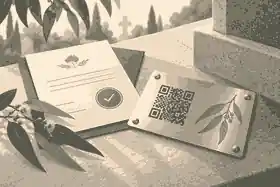
In many cases, yes: families can add a QR code to an existing headstone without replacing the whole marker. The most common routes are an adhesive plaque, a mechanically mounted plaque, a bronze or stainless medallion, or, where the stone condition and cemetery rules allow it, new engraving cut into the monument itself. Whether that is possible at a particular grave depends less on the idea of a QR code and more on three practical questions: what the cemetery permits, what the stone can safely accept, and which attachment method will stay readable outdoors over time.
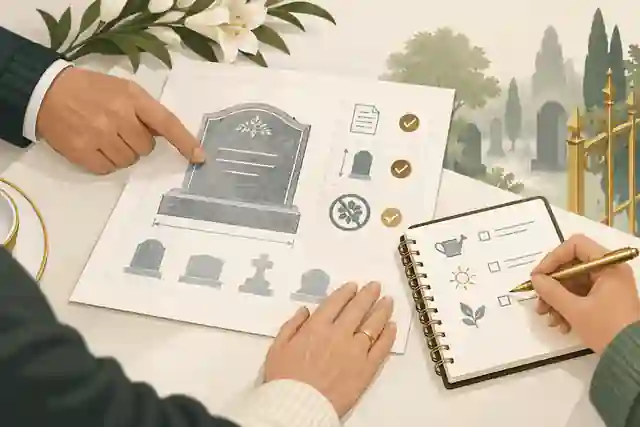
That is why the first decision is usually not “Which QR code style looks best?” but “Do we need a new grave marker at all?” Often the answer is no. If the current headstone is structurally sound, has usable space, and sits in a cemetery that allows alterations or add-on memorial hardware, a separate QR memorial plaque or medallion can be enough. If the headstone is cracked, unstable, heavily weathered, or subject to strict design rules, the family may need a different placement method or, in some cases, a replacement marker approved through the cemetery and stonemason.
For families already comparing options, Evaheld Memorials can support the digital side of that process. The platform explains how a memorial page, a digital condolences book, written tributes, and QR memorial access on the free memorial plan fit together, while the paid tiers add private sharing, contributor tools, media uploads, and, on higher plans, physical plaque options. If you want to understand the broader memorial setup around the code itself, the guides on what a QR memorial is, how QR codes on headstones work, and what a QR memorial can link to give useful context before you order hardware.
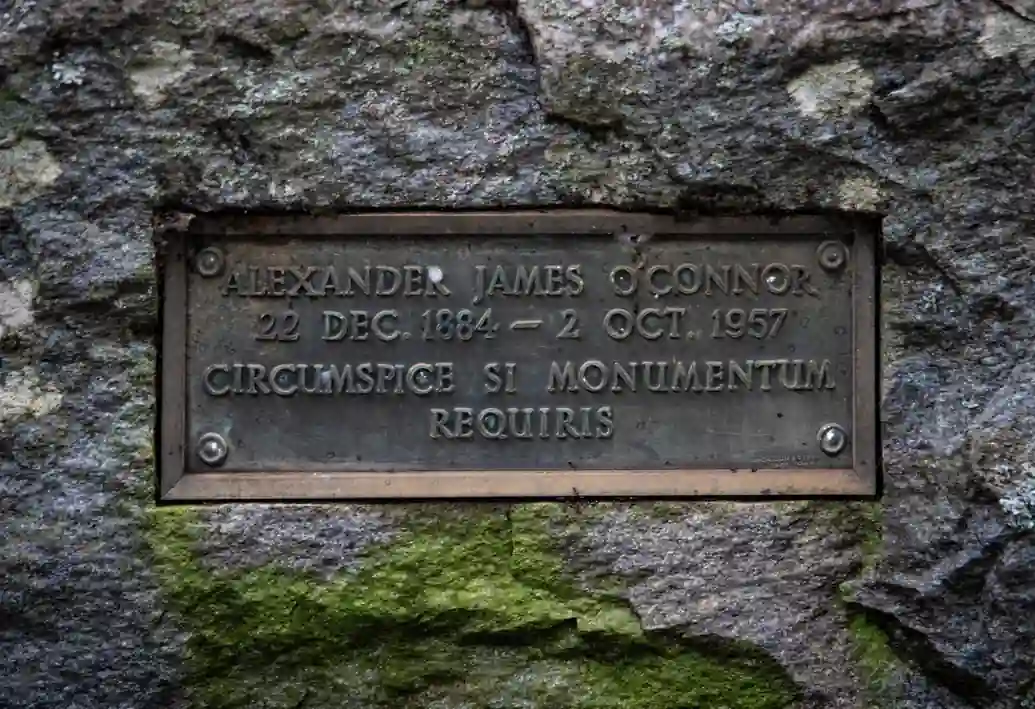
What are the safest ways to add a QR code to an existing headstone?
The safest approach is usually to treat the QR code as an added memorial element rather than as a do-it-yourself alteration. On an existing headstone, families generally choose between four methods: a weather-resistant adhesive plaque fixed to a smooth area, a plaque or medallion that is mechanically mounted by a monument professional, a small add-on marker placed adjacent to the stone if cemetery rules prefer that layout, or direct engraving into the existing monument after inspection. Each option solves a slightly different problem.
Adhesive plaques are often the least invasive choice. They can work well on polished granite or other surfaces that are flat, clean, and stable, especially when the family wants to avoid drilling or cutting. They are also useful when there is enough room on the face, side, or base of the marker for a plaque that will not obscure names, dates, religious symbols, or required inscription space. The trade-off is durability. Adhesives are affected by heat, moisture, stone texture, cleaning methods, and expansion and contraction over time. A plaque that looks secure on day one may fail early if it is installed on a rough, damp, sugaring, or flaking surface.
Mounted plaques and medallions are often more dependable outdoors because the attachment system is designed for long-term exposure. In some cemeteries, a bronze or stainless medallion fixed by a monument company is easier to approve than a self-applied adhesive product because it is closer to the way other memorial elements are handled. This can be especially helpful where the cemetery requires formal review of the size, material, dimensions, and placement of any memorial addition. The practical benefit is that a mounted piece can be positioned more deliberately, with attention to scanning angle, water runoff, mower clearance, and how visitors actually stand in front of the monument.
Direct engraving can be the cleanest-looking result, but it is not automatically the best answer. The stone has to be suitable for cutting, the QR pattern has to remain readable at the chosen size, and the cemetery has to permit new engraving on the existing marker. Weathering also matters. If the stone is old, granular, cracked, or already losing surface detail, engraving may reduce readability or accelerate deterioration. The U.S. National Park Service guidance on cleaning grave markers stresses that grave markers should be treated with the gentlest possible methods and that unstable, flaking, or powdering stones should be assessed with care before any intervention is attempted. Its companion advice on best-practice headstone cleaning is equally relevant when a family is deciding whether to cut into an older headstone rather than attach something separate.
Adjacent placement is worth considering when the original headstone is full, fragile, historically sensitive, or tightly controlled by cemetery policy. Some cemeteries are more comfortable with an added flush plaque, small companion marker, or approved memorial element placed beside the existing stone rather than fixed on its face. If the goal is remembrance and easy access to the online memorial, the QR code does not always need to sit on the main inscription panel itself. In practice, this option can preserve the original monument while still giving visitors a scannable route to a tribute page.
Cemetery approval matters because rules can be surprisingly specific. Public cemetery guidance from cities such as Tampa’s headstone requirements, Austin Cemetery Operations rules, and Bixby’s monument information page shows that memorial work often needs prior review, written consent, approved contractors, dimension checks, diagrams, or foundation rules before installation starts. Guidance from Hempstead’s monument rules points to the same reality: even relatively small memorial changes can be governed by installation, ownership, and foundation requirements.
Stone condition is the other major deciding factor. A polished modern granite marker may accept an add-on plaque very differently from an older marble stone that has begun to sugar or delaminate. The National Park Service’s cemetery conservation resources explain that moisture, biological growth, salts, and freeze-thaw cycles can all worsen deterioration, and that aggressive cleaning or unsuitable treatment can do permanent damage. That means any surface preparation for a QR plaque should be conservative and compatible with the stone. A code that depends on a perfectly flat, high-contrast surface may not perform well if the substrate is already uneven, cracked, or prone to staining.
Placement also affects usability. A QR code should be easy to scan without forcing a visitor to crouch into planting beds, step onto neighbouring plots, or cast a strong shadow across the code. If it sits too low, it may collect splashback and lawn debris. If it sits on a curved edge or textured carving, phone cameras may struggle to resolve the pattern. If it is placed where sun glare is constant, readability may suffer even when the print quality is high. That is one reason families often benefit from reading the related Evaheld articles on where to place a QR code on a headstone, best materials for QR memorial plaques, and how long QR memorials last before committing to a layout.
If you are deciding between a simple online memorial and a more physical installation, Evaheld’s product pages also help frame the choice. You can compare the current Memorials pricing options, see which Evaheld plan includes QR memorial plaques, review what the Memorial Plaque & Tribute plan includes, and check whether the plans are one-time payments. Those pages do not replace cemetery approval, but they can help a family decide whether they need only a digital memorial link or a fuller plaque-based memorial setup.
Questions to ask the cemetery or stonemason before ordering
- Does the cemetery allow a plaque, medallion, or QR element to be added to an existing headstone?
- Does approval need to be in writing before the item is ordered or manufactured?
- Must the installation be done by an approved monument company or cemetery contractor?
- Are there rules on size, thickness, metal type, finish, colour contrast, or exact placement?
- Would the cemetery prefer a separate adjacent marker instead of attaching anything to the existing stone?
- Is the current stone structurally sound enough for mounting or engraving?
- Will adding the QR code interfere with future inscriptions, reopening of the grave, or routine maintenance?
When might a family need a new grave marker instead?
A new grave marker is more likely to be needed when the existing headstone cannot safely or legally take the addition. That may be because there is no spare space, the inscription face is too worn, the stone is cracked or unstable, the cemetery prohibits attachments, or the family wants a more integrated design than an add-on can provide. In those cases, trying to force a plaque onto the old marker can lead to wasted money, approval problems, or a result that fails outdoors.
One common trigger is poor stone condition. If the headstone is leaning, flaking, sugaring, broken, or historically sensitive, even a small intervention can be risky. The National Park Service notes that unstable grave markers and deteriorated surfaces should be approached cautiously and that harsh cleaning or invasive treatment can accelerate damage. If a conservator or monument professional says the stone should not be drilled, ground, or strongly bonded to, that is a sign that a separate solution may be safer than touching the original monument at all.
Another trigger is restricted cemetery policy. Some cemeteries only allow certain materials, only permit flush markers in particular sections, or require all memorial installations to follow strict size and foundation standards. Others reserve installation work to approved contractors or cemetery staff. If the rules prohibit attachments to an existing headstone, the family may need to choose an approved nearby marker, a different memorial location, or a full replacement that meets current standards. The related guide on cemetery rules for QR codes can help families understand why two cemeteries may treat the same QR memorial request very differently.
Families also choose replacement when they want better long-term readability. QR codes need clear contrast, a stable substrate, and enough physical size to scan reliably after weather exposure. A small plaque squeezed onto a crowded inscription panel may work poorly compared with a newly designed marker that builds the code into the overall layout from the beginning. Likewise, if the current stone sits where irrigation, mud, or mower debris regularly hit the surface, moving to a new marker or companion element may improve durability. If the concern is longevity more than appearance, the article on future-proofing QR memorials is a useful next read.
Professional installation is especially important here. A monument company can test whether the proposed plaque size is scannable, whether glare or relief carving will interfere with phone cameras, and whether the chosen metal and fixings are appropriate for the climate. They can also tell you if there is enough room to respect the original inscription and still leave a safe margin around the new piece. In many cases, that practical advice is what prevents a family from ordering a plaque that later cannot be installed.
It is also worth thinking beyond the hardware. The QR code is only as good as the memorial page it leads to. Families often want a destination that can hold condolences, stories, photographs, and updates over time rather than a single static page. Evaheld’s public information explains how Evaheld Memorials works, what Evaheld can create from one AI prompt, and how family and friends can be invited to contribute. Those features matter if the family wants the physical code to lead to something that remains useful after the installation day.
For some families, the better answer is to start with the memorial page now and make the hardware decision after the cemetery and stonemason reply. That can reduce pressure and avoid ordering the wrong plaque in the middle of grief. If you want to begin that way, you can start a memorial and get the QR-linked page ready for sharing first, then decide whether the final physical format should be an adhesive plaque, mounted medallion, adjacent marker, or a fully replaced stone.
There are also moments when replacement is mainly about visual integrity. If the existing headstone is very old, very small, or already full of symbolism and text, adding a modern code may feel intrusive to the family even if the cemetery allows it. In those cases, a separate but coordinated memorial element may honour both needs better: preserving the original appearance while still giving visitors a path to the digital tribute. If damage becomes the issue later, the guides on replacing damaged QR memorial plaques and updating QR memorial content explain how families can manage change without losing the memorial itself.
Before making the final choice, it helps to ask one more set of questions: Is the goal to preserve the existing stone almost untouched, or to create the best scanning experience regardless of whether that means a new memorial element? Does the family need something discreet, or something clearly visible for visitors who are not tech-confident? Does the cemetery care most about appearance, material, or installer control? The answers usually reveal whether an add-on will genuinely work or whether replacement is the more respectful and durable path.
Related Evaheld Memorials guidance
Families working through Can You Add a QR Code to an Existing Headstone? often need a few connected decisions in one place: cemetery rules for QR codes, where to place a QR code on a headstone, How Much Does a QR Memorial Cost?, whether QR memorials are safe, future-proofing QR memorials. These related guides help the article sit inside a fuller memorial planning path rather than leaving each decision isolated.
For Evaheld Memorials product details, the most useful companion pages are private memorial sharing choices, tributes and condolences on a memorial, how quickly can I create an online memorial, plans with private memorial options, subscription or one-time memorial plans. They explain setup, privacy, contribution and sharing choices before a family invites others into the memorial.
FAQs about Can You Add a QR Code to an Existing Headstone?
Can you add a QR code to an existing headstone?
In many cases, yes: families can add a QR code to an existing headstone without replacing the whole marker. The most common routes are an adhesive plaque, a mechanically mounted plaque, a bronze or stainless medallion, or, where the stone condition and cemetery rules allow it, new engraving cut into the monument itself. Whether that is possible at a particular grave depends less on the idea of a QR code and more on three practical questions: what the cemetery permits, what the stone can safely accept, and which attachment method will stay readable outdoors over time.
Start with the practical facts, then leave room for memory, emotion and family preferences. private memorial sharing choices can help you organise the Evaheld Memorials side, while Better Health grief information gives families wider context before decisions feel rushed.
How can a QR memorial feel personal and respectful?
A respectful plan usually combines clear information, gentle language and a way for close people to contribute at the right time. tributes and condolences on a memorial supports that shared approach, and FTC funeral rule information is a useful reminder that grief affects people differently.
When should a QR plaque or engraving be planned?
Begin as soon as the task would reduce pressure rather than add to it. Families often start with a simple memorial draft, then refine details over time using how quickly can I create an online memorial; ACCC funeral services information can also help with the first administrative steps after a death.
Who should approve the memorial and its linked content?
The closest organiser should usually guide the final decisions, but relatives and friends can help with stories, photos and checks. plans with private memorial options explains how collaboration can work, while SAMHSA coping tips outlines broader steps families may need to consider.
What should the linked memorial page include?
Yes. A memorial page can hold service details, photos, tributes, updates and a lasting place to return to after the immediate arrangements are over. subscription or one-time memorial plans shows how quickly that can begin, and Moneysmart funeral costs guidance offers trusted context for bereavement care.
How can access to private memorial details be controlled?
Keep sensitive information out of public copy, review contributions before publishing and choose privacy settings before sharing widely. cemetery rules for QR codes explains private memorial options, while Healthdirect grief support gives practical consumer context around funeral and memorial decisions.
Which plaque, account and memorial details should be recorded?
Keep the memorial URL, service details, donation preferences, key family contacts and any relevant documents in one place. where to place a QR code on a headstone helps families compare plan needs, and Services Australia guidance after a death can support cost and planning conversations.
How can relatives contribute photos and stories?
Invite people to contribute specific memories, photographs or messages, then review everything before it appears publicly. How Much Does a QR Memorial Cost? explains tribute and condolence controls, while USA.gov steps after someone dies offers supportive guidance for people coping with loss.
What QR memorial mistakes should families avoid?
Avoid rushing public details, copying private messages without permission or turning the page into a list of tasks. whether QR memorials are safe helps families understand free and paid options, and GOV.UK guidance after a death is useful when funeral-related decisions need clear consumer information.
How does Evaheld Memorials keep the linked tribute available?
Evaheld Memorials gives families a guided place to create, edit, share and preserve a tribute as needs change. future-proofing QR memorials keeps the memorial grounded in practical setup, while National Institute on Aging end-of-life guidance helps families think about comfort and care beyond the page itself.
If you want a calm place to organise memories, tributes, photos and family contributions, create a lasting Evaheld Memorials tribute for your family.
Related Evaheld resources
Continue with these carefully selected Evaheld Memorials guides and answers.