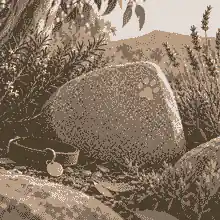
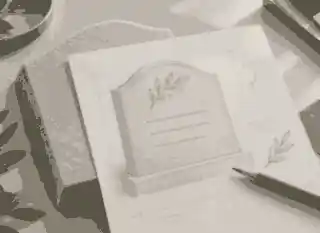
How do I attach a plaque to a rock? Wording, materials and care
A practical guide to attaching a memorial plaque to a rock, covering permission, materials, wording, QR codes, installation and care for AU, UK and US families.

How do I attach a plaque to a rock? Wording, materials and care begins with three decisions: confirm permission for the location, choose a plaque and fixing method that suit the stone and weather, then keep the wording short enough to remain readable for decades. For most outdoor memorial rocks, the safest family process is to photograph and measure the rock, ask the cemetery, council, churchyard, park, private landholder or memorial-garden manager for written approval, have a mason or qualified installer assess the stone surface, and use either mechanical fixings, a professional stone adhesive system or a mounted backing plate rather than a household glue.
Attaching a plaque to a natural rock is more complex than attaching one to a prepared granite headstone or a flat wall because rock surfaces are uneven, porous, weathered and sometimes structurally fragile. A memorial plaque must hold through heat, rain, frost, salt air, irrigation, cleaning and ordinary movement around the site, while still looking restrained and respectful. Families also need to think about permissions before materials, because a technically sound installation can still be refused if it breaches cemetery or site rules. The United States Department of Veterans Affairs explains that even government-furnished markers must fit the rules of the cemetery where they are placed, and its headstones, markers and medallions guidance is a useful reminder that location rules come before personal preference.
The word rock can mean a naturally placed garden stone, a boulder in a family property, a rough grave marker, a cremation garden feature, a memorial walk stone or a landscape element beside a tree, bench or ashes site. Each situation changes the answer. A small bronze plate on a smooth, stable granite boulder may be simple for a mason to mount. A heavy plaque on a crumbly sandstone outcrop may be inappropriate. A QR memorial plaque may need a flatter viewing angle than a purely written plaque. If the setting is a cemetery, start with QR code rules for graves because the same approval principles usually apply to physical plaque placement, visual style, attachment method and long-term maintenance.
Before you attach a plaque to a rock, confirm permission and ownership
The first practical step is not adhesive; it is authority. In Australia, the United Kingdom and the United States, cemeteries, crematoria, churchyards, councils, memorial gardens, national parks, private estates and veterans cemeteries can each set their own requirements. Some allow only approved stonemasons to drill or bond plaques. Some restrict plaque size, colour, wording, symbols, portraits, QR codes, photos, flowers and later alterations. Some do not allow families to attach anything directly to existing stone, trees, boulders or heritage fabric. The Church of England churchyard guidance is particularly relevant for UK readers because churchyard memorials can be governed by ecclesiastical rules as well as local custom.
In Australia, ask the cemetery trust, council, memorial park or land manager for the current written plaque rules, not only a verbal answer. In the UK, ask whether the site is a local authority cemetery, private cemetery or churchyard, because the approval path can differ. In the United States, ask whether the place is a private cemetery, municipal cemetery, state veterans cemetery, national cemetery, memorial park or private property. If the person served in the military, the VA lists the available types of government headstones, markers and medallions, but families still need to check setting costs and local placement permission when the memorial is not being set by cemetery staff.
Permission should answer five questions: who is allowed to install the plaque, what materials are accepted, whether drilling is permitted, whether adhesives are permitted, and who becomes responsible if the plaque loosens or the rock is damaged. If the rock is part of a heritage cemetery or historic setting, conservative practice matters. The ICOMOS Venice Charter emphasises maintaining monuments and respecting setting, original material and evidence; for families, the practical lesson is to avoid irreversible work on culturally significant stone unless the responsible authority and a conservation professional approve it.
Choose the right plaque material for outdoor stone
The best plaque material depends on climate, exposure, attachment method and how close visitors will stand when reading it. Bronze is traditional, dignified and long-lasting, but it naturally darkens and develops patina. Stainless steel can be strong, restrained and corrosion-resistant, especially when brushed or bead-blasted rather than mirror-polished. Anodised aluminium is lighter and can work in milder settings but may scratch more easily. Ceramic can look beautiful and hold crisp imagery, yet it is vulnerable to impact. Acrylic is usually best kept for sheltered or temporary use rather than a permanent outdoor rock memorial. Families comparing finishes can start with which plaque materials cope best outdoors before ordering.
For a rock, weight matters. A heavy bronze plaque may need mechanical anchors into sound stone or a concealed backing system; a lighter stainless plaque may suit a smaller surface. The rock’s surface matters too. Smooth granite gives a better bonding and drilling surface than flaky shale, soft sandstone or weathered limestone. If the rock sheds grit when brushed, sounds hollow, cracks around edges or holds moisture in layers, do not treat it as a stable mounting base without expert advice. A professional installer can sometimes grind a small flat seat, use spacers, create a stand-off mount, or recommend a separate plinth rather than damaging the rock.
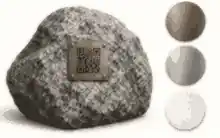
If the plaque includes a QR code, material and finish affect scanning. The QR area should have strong contrast, a matte surface and enough quiet space around the code. GS1’s 2D barcode standards information explains why scannability depends on more than the code itself: contrast, size, print quality and the surrounding space all matter. On a memorial rock, glare from polished metal, deep shadows from a recessed surface and awkward viewing angles can make a technically correct code frustrating to scan. That is why QR plaque placement should be considered with where a QR code can sit on a headstone rather than added as an afterthought.
How to attach a plaque to a rock safely
There are three common professional approaches: mechanical fixing, adhesive fixing and hybrid fixing. Mechanical fixing uses screws, pins, studs or anchors set into drilled holes. It can be strong and inspectable, but it requires sound stone, correct drilling, corrosion-resistant fixings and care not to split the rock. Adhesive fixing uses an exterior stone-compatible bonding system. It avoids visible screws and can work well on suitable prepared surfaces, but it depends heavily on surface preparation, curing conditions and product compatibility. Hybrid fixing combines both, often using pins or studs with adhesive to reduce the risk of movement.
Household construction glue, craft adhesive, silicone sealant, double-sided tape and indoor epoxy are poor choices for a permanent memorial rock. They may fail with moisture, heat, frost, UV exposure or surface dust. They can also stain porous stone. If you are unsure, use a stonemason, monumental mason or experienced memorial installer and ask for the product data sheet, surface-preparation method and expected curing conditions. Evaheld’s related grave plaque adhesive setup checklist for cemetery approval explains why cemetery permission and adhesive suitability should be checked together.
A careful installation process usually looks like this. First, identify the exact plaque position using a paper template and check readability from standing height. Second, clean only the immediate contact area using a dry soft brush and the method approved for the stone; do not pressure wash or chemically strip the rock. Third, mark holes or bonding boundaries with a removable, non-staining method. Fourth, drill only if the site permits it and the rock is structurally suitable. Fifth, use stainless, brass, bronze or other compatible fixings specified for outdoor memorial use. Sixth, allow adhesives to cure without movement, rain or disturbance. Seventh, photograph the final installation for records, especially if the site manager requires proof.
Dust and cutting safety should not be treated casually. Drilling, grinding or cutting stone can create respirable crystalline silica and other hazardous dust. The UK Health and Safety Executive’s dust control guidance for stone and concrete cutting focuses on work equipment rather than memorial etiquette, but its message is clear: dry stone cutting and drilling need proper control, protective equipment and competent practice. This is one reason families should not attempt heavy drilling on a memorial rock with ordinary DIY tools.
Wording for a rock plaque: keep it short, legible and true
A rock plaque is usually smaller than a full headstone, so wording must earn its space. Start with the person’s name, dates or years, and one carefully chosen line. The line can express relationship, character, faith, service, humour or place. For a family garden rock, a warmer phrase may feel right. For a public cemetery or memorial walk, restrained wording often ages better. If you need more examples, examples of memorial plaque wording for headstones plaques and care can help the family compare tone before approving engraving.
Good wording for a rock plaque often follows one of these patterns: full name plus years; full name plus relationship; name, years and short inscription; or name, years and QR-linked digital tribute. Examples include: In loving memory of Daniel James Hart, 1948–2025; Beloved mother, teacher and friend; Resting beside the sea he loved; A quiet strength, remembered always; or Her stories continue with us. Avoid trying to place a full obituary on a small plaque. Long sentences become hard to read outdoors, and crowded lettering traps dirt. For more detailed wording and line-length planning, practical headstone wording material and care checklist gives a broader framework.
Wording should also respect jurisdiction and family context. Australian and UK families commonly use day-month-year ordering, while US families often use month-day-year. Commonwealth spelling uses honoured, remembered and favourite; US wording uses honored, remembered and favorite. Because this article serves Australia, the United Kingdom and the United States, the main language is UK English, but families should use the spelling and date format expected by their cemetery, relatives and local readers. For religious or cultural wording, check with the family, faith leader or cultural authority rather than copying a phrase from the internet. A mistranslated blessing, wrong date order or inaccurate military detail can be painful and expensive to correct.
Rock type, weather and the hidden causes of plaque failure
Most plaque failures come from the combination of unsuitable surface, unsuitable fixing, movement and weather. A rock can look solid while holding moisture under a plaque. Freeze-thaw cycles can expand small cracks in cold climates. Salt air can accelerate corrosion near coasts. Irrigation and fertiliser can stain or pit surfaces in memorial gardens. Tree sap, bird deposits, lichen and mineral staining can make lettering harder to read. NOAA’s ultraviolet radiation information is a useful reminder that outdoor exposure is continuous; UV can degrade coatings, plastics, printed surfaces and some sealants over time.
Natural stone and metal also behave differently as temperatures change. A dark metal plaque can become hot in direct sun while the underlying rock remains cooler. Adhesives and anchors must accommodate these changes without loosening. Drainage matters as well. A plaque set into a shallow recess may collect water; a plaque tilted slightly outward may shed water better. A vertical or gently angled face is usually more readable than a top surface that gathers dirt, puddles and leaves. If the plaque is meant to be scanned by phone, visitors should not have to kneel, lean into a garden bed or shade the plaque with their body.
Historic-care principles can help even when the memorial is new. The US National Park Service’s preservation guidance for grave markers warns that grave markers are vulnerable to weathering, biological growth, inappropriate cleaning and failed repairs. The family-level lesson is to intervene as little as necessary, document what was done, and avoid aggressive products or methods that make future care harder. A plaque attached neatly, reversibly where possible and with clear records is usually better than an oversized plaque bonded permanently across a fragile surface.
Care after installation
Care should be gentle and predictable. Remove loose leaves and dirt by hand or with a soft brush. Wipe the plaque with clean water and a soft cloth if the material allows it. Avoid abrasive pads, metal brushes, acidic cleaners, bleach, pressure washers and harsh stain removers unless the manufacturer and site manager have specifically approved them. The VA’s cleaning guidance on government-furnished markers says the goal is not to make a marker look new, and that improper or unnecessary cleaning can accelerate deterioration; that principle applies just as strongly to family plaques on rocks.
Bronze needs special restraint. Patina is not automatically dirt; it is part of how bronze ages. Over-polishing can damage the finish and create an unnatural patchy appearance. If the plaque is bronze, read clean a bronze plaque wording materials and care before touching it with a product. Stainless steel should usually be cleaned along the grain, not across it. Painted or printed surfaces need extra caution because aggressive cleaning can remove contrast. QR codes need the code edges to stay crisp; repeated rough scrubbing can make a code less reliable even if the plaque still appears intact.
Inspect the plaque seasonally or after storms. Look for lifting corners, corrosion around screws, cracked stone, movement when touched gently, trapped water, fading, illegible lettering or a QR code that no longer scans. If anything moves, stop cleaning and contact the installer or site manager. For families buying a plaque, ask in advance whether there is a repair or replacement process. In Australia, the ACCC’s consumer guarantee information explains general consumer rights when products or services do not meet required standards, although individual cemetery and installation contracts still need to be checked.
Adding a digital memorial or QR code without overwhelming the plaque
A rock plaque can hold the essential inscription while a QR-linked memorial holds the fuller story. That can be especially helpful when the plaque is small, the family wants photos and tributes, or relatives live across countries. The physical plaque can stay restrained; the digital memorial can carry a life story, photographs, funeral details, updates and messages over time. A short inscription beside a scannable code often works better than trying to engrave every relationship and achievement on a limited plate. Families considering the digital side should decide what size should a QR code be on a memorial plaque before approving the artwork.
A QR code should not replace the person’s name. Phones fail, links change and some visitors will not scan. The plaque should remain meaningful on its own: name, dates and a line of remembrance. The QR destination should be stable, respectful and controlled by the family. A memorial QR code can open photographs, biography, condolences, service details, voice memories or a moderated guestbook, and what a memorial QR code can actually link to helps families decide what belongs online rather than on the stone.
Privacy matters because a public physical plaque may be seen by anyone. If the linked memorial includes children’s names, home addresses, private medical details, family conflict or sensitive images, the family should use privacy settings, moderation and careful wording. Grief can also affect decision-making. Healthdirect’s grief and bereavement information notes that grief responses vary, which is why families should avoid rushing permanent wording when emotions are raw. One practical approach is to install a simple plaque and keep the digital memorial editable, so the family can add richer memories after the first decisions have settled.
Costs, quotes and installer questions
Costs vary by plaque size, material, engraving, artwork, QR code production, surface preparation, travel, cemetery fees, drilling, adhesive system and whether a mason must attend. Ask for a written quote that separates plaque manufacture from installation. Ask whether the installer has worked with natural rock, whether they will provide a template, whether they are insured, what fixing method they recommend, and what happens if the site refuses the installation. In the United States, the FTC’s Funeral Rule guidance is aimed at funeral providers, but it reinforces the broader principle that families should receive clear price information before making funeral-related decisions. In the UK, the Competition and Markets Authority’s funerals market order similarly reflects the importance of transparent funeral-sector information.
A good installer should be able to explain why the chosen fixing suits the rock, not merely say it will hold. Ask whether the plaque can be removed later without destroying the rock, whether the fixings are compatible with bronze or stainless steel, whether the adhesive is rated for exterior stone, and whether the plaque edge needs sealing or spacing. If the rock is on private family land, permission may be simpler, but safety still matters. Children may touch the plaque, gardeners may brush against it and visitors may lean close to read it. A loose metal plaque can become a hazard.
Families sometimes want to attach a plaque themselves because the task feels personal. There is nothing wrong with being involved, but involvement does not require doing the risky part. You can choose the wording, approve the artwork, prepare a memory list, gather photographs, ask relatives to proofread dates, and attend the installation. For the physical fixing, use a professional whenever drilling, grinding, heavy plaques, cemetery rules or fragile stone are involved. A calm family role is often to check meaning and accuracy; the installer’s role is to protect the rock and make the attachment last.
Examples of suitable wording and layout
For a small plaque on a garden rock, consider: “In loving memory of Amelia Rose Carter, 1937–2024, whose kindness shaped this home.” For a cemetery boulder: “Thomas Edward Lane, 1942–2026, beloved husband, father and friend.” For a coastal memorial: “Margaret Anne Wells, 1951–2025, forever beside the water she loved.” For a QR-linked plaque: “David Michael Ng, 1960–2024, remembered in stories, music and love,” with the code below or beside the wording. If the person had a public legacy, restraint still works; a memorial for Isaac Newton can mention science and discovery without trying to summarise the whole history of physics on a small plate.
Artists, scientists and public figures show why material, words and care belong together. The legacy of Vincent van Gogh reminds families that colour, place and texture can matter deeply, but an outdoor memorial still needs practical restraint. A tribute to Marie Curie might emphasise courage, discovery and service, yet the same rule applies: a plaque should say one true thing clearly rather than crowding the surface. The fuller life story belongs in a memorial page, printed booklet, family archive or QR-linked tribute.
Final checklist before approving the plaque
Before anyone attaches a plaque to a rock, confirm the site permission in writing, photograph the rock, measure the intended face, choose an outdoor-suitable plaque material, obtain a layout proof, check spelling and dates with at least two people, confirm the fixing method, ask who is insured to install it, check whether the plaque can be maintained gently, and keep the invoice, artwork proof and product notes. If the plaque links to an online memorial, test the QR code on several phones before installation and again after installation. Invite relatives to review memories and photographs through family collaboration options so the physical plaque and digital tribute feel aligned.
A good rock plaque is not the biggest, shiniest or most ornate option. It is the option that is permitted, readable, weather-aware, honestly worded and cared for without damage. When a family is ready to pair the physical marker with a living tribute, Evaheld Memorials can help them attach a plaque to a rock while keeping the stories, photographs and condolences together in a shareable memorial space.


FAQs
How do I attach a plaque to a rock? Wording, materials and care
Attach a plaque to a rock only after the site owner or cemetery has approved the location, material and fixing method; then use a professional stone-compatible adhesive, mechanical fixing or hybrid system suited to the rock. Evaheld’s grave plaque adhesive setup checklist for cemetery approval explains the approval side, while the VA’s headstones, markers and medallions guidance shows why cemetery placement rules matter.
Can I glue a memorial plaque directly onto a natural rock?
You can sometimes glue a memorial plaque to natural rock, but only with an exterior stone-compatible adhesive and proper surface preparation; ordinary household glue is not suitable. For material choice, which plaque materials cope best outdoors is a useful starting point, and the HSE’s stone and concrete cutting dust guidance explains why drilling or grinding should be handled carefully.
What material is best for a plaque on a rock?
Bronze, stainless steel and high-quality ceramic are usually stronger long-term choices than acrylic for an outdoor rock plaque, with stainless steel often the most practical where weather and cleaning matter. Evaheld’s which plaque materials cope best outdoors compares the main options, and NOAA’s ultraviolet radiation information helps explain why outdoor exposure affects finishes.
Do cemeteries allow plaques to be attached to rocks?
Some cemeteries allow plaques on approved rocks, boulders or natural memorial stones, but others restrict materials, wording, drilling and installation. Evaheld’s QR code rules for graves explains how to approach approval questions, and the Church of England’s churchyard guidance shows why UK churchyard memorials may need separate care.
What should I write on a small rock memorial plaque?
Use the person’s name, dates or years, and one short line that says something true without crowding the plaque. Evaheld’s examples of memorial plaque wording for headstones plaques and care can help shape the tone, while ICOMOS’s Venice Charter supports a restrained approach to additions in meaningful settings.
Can a QR code go on a plaque attached to a rock?
Yes, a QR code can go on a plaque attached to a rock if it is large enough, high-contrast, weather-resistant and placed where visitors can scan it comfortably. Evaheld’s what size should a QR code be on a memorial plaque explains sizing, and GS1’s 2D barcode standards information explains why contrast and quality affect scanning.
Where should the plaque sit on the rock?
The plaque should sit on the flattest, most stable and most readable face of the rock, with enough height and angle for visitors to read or scan without crouching awkwardly. Evaheld’s where a QR code can sit on a headstone covers placement principles, and the National Park Service’s preservation guidance for grave markers explains why setting and material condition matter.
How do I care for a bronze plaque on a rock?
Clean gently with a soft cloth, avoid abrasive pads and harsh chemicals, and do not treat natural bronze patina as a fault unless a professional advises it. Evaheld’s clean a bronze plaque wording materials and care gives practical care steps, and the ACCC’s consumer guarantee information is useful if a purchased plaque or installation has a genuine defect.
What can the QR memorial linked from the plaque include?
The QR-linked memorial can include a life story, photos, condolences, service details, voice memories, videos and later updates, while the plaque itself stays simple. Evaheld’s what a memorial QR code can actually link to explains the options, and Healthdirect’s grief and bereavement information is helpful when families need time before deciding what to share.
Who should approve the wording before the plaque is made?
The closest organiser should usually coordinate approval, but at least one other trusted person should check names, dates, spelling, tone and privacy before engraving. Evaheld’s family collaboration options can help relatives contribute memories, while the FTC’s Funeral Rule guidance reinforces the value of clear information before funeral-related purchases.