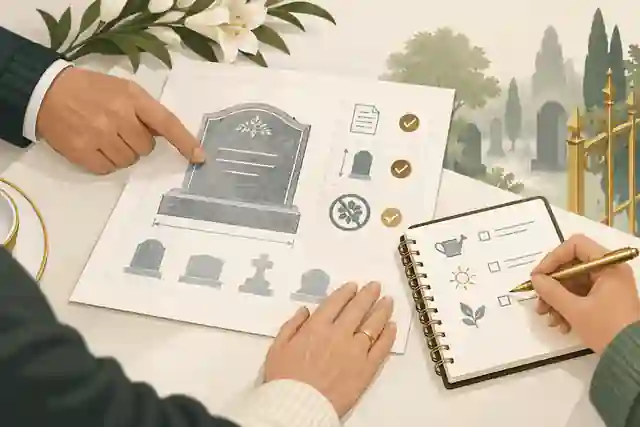
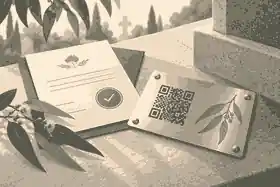
How do I attach a medallion to a plaque? Cemetery checks, materials and setup
A practical guide to attaching a medallion to a plaque, covering cemetery approval, materials, fixing methods, QR readability and long-term setup.
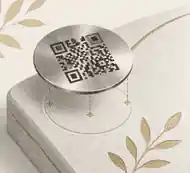
How do I attach a medallion to a plaque? Cemetery checks, materials and setup should come first: get approval from the cemetery or memorial authority, confirm the plaque surface and medallion material are compatible, test the QR code and position, then use the fixing method recommended by the plaque maker, cemetery and, when needed, a qualified monument professional. To attach a medallion to a plaque safely, treat the job as a permanent memorial alteration rather than a small craft task, because installation, weatherproofing, scan readability, stone condition, visitor access and local rules all affect whether the medallion remains secure and respectful.
A memorial medallion may be a small bronze disc, stainless steel plate, ceramic insert, anodized aluminum tag, veterans marker, inscription badge or QR memorial marker fixed to a larger plaque, headstone, niche cover, memorial bench or home remembrance display. The right setup depends on three things: the receiving surface, the medallion material and the rules governing the place where it will sit. A polished granite plaque may accept a carefully prepared outdoor adhesive mount. A rough stone, older marble, public cemetery plaque or metal niche door may need a professional fixing, recessed inlay or approved mechanical mount instead.
Because this article serves readers in Australia, the United Kingdom and the United States while competing primarily against US-focused search results, it uses US English and explains jurisdiction differences directly. Cemetery rules are local. A cemetery may be a municipal burial ground, churchyard, private memorial park, crematorium garden, veterans cemetery, columbarium or natural burial ground. In all three countries, the safest pattern is the same: ask before attaching, keep the design restrained, avoid drilling unless authorized, protect the existing memorial, and record who controls the linked memorial page over time.
How to attach a medallion to a plaque without rushing the wrong step
The first decision is not adhesive, metal or QR code design. It is permission. Many cemetery regulations do not name QR codes, medallions or small digital plaques directly, but they usually regulate additions, attachments, inscriptions, monument alterations and who may work on a memorial. Evaheld Memorials explains the approval pattern in more detail in cemetery rules for QR codes, because a medallion that looks modest may still be classed as an added memorial fixture.
Ask the cemetery office, church authority, crematorium, memorial park or plaque owner these questions before ordering: may a medallion be added to this plaque; does the family need written approval; are there limits on size, color, finish, thickness or placement; must an approved mason install it; may adhesive be used; is drilling allowed; and will the attachment affect future inscriptions, grave maintenance, exclusive rights, lease conditions or veterans benefits? If the plaque is part of a public cemetery or crematorium, keep the approval with the family’s memorial records. In a home setting, permission is simpler, but surface suitability and reversibility still matter.
United States readers should be especially careful when a medallion is connected with funeral arrangements, cemetery sales or veterans memorial benefits. The FTC Funeral Rule information is relevant when funeral providers discuss prices or bundled memorial goods, while the National Cemetery Administration’s commemorative plaque and urn FAQ shows that federal memorial benefits can have specific eligibility effects. The VA also announced additional memorial options through commemorative plaques and urns, which is a reminder not to assume that every plaque, urn, marker, medallion or cemetery benefit works the same way.
Australian readers should check the rules of the cemetery trust, council cemetery, private memorial park or crematorium before any attachment is made. Broader consumer decisions around funeral services are covered by the ACCC funeral services guidance, which is useful when a plaque, marker or digital memorial is discussed alongside other funeral costs. In the United Kingdom, rules may come from a local authority, parish churchyard, private cemetery or crematorium. The Competition and Markets Authority’s Funerals Market Investigation Order 2021 is not an installation manual, but it supports the wider principle that funeral-related choices should be clear, comparable and not rushed under pressure.
If the medallion is being added to a grave marker that already exists, the same questions apply to stone condition, cemetery approval and visitor access. Evaheld Memorials covers the closely related process of adding a QR code to an existing headstone, which is often the practical path when the family wants to preserve the original inscription while adding a small scannable memorial connection.
Choose materials for weatherproofing, readability and the real site
A medallion that looks beautiful indoors may fail outdoors if the material, marking method or attachment system is wrong for the site. Weatherproofing is not a single feature. It includes corrosion resistance, UV exposure, water runoff, freeze and thaw, cleaning routines, mower impact, salt air, irrigation spray, lichen, heat and ordinary handling by visitors. The Australian Bureau of Meteorology climate information is a practical reminder that outdoor memorials may face high UV, heavy rain and large temperature variation depending on location; United Kingdom cemeteries often add damp, frost and biological growth; United States sites may add snow, desert heat, hurricanes, coastal salt or strong seasonal shifts.
For long-term outdoor use, stainless steel is often the most practical all-round medallion material, especially when the code or lettering is laser marked, etched or engraved rather than printed on a thin surface film. Ceramic can be excellent where appearance and fired-in contrast matter, particularly on memorial walls or protected plaques, but it can chip if struck. Bronze has a traditional memorial character and can age beautifully, but patina and color change must be considered when QR readability matters. Anodized aluminum can work in moderate conditions if the coating and marking quality are high. Acrylic, vinyl labels and low-cost printed stickers are usually weaker choices for exposed cemetery use.
Evaheld Memorials compares the best materials for QR memorial plaques in more depth. The key principle is that a QR or engraved medallion must remain legible, not merely attached. A medallion that stays fixed but loses contrast still fails if visitors cannot scan it or read it comfortably.
QR codes make contrast especially important. DENSO WAVE’s history of the QR Code explains the format’s origin as a two-dimensional code built for fast reading with distinctive position patterns. Modern smartphones make scanning simple, but the physical code still needs a clean visual grid. Apple’s support page for scanning a QR code with an iPhone or iPad and Google’s help page for scanning QR codes with Camera from Google both confirm that ordinary phone cameras can open QR-linked content without a special memorial app. That convenience only matters if the installed medallion remains readable in real light.
Barcode guidance is not written for cemeteries, but it is directly relevant. GS1’s 2D barcode implementation guideline emphasizes quiet zones, contrast, symbol quality, reflectance and testing. For a memorial medallion, that means avoiding low-contrast engraving, glossy mirror finishes, decorative borders crowding the code, curved surfaces, tiny codes and placement where glare is constant.
Match the attachment method to the plaque surface
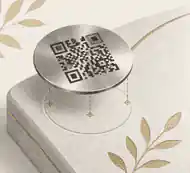
There are four common ways to attach a medallion to a plaque: pressure-sensitive outdoor adhesive, liquid construction adhesive, mechanical fixing and recessed inlay. Each has a place, and none is automatically best. Adhesive is the least invasive and often the easiest to approve, but only when the surface is flat, clean, dry and compatible. Mechanical fixing can be more secure, but it may require drilling, approved tradespeople and cemetery consent. Recessed inlay can look integrated and reduce exposed edges, but it is a stonework task rather than a family installation job.
Adhesive mounting works best on smooth, stable materials such as polished granite, sealed metal, some ceramic plaques and prepared indoor display surfaces. It works poorly on powdering stone, rough-sawn granite, damp marble, heavily textured bronze, loose paint, friable concrete, oily surfaces or anything already flaking. The surface has to be cleaned without harming the memorial. The US National Park Service’s grave marker cleaning guidance is a valuable warning: older grave markers should be handled gently, and unstable surfaces should not be aggressively cleaned, scraped or altered.
For tape-based systems, follow the manufacturer’s application rules rather than guessing. 3M’s VHB tape application guidance emphasizes surface preparation, cleaning, pressure and correct application. In memorial terms, that means no installation in rain, no attaching to a cold damp stone on impulse, no pressing with fingertips only, and no moving the medallion repeatedly after first contact. Many pressure-sensitive adhesives build strength over time, so the medallion should be protected from water, handling and cleaning while it cures.
Liquid construction adhesive may help where a tape does not conform well, but it introduces other risks: squeeze-out, staining, uneven thickness, chemical incompatibility and difficult removal. Do not use it on heritage stone, porous marble or cemetery property unless the cemetery and product instructions support it. For a public cemetery plaque, a family should usually ask whether a monument mason or approved contractor should install the medallion instead.
Mechanical fixing uses screws, pins, rivets, studs or concealed hardware. It is stronger against impact and theft, and it can suit larger bronze or stainless medallions. The problem is that drilling into stone or a cemetery plaque is a permanent alteration. It can crack weak stone, breach cemetery rules, void a supplier warranty or interfere with future inscription work. Use mechanical fixing only after the cemetery approves the method and a qualified installer confirms that the plaque can take it.
Recessed inlay is often the most integrated physical result. The medallion sits flush or near-flush with the larger plaque, reducing exposed edges that catch water, fingers, cleaning cloths or mower debris. It is best planned before a new plaque is made, although some monument professionals can retrofit an inlay where the existing memorial is suitable. The trade-off is cost, time and lower flexibility if the medallion ever needs replacement.
Prepare the QR destination before installation day
If the medallion contains a QR code, do not treat the code as a decoration that can be sorted out later. The physical medallion and the digital destination must be ready together. Before installation, create or confirm the memorial page, test the URL, decide privacy settings, check contributor access, and scan the medallion from several phones. Families often find that the way headstone QR codes are usually scanned is simple for visitors, but only when the page behind the scan has already been checked.
The best QR destination is stable, controlled by the family or trusted organizer, and able to be updated without replacing the physical medallion. A static code that points directly to a page which later moves can leave a perfectly intact medallion leading nowhere. Evaheld Memorials explains the practical value of updating QR memorial content over time, because families often add photographs, stories, service details and tributes after the first version is published.
Before the medallion is fixed, decide what the first visitor should see. A QR memorial might link to a life story, photographs, service details, recorded voice memories, tributes, donation information or a private page for invited family. Evaheld Memorials describes the kinds of content a memorial QR code can open, which helps families think beyond a short obituary. The point is not to make the plaque busier; it is to let the small medallion open something fuller, calmer and more useful.
Privacy should be settled before public placement. A QR medallion in a cemetery can be scanned by anyone who can physically reach it, but the linked memorial page may still have privacy or contribution controls depending on the platform and plan. If the family needs a draft period, a smaller audience or review before contributions appear, confirm whether your memorial can stay private until you are ready to share before the medallion is installed.
That need for a fuller story is easy to understand when looking at public memorial examples. A short plaque can name a person and mark dates, while digital memorials for Olivia Newton-John, Sridevi and Tina Turner can hold biography, photographs and public tribute context that would never fit on metal or stone.
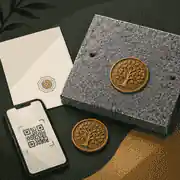
Choose a position that is respectful, scannable and maintainable
Placement should feel quiet and intentional. The lower right or lower left area of an upright plaque or headstone often works because it avoids the main inscription and is within easy scanning distance. A niche door may need a centered or corner placement depending on existing lettering. A memorial bench plaque may need a side or lower area that avoids hands, rain channels and cleaning wear. Evaheld Memorials gives more detailed placement considerations in where a QR code can be placed on a headstone.
Test before committing. Hold the medallion in the proposed spot with removable tape or by hand, then scan it from where a visitor would naturally stand. Try bright sun, shade if available, and more than one phone. Check whether flowers, vases, railings, curbs, neighboring plots, lawn edges or plantings would force visitors into an awkward position. A medallion that scans only when someone kneels in wet grass is not well placed.
Keep the medallion away from edges, corners, water pooling, grass clipping splashback and areas likely to be hit by maintenance equipment. Leave enough clear space around the QR code. Do not place a code across a joint, curve, rough texture, raised lettering or decorative carving. If the medallion includes both a code and text, keep the code uncluttered and let the plaque or digital page carry the longer wording.
Use a careful adhesive sequence only when it is allowed
Only use this sequence where adhesive installation is permitted and the plaque maker says the surface is suitable. If the cemetery requires a mason, stop and book the mason. If the plaque is old, cracked, powdering, loose, historically sensitive or damp, stop and ask a professional. Good installation is patient. It should never feel like something being done quickly in a parking lot before a service.
- Confirm approval in writing where the cemetery, crematorium, churchyard or memorial garden requires it.
- Check the medallion proof, spelling, dates, QR code, destination URL and privacy settings before leaving home.
- Visit the site with a phone and test mobile reception, glare and scan angle.
- Choose a flat, clean, dry placement that does not cover lettering, symbols, future inscription space or maintenance access.
- Clean gently according to the plaque maker’s instructions and the condition of the memorial. Do not bleach, pressure-wash or scrape old stone.
- Let the surface dry fully. Moisture trapped under adhesive is one of the common reasons a medallion fails.
- Dry-fit the medallion and scan the QR code again before peeling any backing.
- Apply the medallion once, squarely and calmly. Avoid repositioning after contact.
- Press evenly for the time and pressure recommended by the adhesive maker.
- Protect the area during the initial cure period, then scan again after installation.
For rough, vertical, porous or exposed surfaces, adhesive alone may not be enough. A mechanically mounted medallion, professional inlay or separate approved plaque may be the more durable answer. If the family is uncertain, the better choice is to pause and ask the cemetery, plaque maker or monument professional before any permanent step.
Check size, thickness and visual fit before ordering
A medallion should look like part of the memorial, not like a later object competing with the name and dates. Size is partly practical: a QR code must be large enough to scan, and a text medallion must be readable without crowding. It is also emotional and visual. Families may prefer a very small marker, but if the code becomes too small, too reflective or too close to the edge, visitors may struggle to use it. Conversely, a large high-contrast square can feel intrusive on a traditional stone, especially in a churchyard or heritage section.
Thickness matters because raised edges catch water, cleaning cloths and casual contact. A thick medallion may be easier to grip if removal is ever needed, but it can also look less integrated and may be more vulnerable to knocks. A thin medallion can look quieter, yet it still needs enough structural strength to resist bending, curling or edge lift. If the plaque will sit in a lawn cemetery, ask whether the cemetery has rules about projections from the memorial surface. If it will sit on a niche wall, ask whether thickness limits apply so neighboring covers remain uniform.
Color and finish should be chosen around contrast and restraint. Black code on brushed stainless steel, dark ceramic on a pale ground, or etched dark infill on a stable metal can work well. Avoid mirror-finish metal behind a code because glare can reduce scan reliability. Avoid decorative patterns inside the code area, even if they look attractive in a proof. The code is functional, and a respectful design lets it do that job clearly.
Plan for Australia, the United Kingdom and the United States
The countries covered here share a practical rule: the cemetery or memorial authority controls what can be attached on its grounds. The difference is where that authority sits. In Australia, many cemeteries are operated by trusts, councils, state-regulated cemetery bodies or private memorial parks. Ask for the local application process, the rights holder requirement, the approved installer list and whether QR plaques are treated as a monument alteration or an accessory.
In the United Kingdom, the answer can differ sharply between a local authority cemetery, private cemetery, crematorium garden and Church of England churchyard. Some churchyard rules are stricter about contemporary additions, visual appearance and inscriptions. A family may need to work through the person who holds the grave rights, a funeral director, a memorial mason or the parish authority. The most important step is to ask the exact site rather than relying on a general answer about QR codes online.
In the United States, cemetery rules are often set by private cemetery operators, municipalities, religious cemeteries, state veterans cemeteries or the National Cemetery Administration where federal veterans benefits apply. If a funeral home, cemetery or monument company is selling the medallion as part of a wider package, ask for itemized prices and installation terms in writing. If a veteran’s commemorative plaque or urn benefit may be involved, confirm eligibility and consequences before purchasing anything separately.
Prevent the failures families most often discover too late
The most common mistake is buying the medallion before checking cemetery rules. A family may choose the right material and still be told to remove it because the size, color, installer or method was not approved. The second mistake is using indoor craft adhesive, general household glue or thin double-sided tape in an outdoor memorial environment. These products may fail under heat, rain, frost or cleaning.
The third mistake is attaching to a dirty, damp or unstable surface. Dust, lichen, polish residue, old sealant, biological growth and mineral deposits all interfere with bonding. The fourth is placing the medallion where it will be hard to scan: too low, too reflective, too close to an edge, too small, too crowded or in constant glare. The fifth is forgetting the digital side. If no one can update the page, export memories, manage privacy or preserve access, the medallion can outlast the memorial it was meant to open.
Damage planning is part of responsible setup. Even a good medallion can be scratched, loosened, stolen, affected by cleaning products or hit during maintenance. Evaheld Memorials guidance on replacing a damaged QR memorial plaque is worth considering before anything goes wrong, because families should know whether the same memorial link can be preserved on a replacement piece.
Record the setup so the family can manage it later
After the medallion is attached, keep a simple record in one place: cemetery approval, supplier details, order proof, material, fixing method, adhesive or hardware used, installation date, exact memorial URL, account owner, backup contact and replacement instructions. If a QR code points to an Evaheld Memorials page, also record who can manage the memorial, who can contribute memories, and which privacy setting the family chose.
Families choosing a physical QR plaque should also confirm which plan includes the hardware and digital features they need. what is included in the Memorial Plaque & Tribute plan explains the relationship between QR memorial plaques, a direct memorial link, placement suitability and the digital tools that sit behind the scan.
The plain answer is this: attach a medallion to a plaque only after the place, material, surface and digital setup have all been checked. When the cemetery says yes, the surface is sound, the medallion is weather-ready, the QR code scans easily and the memorial page can be managed over time, the result can be dignified, practical and lasting. For families ready to connect a physical marker to a shareable tribute, Evaheld Memorials can help you attach a medallion to a plaque as part of a broader remembrance plan.

FAQs
How do I attach a medallion to a plaque? Cemetery checks, materials and setup
Start by asking the cemetery or memorial authority whether the medallion is allowed, then confirm the plaque material, surface condition, fixing method and QR destination before installation. A smooth approved surface may suit outdoor adhesive, while rough stone, public cemetery plaques or permanent work may need a stonemason; Evaheld’s cemetery rules for QR codes explains the permission side, and the FTC Funeral Rule information is useful when memorial products are sold during funeral arrangements.
Can I use adhesive to attach a medallion outdoors?
Yes, but only if the cemetery permits it, the surface is flat and stable, and the adhesive is rated for the material and outdoor conditions. For preparation, adding a QR code to an existing headstone covers the same surface checks, while 3M VHB tape application guidance explains why cleaning, pressure and correct application matter.
Which medallion material lasts best on a cemetery plaque?
Stainless steel is often the safest outdoor choice because it resists corrosion and can hold a clear etched or laser-marked code, while ceramic and bronze may suit more traditional designs if contrast and impact risk are managed. Evaheld’s the best materials for QR memorial plaques compares the options, and the Bureau of Meteorology climate information shows why real weather exposure should shape material choice.
Where should a QR medallion sit on a plaque?
Place it where visitors can scan comfortably without covering inscriptions, standing on another grave, crouching into wet grass or fighting glare. Evaheld’s where a QR code can be placed on a headstone explains respectful positioning, while GS1’s 2D barcode implementation guideline supports the need for clear space, contrast and low reflectance.
Do visitors need an app to scan a QR memorial medallion?
Usually no; most modern smartphones can scan a QR code through the camera or built-in scanner, provided the code is clear and the visitor has internet access. Evaheld’s the way headstone QR codes are usually scanned explains the visitor experience, and Apple’s scanning a QR code with an iPhone or iPad instructions confirm the basic camera workflow.
Can the memorial page behind a QR medallion be updated later?
Often yes, if the QR code points to an editable memorial page rather than a fixed page that cannot be managed. Evaheld’s updating QR memorial content over time explains how the digital side can grow, while Google’s scanning QR codes with Camera from Google shows why the physical scan should open a browser destination reliably.
What should a QR memorial medallion link to?
It can link to a memorial page with a life story, photos, tributes, service details, voice recordings, videos and family-approved updates. Evaheld’s the kinds of content a memorial QR code can open gives practical ideas, and DENSO WAVE’s history of the QR Code helps explain why a small code can carry people to much richer digital content.
Can a QR memorial stay private if the medallion is visible?
The physical code may be visible to visitors, but the linked memorial can still use privacy or contribution controls depending on the platform and plan. Evaheld explains whether your memorial can stay private until you are ready to share, and the UK’s Funerals Market Investigation Order 2021 reinforces the wider value of clear choices in funeral-related services.
What happens if the QR medallion is damaged?
First test whether the code still scans, then clean gently if appropriate, photograph the damage and contact the supplier or cemetery before removing anything. Evaheld’s replacing a damaged QR memorial plaque explains replacement planning, while the National Park Service’s grave marker cleaning guidance cautions against harsh treatment of memorial surfaces.
Which Evaheld plan includes QR memorial plaques?
The Memorial Plaque & Tribute plan is the first Evaheld Memorials option that includes QR memorial plaques, and the Funeral Tribute Memorial plan includes them as part of a broader package. The detailed inclusions are covered in what is included in the Memorial Plaque & Tribute plan, while the ACCC funeral services guidance is useful context for comparing costs and inclusions carefully.