What are pet grave plaques in Australia? Pet tribute ideas, wording and memories
A practical Australian guide to pet grave plaques, tribute wording, garden stones, QR memorials, rules, materials and lasting pet memories.

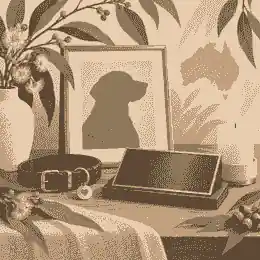
What are pet grave plaques in Australia? Pet tribute ideas, wording and memories are best understood as the small, durable markers families place at a pet grave, garden resting place, ashes area, memorial pot, bench or indoor tribute to identify a beloved animal and keep their story visible. In practice, pet grave plaques in australia may be engraved metal plates, stone markers, ceramic tablets, timber signs, QR-linked plaques or garden stones, and the best choice depends on location, weather, wording space, privacy, budget, local rules and the memories your family wants visitors to find.
Many people begin by searching for pet memorials, garden stones and pet loss because they want something tangible after a dog, cat, bird, rabbit, horse or other companion animal dies. A plaque can help because it gives the relationship a fixed place: a name, a date, a short line, sometimes a paw print, and increasingly a link to photographs, stories, videos and tributes. It should not be treated as a purchase made in haste. The words and material will sit in a real environment for years, so the calmest approach is to decide where the plaque will live, what it must say, what can live elsewhere, and whether a digital memorial should carry the memories that will not fit on the surface.
Pet grave plaques in Australia: what they usually are
A pet grave plaque is a memorial marker, not always a headstone. In Australia it might sit flat in a lawn, attach to a timber sleeper, rest in a garden bed, mark a cremation-ashes spot, mount to a memorial bench, or sit beside an urn indoors. The words grave, marker, plaque, stone and memorial are often used loosely, but there are practical differences. A plaque is usually thinner and attached to another surface. A marker may be freestanding or flush with the ground. A headstone is more formal and upright. A garden stone is often decorative and personal rather than cemetery-regulated.
Before choosing the object, decide the setting. A private backyard gives more design freedom, although Australian households should still think about drainage, future property moves, rental restrictions, digging safety and whether the resting place may be disturbed by other animals. A pet cemetery or council-managed site is different: rules can govern size, materials, flower holders, installation and maintenance. Even human cemetery rules show how specific cemetery authorities can be; Brisbane City Council, for example, explains that lawn graves use bronze plaques on granite or concrete bases and restricts objects such as glass, metal containers, pot plants and solar lights in certain lawn burial areas through its cemetery fees and burial options. Pet cemeteries and memorial gardens can set their own equivalent conditions, so families should ask before ordering.
The Australian legal picture is also local rather than one simple national rule. The Victorian Government’s reuniting lost pets legislation shows how state systems can regulate what happens when a deceased pet is found on council land, including reasonable steps to check identification and notify owners. That is not a backyard-burial rule, but it illustrates why local law, council practice and identification details matter. For large animals, unusual disease circumstances or rural properties, the practical and biosecurity issues become more serious. Agriculture Victoria’s guidance on safe disposal of dead stock is aimed at livestock rather than domestic pets, yet its emphasis on groundwater, biosecurity and appropriate siting is a useful warning against treating burial as purely sentimental.
Materials: what lasts outdoors and what suits the setting
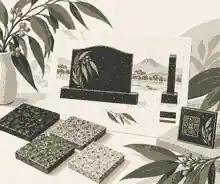
The most common materials for pet grave plaques in Australia are engraved stainless steel, brass, bronze, aluminium, slate, granite, sandstone, ceramic and treated timber. Each has trade-offs. Stainless steel is restrained, modern and generally corrosion-resistant. Brass and bronze can look warm and traditional, but they may darken or develop patina. Aluminium is lighter and often cheaper, although finish quality matters. Granite and slate suit garden stones and formal markers because they cope well outdoors when properly finished. Sandstone looks natural in Australian gardens but can be softer and more absorbent. Ceramic can hold colour and portraits, but it must be designed for outdoor use and installed carefully. Timber can feel gentle and natural, but even treated wood changes faster than metal or stone.
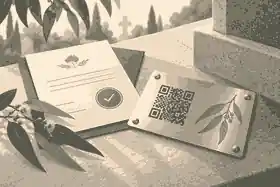
If the plaque will carry a QR code, material choice becomes more technical. Contrast, surface finish, size and angle affect scan reliability. Families comparing the best materials for QR memorial plaques should prioritise a code that remains readable after rain, sun, dust, cleaning and years of minor wear. A beautiful mirror finish may produce glare. A rough stone may interrupt small code modules. A very small plaque may force the code and wording to compete. For most outdoor settings, a simple, high-contrast design usually outlasts a highly decorative one.
Cleaning plans should also influence material choice. The US National Park Service advises that grave-marker cleaning should aim to avoid harm and warns against wire brushes, power washers and harsh cleaners such as bleach in its grave marker cleaning guidance. The National Trust of Australia (NSW) makes similar conservation points in its cemetery conservation guide, including cautions about strong bleach and inappropriate cleaning products. A family pet plaque is not always a heritage monument, but the care principle is still useful: choose a material you can maintain gently rather than one that needs aggressive cleaning to stay legible.
Where the plaque can go
The plaque’s location should be chosen before the wording. A grave marker in a pet cemetery needs enough restraint to satisfy the site’s rules. A garden plaque can be more personal, but it must survive weather, irrigation, mower lines, pets, children and soil movement. An ashes memorial may sit with an urn, beside a planted tree, in a pot, or near a favourite resting spot. A bench plaque needs permission from the landowner or cemetery and should be attached in a way that does not damage the bench or create sharp edges. If a QR code is involved, place it where visitors can safely stand, focus their phone and scan without stepping on plantings or leaning into traffic.
Cemetery and public-place approval is especially important for QR plaques. Some sites allow them, some allow only certain plaque styles, and some may reject anything that looks visually intrusive. Families can reduce frustration by checking cemetery rules for QR codes before commissioning a marker. Ask whether the site permits attached plaques, whether adhesive is allowed, whether screws must be installed by a stonemason, whether the code must sit flush, and whether the linked page content creates any policy concern.
For United Kingdom readers, the rule framework differs. GOV.UK states in its fallen stock and safe disposal guidance that pet animals may be buried, while separate Environment Agency guidance on animal burials and groundwater pollution explains that small domestic pet home burials are treated differently from larger animal burials. That does not override tenancy agreements, cemetery rules or local environmental concerns. For United States readers, pet burial rules vary by state, county and municipality, and many families use pet cemeteries or cremation providers because those providers can explain local requirements. Across all three countries, the safest rule is the same: check the property, council, cemetery or provider before you make a permanent marker.
What to put on a pet grave plaque
A plaque has limited space, so the wording should do one job well. The essential layout is usually name, dates or years, and one short line. Many families add a species, breed, paw print, small symbol, nickname or brief phrase. If the pet’s exact birth date is unknown, use years, an adoption date, a gotcha day or no date at all. Accuracy matters more than formality.
Good wording is usually specific rather than grand. “Milo, 2012-2026, our beach-walk boy” says more than a borrowed line that could belong to any dog. “Poppy, queen of the windowsill” may hold a cat better than a formal epitaph. “Ruby, steady hooves and a gentle heart” might suit a horse. “Peanut, tiny bird, huge voice” may be enough for a budgie. You can still use classic lines such as “Always loved” or “Forever in our hearts”, but try to pair them with one detail that belonged only to that animal.
If children are involved, let them contribute one small truth rather than asking them to produce polished memorial language. Cornell University’s pet loss resources and support note that children may benefit from being part of memorialising a pet through drawing, writing stories or sharing memories. A child’s wording may be direct: “Thank you for sleeping near my bed.” That sentence might not fit on a plaque, but it can shape the digital tribute or memory book behind it.
For families who want more than a few engraved words, a QR-linked tribute can separate the physical marker from the fuller story. Start by understanding what a QR memorial is in practice: a scannable code on a plaque, stone or keepsake opens a digital page. The physical plaque remains simple and weatherproof, while the page can hold photographs, videos, stories, voice notes, adoption memories, farewell messages, and later anniversary updates. That approach is especially helpful for pets because so much of the relationship lives in small daily routines, not formal biography.
What cannot fit, and where those memories should go
The main mistake with pet grave plaques is trying to make a small object carry the whole relationship. A plaque cannot hold every nickname, every funny habit, every rescue story, every medical journey, every holiday photo or every message from the people who loved the animal. If you force too much onto the surface, the result becomes crowded, harder to read and less durable.
Use the plaque for identification and emotional focus. Use a memory page, album, box, journal or printed book for the rest. The fuller tribute might include how the pet came into the family, favourite places, routines, sounds, toys, foods, quirks, photos with each family member, and messages from the vet, groomer, dog walker, neighbours or friends. Evaheld’s explanation of what a QR memorial can actually link to is useful when deciding what belongs beyond the engraved surface.
That split also protects privacy. A garden plaque visible to neighbours may not be the right place for every detail of a child’s grief, a family conflict, or the circumstances of death. A digital memorial can be kept private, shared selectively, or made public depending on the family’s needs. If the plaque is physically visible but the linked page should not be open to everyone, compare private versus public QR memorials before installation. Public visibility and digital access are related, but they are not the same decision.
Pet tribute ideas that work beside a plaque
A plaque is often one part of a wider remembrance. For a dog, the tribute might include walking their favourite route each year, keeping the lead on a hook near the plaque, donating to the rescue that introduced you, or adding a photo from their best muddy day. For a cat, it might be a windowsill photo, a small indoor memorial corner, a plant near their sunny spot, or a digital album of sleeping places. For a horse, it may be a stable plaque, mane keepsake, ribbon display, paddock tree or story collection from riders and carers. For birds, rabbits and smaller companions, a pot, small stone, framed photo and carefully written paragraph may feel more fitting than a large marker.
Cornell lists practical memorial ideas such as engraved rocks, treasured items, flowers or trees, written memories, scrapbooks, letters, tags and donations. The American Animal Hospital Association also notes, in its end-of-life care guidance for dogs and cats, that families may memorialise pets through letters, photo albums, journals, memorial trees, jewellery or keepsakes. These ideas matter because they give grief different forms. Some people want a place to visit. Some want something to hold. Some need words. Some need a ritual that repeats quietly.
Support can also be part of remembrance. The Association for Pet Loss and Bereavement offers grief support, chat options and pet memorial services through its pet loss support organisation. The American Veterinary Medical Association’s pet loss and grief brochure also recognises that mourning a pet can involve real grief and a need for support. A plaque may help give grief a place, but it should not be the only support if someone is struggling to sleep, function, work or feel safe.
Planning the wording step by step
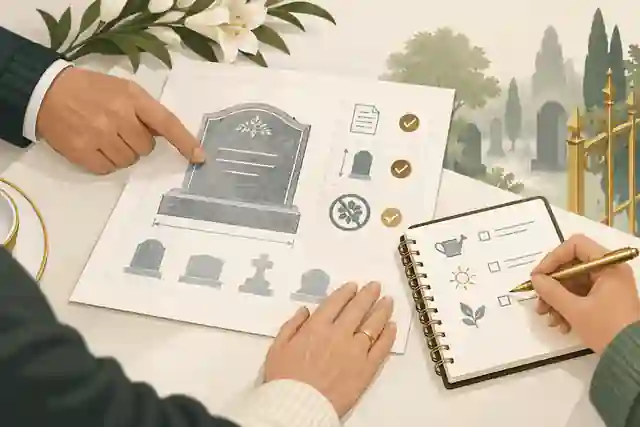
Begin with four decisions. First, choose the display name. This might be the pet’s everyday name rather than a registered or show name. Second, decide dates: full dates, years, adoption date, gotcha day, or no dates. Third, choose one emotional line. Fourth, decide whether the plaque needs a QR code or whether the digital tribute will be shared separately.
Then test the wording in the actual space. A line that looks elegant on a screen may be too small on a plaque. Read it aloud. Ask whether it sounds like your pet. Remove anything included only because memorial wording is expected to sound formal. The best pet plaque wording often sounds like something the family would genuinely say at home.
Examples can help, but they should be adapted:
“Molly, 2011-2025, our beach-walk girl.”
“Oscar, rescued and deeply loved.”
“Luna, queen of the windowsill.”
“Banjo, loyal shadow, muddy paws.”
“Bella, small paws, steady comfort.”
“Charlie, always first to the gate.”
“Misty, gentle friend of the paddock.”
“Sunny, tiny bird, morning song.”
If the plaque links to a digital memorial, the engraved words can stay even shorter. The page can explain the adoption story, personality, photographs and messages. It can also change later. Families who expect to add memories over time should understand updating QR memorial content over time before approving the plaque proof. Ideally, the physical code should point to a stable page that can be edited without replacing the plaque.
Australia, the UK and the United States: what changes
Australian readers should treat this as a local-council and site-permission question. Rules differ by council, cemetery, pet cemetery, rental agreement and property type. Biosecurity concerns may apply after disease events or where larger animals are involved. The Department of Agriculture, Fisheries and Forestry’s public guidance on disposal of dead wildlife is not a domestic pet burial manual, but it shows why carcass handling, disease risk, other animals and environmental protection must be taken seriously. If there is any doubt, ask your vet, council, cremation provider or pet cemetery before burial or installation.
United Kingdom readers should distinguish small domestic pets from farmed animals and larger pet animals. GOV.UK guidance recognises that pet animals may be buried, but groundwater, ownership and local restrictions still matter. United States readers face state and local variation; pet cemeteries, veterinary clinics and municipal authorities are usually the practical first checks. Across markets, the same common-sense rules apply: do not bury near waterways or services, do not install a marker on land you do not control without permission, and do not assume cemetery approval just because a plaque supplier can make the item.
How to choose the right plaque supplier
Ask practical questions before comparing designs. What material is the plaque? Is it rated for outdoor use? How is the lettering made: engraved, etched, printed, cast or applied? If there is a QR code, has it been tested after proofing? Can the digital destination be updated without changing the code? What size will the finished text be? What fixings are supplied? Who installs it? What maintenance is recommended? What happens if it arrives with an error? What proofing process protects names and dates?
For QR plaques, future planning is as important as design. Families should consider how long QR memorials usually last, because a durable metal plate is only one half of the memorial. The linked page, hosting, privacy controls, backups and ability to update matter just as much as the physical object. A QR plaque that links to a page the family can keep shaping is more useful than a code that opens a fixed, thin record.
When choosing a memorial product, do not let grief rush the proofing step. Check the pet’s name, dates, punctuation, spelling of nicknames, breed references, and whether the line feels right. If two family members disagree, pause. Plaque wording becomes emotionally significant once installed, and a slower decision is often kinder than a quick correction.
How notable memorials can guide personal choices
Public memorials remind us that remembrance works best when it preserves character, not just facts. The Evaheld Memorials profile for Steve Irwin shows how an animal-focused life can be remembered through work, family and enduring care for wildlife. Olivia Newton-John is remembered not only for performance but also for compassion, advocacy and animal causes. Queen Elizabeth II is often publicly associated with lifelong love of horses and dogs as well as service and duty. Pet plaques do not need the scale of public memorials, but they can use the same principle: choose details that reveal relationship and character.
A practical checklist before ordering
Before you order, confirm the location, permission, material, size, wording, installation method, maintenance plan and digital destination. Decide whether the plaque is for a grave, ashes site, garden, pot, bench, urn or indoor display. Ask the cemetery or council if approval is needed. Choose a material that fits weather, soil, irrigation and visibility. Keep the wording readable. If using a QR code, test it from the distance and angle visitors will use. Decide who controls the linked page. Keep a private copy of the wording and images. Photograph the installed plaque for family records.
If you are creating a digital tribute alongside the plaque, gather the essentials first: name, dates if known, favourite photo, species or breed if meaningful, one or two personality details, and a few memories. Evaheld’s guidance on what information you need to start a memorial can make that first step feel smaller. If friends, family, neighbours, walkers, stable staff or veterinary staff may want to contribute, it also helps to understand how people can leave tributes and condolences on a memorial.
For families who want the physical plaque and the digital remembrance to work together, check which plan includes QR memorial plaques before ordering anything from a separate supplier. The right setup is one where the grave plaque stays simple, the online tribute holds the memories, and the family can keep both accurate over time.
A pet grave plaque does not need to say everything. It needs to say enough, clearly and truthfully, in a place where love can be revisited. When you are ready to connect a physical marker with a shared remembrance space, Evaheld Memorials can help you begin pet grave plaques in australia with a calm digital tribute that keeps stories, photos and messages together.

FAQs
What are pet grave plaques in Australia? Pet tribute ideas, wording and memories
Pet grave plaques in Australia are small memorial markers placed at a pet grave, garden tribute, ashes spot, urn area or indoor remembrance space, usually carrying a pet’s name, dates and a short line of wording. A fuller tribute can sit beside the plaque through what a QR memorial is in practice, while Cornell’s pet loss resources explain why memorialising a pet can be a healthy part of grief.
What should I write on a pet grave plaque?
Write the pet’s everyday name, dates or years if you want them, and one specific phrase that sounds true to the animal, such as a favourite place, habit or nickname. If the story is too long for engraving, what a QR memorial can actually link to can hold photos and stories, and the AAHA’s end-of-life care guidance recognises photo albums, journals and memorial trees as common remembrance choices.
Can I put a pet grave plaque in my garden in Australia?
Often a private garden gives more freedom than a cemetery, but you should check council expectations, tenancy limits, drainage, underground services and whether future owners may disturb the site. Before planning a permanent marker, cemetery rules for QR codes shows why permission matters, and Agriculture Victoria’s safe disposal guidance explains environmental and biosecurity concerns for animal carcass disposal.
What material is best for an outdoor pet memorial plaque?
Stainless steel, bronze, brass, granite, slate and outdoor-rated ceramic are common choices, but the best material depends on weather, placement, budget, appearance and whether a QR code must remain scannable. Families comparing the best materials for QR memorial plaques should also follow the National Park Service’s grave marker cleaning guidance by avoiding harsh cleaning methods.
Can a pet grave plaque include a QR code?
Yes, a pet grave plaque can include a QR code if the design is readable, the site allows it and the linked page is controlled by the family. It is worth checking which plan includes QR memorial plaques, while GOV.UK’s animal burial groundwater guidance is a reminder that the physical setting still needs practical care.
How long does a QR pet memorial plaque last?
The plaque lasts only as well as both parts last: the outdoor material and the digital destination. A durable code should be paired with an editable, well-supported memorial page, so how long QR memorials usually last is a useful planning step, and the National Trust of Australia’s cemetery conservation guide reinforces gentle maintenance principles.
Should a pet memorial be public or private?
A public tribute may suit a pet known by neighbours, classmates, stable friends or a wider community, while a private page may be better for children, early grief or sensitive circumstances. Comparing private versus public QR memorials can help, and the APLB’s pet loss support organisation shows that different people need different kinds of grief support.
Can guests add memories to a pet memorial?
Yes, if the memorial platform allows contributions, family members, friends, neighbours, walkers or veterinary staff can add short messages, photographs and memories. Evaheld explains how people can leave tributes and condolences on a memorial, while Cornell’s pet loss resources encourage sharing memories as part of memorialising a pet.
Can I update the memorial after the plaque is installed?
If the QR code points to an editable page, the digital tribute can usually be updated without changing the physical plaque. Planning updating QR memorial content over time before installation is sensible, and the AVMA’s pet loss and grief brochure supports the idea that remembrance can continue as grief changes.
What information do I need before creating a pet memorial?
Start with the pet’s name, dates or approximate years if known, favourite photo, species or breed if meaningful, and a few memory cues such as routines, favourite places or quirks. Evaheld’s what information you need to start a memorial can help structure the first version, while the Australian Department of Agriculture’s dead wildlife disposal guidance is a reminder to handle animal remains safely when disease or wildlife concerns may apply.