What are short poems for a grandmother's funeral? Wording, structure and examples
A compassionate guide to choosing, writing and using short poems for a grandmother's funeral, with original examples, copyright cautions and AU/UK/US planning notes.
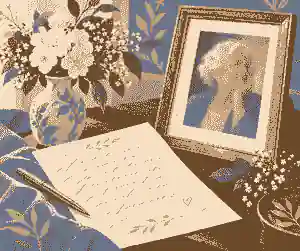
What are short poems for a grandmother's funeral? Wording, structure and examples are the practical choices families use when they need a brief reading, an obituary line, eulogies, tributes or a memorial-card message that honours a grandmother without asking one paragraph to hold an entire life.
A short funeral poem for a grandmother is usually four to twelve lines, or a compact prose-poem paragraph, shaped around one clear feeling: gratitude, comfort, faith, legacy, humour, everyday love or farewell. The best ones do not try to describe everything. They name one recognisable truth about her and leave space for the family to feel the rest.
How to choose short poems for a grandmother's funeral
Start with the role the poem must play. A poem read at the lectern needs different wording from a line printed on an order of service, a graveside note, a headstone inscription or a private family post. The Academy of American Poets curates poems for funerals across classic, modern and contemporary styles, which is useful because it shows how wide the emotional range can be: solemn, grateful, plain-spoken, hopeful or reflective.
For a grandmother, the most useful question is not whether the poem sounds impressive. It is whether someone who knew her would recognise the emotional centre. Was she the person who held the family together, the one who made children feel safe, the gardener, the storyteller, the faith-filled matriarch, the sharp wit, the practical helper, the quiet listener or the person whose kitchen table became the family meeting place? That one answer can guide the tone.
If you are also writing spoken remarks, memorial tribute writing support can help you build the poem around specific memories rather than vague praise. A poem does not need to say that she was loved by everyone. It can show love through one detail: her hands flour-dusted from baking, the cardigan kept on the back of a chair, the birthday cards she never forgot, the phrase she used whenever a grandchild worried.
Short poems work especially well because grief can make attention fragile. The NHS notes in its grief and bereavement guidance that grief can affect feelings, behaviour and daily functioning. A concise reading gives mourners something they can follow even when emotions are high.
What a short grandmother funeral poem should include
A strong short poem usually has three parts: a first line that names the relationship or feeling, a middle image that makes the grandmother specific, and a final line that gives the family somewhere to rest. That final movement might be farewell, gratitude, continuing love, faith, legacy or a quiet promise to remember.
For example, a non-rhyming structure might be: opening line, one concrete memory, one quality, one legacy line. A rhyming structure might use two couplets with a simple rhythm. A prose-poem structure might be one short paragraph printed as four soft lines. None is automatically better. The choice depends on the reader's voice, the service style and how formal the family wants the moment to feel.
When the poem will sit beside a eulogy, keep it lean. writing a eulogy with examples is usually the better place for the full life story. The poem can open or close the eulogy by giving listeners a simple emotional frame before the speaker moves into memories, dates, relationships and stories.
If the poem will support an obituary, choose wording that does not repeat the obituary. life story obituary examples are built around facts, family relationships and meaningful chapters. A funeral poem can add a more personal note, such as the family value she passed on or the ordinary gesture that made her presence felt.
Original short poem examples for a grandmother
Use these original examples as starting points. Adjust names, family terms and details so the wording belongs to your grandmother rather than sounding like a generic memorial verse.
For a gentle grandmother:
Nan, your love was never loud,
but it filled every room we entered.
We carry your kindness in small habits now,
and find you there, still steadying us.
For a grandmother known for family meals:
At your table, everyone had a place.
There was always enough food,
enough listening,
and somehow enough love to take home.
For a faith-filled grandmother:
Grandma, you taught us to pray with patience,
to serve without needing praise,
and to trust that love does not end
when the room grows quiet.
For a grandmother with humour:
You left us recipes, stories
and a few opinions no one could soften.
We will miss your laugh most of all,
because it told us we were home.
For a great-grandmother:
Great-Gran, your years became our roots.
Your stories crossed generations,
and each child who heard them
now carries a branch of you forward.
For a private family reading:
We do not need many words today.
We have your hands in our memory,
your voice in our habits,
and your love in the way we care for one another.
For a memorial card:
In every story we retell,
in every kindness we repeat,
our grandmother remains with us,
quietly loved, deeply missed.
These examples are deliberately brief. They can be read in under a minute, printed clearly and adapted without losing their shape.
Classic and modern poem choices
Many families prefer to use a known poem rather than write a new one. That can be comforting, especially if the words have been read at other family services. The Academy of American Poets' page on poems for tragedy and grief is a useful reminder that poetry often steps in when ordinary language feels too thin.
For a grandmother's funeral, common themes include nature, continuing presence, gratitude, faith, memory, inheritance and peaceful rest. Nature poems suit a grandmother who loved gardens, walking, birds, sea air or seasonal rituals. Faith readings suit a service where prayer, scripture or church community mattered to her. Plain-spoken modern poems may suit a secular celebration of life where the family wants warmth without religious language.
Do not assume every famous poem is free to print or livestream. In Australia, the Attorney-General's Department explains that copyright protection covers poems and other literary works, and the Australian Copyright Act 1968 contains specific fair-dealing exceptions. In the UK, the Intellectual Property Office explains copyright exceptions, while in the United States the U.S. Copyright Office describes fair use and Cornell's Legal Information Institute publishes the text of 17 U.S. Code section 107. The practical point is simple: reading a poem privately, printing it in a funeral programme, posting it online and recording it in a livestream can be different uses. If a poem is still under copyright, ask the funeral director, celebrant, venue, publisher or rights holder what permission is needed.
Public-domain poetry can reduce permission pressure, but check the edition and wording. Some older poems are free to use, while a modern translation, arrangement or anthology note may not be. If in doubt, quote a very short excerpt with proper attribution and write your own surrounding tribute instead.
Where the poem fits in the service
A short poem can appear almost anywhere in a funeral or memorial service, but placement changes its effect. At the beginning, it gathers attention and gives the service a gentle emotional tone. Before the eulogy, it prepares people to listen. After the eulogy, it lets the room breathe. At the graveside or committal, it should be especially brief because weather, emotion and the physical setting can make long readings difficult.
If the service is hybrid or includes remote mourners, place the poem in the printed or digital order of service as well as reading it aloud. Families often combine poems with adding funeral details to a memorial page so that relatives can find service times, livestream links and the chosen reading in one place.
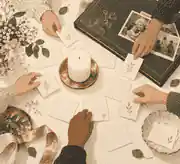
A celebration of life may use the poem less formally. It might be read beside a memory table, printed on cards, placed near photographs or shared before people tell stories. celebration of life ideas can help families decide whether the poem belongs in a structured ceremony, a memory-sharing circle, a slideshow or a quieter family gathering.
For secular services, avoid assuming religious language unless it reflects the grandmother's beliefs. A non-religious funeral service can still feel warm, reverent and deeply meaningful when the reading focuses on gratitude, character, family continuity and the life she actually lived.
Writing your own poem when nothing fits
If every existing poem feels too polished, too religious, too vague or too unlike her, write your own. Begin with a list of ten ordinary details. Do not start with rhyme. Write: what she cooked, what she watched, what she called people, what she worried about, what she celebrated, how her house sounded, how she showed care, what she taught without saying it directly.
Then choose one shape. A four-line poem is often enough: one line for who she was, one line for what she gave, one line for what you will keep, and one line of farewell. If you want rhyme, use it lightly. Forced rhyme can make a sincere poem feel artificial. Half-rhyme, repeated phrasing or a simple refrain often works better.
Families can also write collaboratively. One person might remember her gardening, another her faith, another her fierce loyalty. If you plan to gather these details online, invite family and friends to help build the memorial before the final wording is settled. That gives close relatives a way to contribute without forcing everyone to speak publicly at the funeral.
If several grandchildren want to be involved, give each one a single line. The result might be more honest than a single polished poem. Children and teenagers can add small details adults forget: the tin of biscuits, the blanket on the sofa, the song in the car, the way she waved from the door.
What to avoid
Avoid a poem that makes promises the family does not share, such as specific religious beliefs, reunion language or certainty about the afterlife, unless those words genuinely fit. Avoid humour that might wound people who are grieving differently. Avoid private family conflict, medical detail, disputed relationships or anything that turns the poem into an explanation of the death.
Also avoid making the poem do the job of the whole ceremony. If there are service details, charity links, photographs, life-story notes and family messages to organise, what to include on a memorial page can help separate practical information from emotional tribute. A poem becomes stronger when it is allowed to stay focused.
For headstones, plaques and memorial cards, test the line length. Short wording usually reads better, but a poem that looks beautiful on a page may become cramped on stone, metal or a small card. Ask the stonemason, printer or funeral director about character limits before committing.
Australian, UK and US differences families should know
The emotional work is similar across Australia, the United Kingdom and the United States, but practical rules differ. In Australia, funeral providers operate within Australian Consumer Law, and the ACCC's funeral services guidance explains that pricing, contracts and vulnerability protections matter when families are arranging a funeral. In the United States, the FTC's Funeral Rule gives consumers rights around selecting only the goods and services they want and receiving itemised price information. In the United Kingdom, GOV.UK's after a death guidance covers the first administrative steps after someone dies; US families can use USAGov's death of a loved one guidance for comparable federal starting points.
These sources do not choose your poem for you, but they help explain why timing and paperwork can feel different depending on where the family is arranging the service. If a poem must be printed, livestreamed or placed on a public memorial page, copyright and venue practice may also vary by country.
Using poems in online memorials and shared tributes
A funeral poem can live beyond the service. It can sit beside photographs, a life story, service details, condolence messages and later reflections. If relatives cannot attend, a shared memorial gives them somewhere to read the poem, respond to it and add memories in their own time.
When people want to respond after the service, messages on memorial pages can hold the small memories that do not fit into a formal ceremony. For more structured remembrance, families may also leave tributes and condolences around the poem so the grandmother is remembered through many voices rather than one reading alone.
Public memorial profiles can show how words, images and life stories sit together. The profile for Maya Angelou shows why a literary life often invites language of courage, witness and voice. The memorial for Leonard Cohen reflects how poetry, song and silence can shape remembrance. For a warm public example connected with Australian and UK audiences, Olivia Newton-John is remembered through music, care and cross-generational affection.
Literary choices can also be simple. A family might choose Shakespeare because the wording is familiar and public-domain editions are easier to source; the Academy of American Poets' page for Sonnet 116 is one example of a classic text that families sometimes adapt carefully for love, constancy and remembrance, though it is not specifically a funeral poem.
A practical selection checklist
Before finalising the poem, read it aloud slowly. If the reader cannot get through it, shorten it. If it sounds like any grandmother rather than this grandmother, add one specific detail. If it contains a belief the family does not share, choose a different poem. If it will be printed or livestreamed, check permission. If it will be shared online, decide whether the memorial should be public, private or limited to invited family.
When relatives disagree about wording, pause before trying to settle the whole poem in one conversation. It can help to separate tone from content: first decide whether the poem should be peaceful, grateful, humorous, religious, secular or plain-spoken, then choose the memories that support that tone. A family can also keep the public reading short and save more personal lines for a private card, a memory box or the online tribute. This approach respects different grief responses while still giving the service a clear, unified moment.
Ask these final questions: Does the poem sound like her? Is the tone right for the service? Can the reader speak it clearly? Will it still feel respectful in a year's time? Does it leave people with comfort rather than confusion? Is it short enough for the place it will be used?
When the poem is ready, keep a clean copy with the eulogy, obituary wording and service notes. That small act helps the family preserve not only the poem, but the memory of why it was chosen.
If your family needs a calm place to preserve the poem, service details and shared memories, Evaheld Memorials can help you begin with short poems for a grandmother's funeral and shape the tribute at your own pace.

FAQs
What are short poems for a grandmother's funeral? Wording, structure and examples
Short poems for a grandmother's funeral are brief readings, usually a few lines to one minute long, that express love, gratitude, memory or farewell. They work best when paired with memorial tribute writing support and checked against practical permission guidance such as the U.S. Copyright Office fair use guidance.
How long should a grandmother funeral poem be?
For most services, four to twelve lines is enough, especially if the poem sits beside a eulogy. If you need a longer spoken tribute, writing a eulogy with examples gives the fuller structure, while the NHS grief and bereavement guidance explains why simple steps can help while grieving.
Can I write my own poem for my grandmother's funeral?
Yes. Start with one vivid memory, one quality and one closing line of gratitude or farewell. life story obituary examples can help you find the right details, and the Academy of American Poets on tragedy and grief shows why poetry is often used when ordinary wording feels difficult.
What should I avoid in a funeral poem for a grandmother?
Avoid disputed family details, forced rhyme, private medical information, beliefs she did not hold and wording that sounds impressive but not true. what to include on a memorial page can help separate tribute from practical details, and UK copyright exceptions are worth checking before printing a protected poem.
Where should the poem appear in the funeral service?
A poem can open the service, introduce the eulogy, close the ceremony or be read at the graveside. If relatives need timings or livestream details too, adding funeral details to a memorial page keeps practical information together, while GOV.UK after a death guidance covers wider UK administrative steps.
Are famous funeral poems free to use?
Not always. Older works may be public domain, but many modern poems remain protected, especially for printing, recording or online sharing. Families can combine messages on memorial pages with original wording, and the Australian copyright basics explain why poems count as protected literary works.
What is a good non-religious poem for a grandmother?
A good non-religious poem focuses on memory, gratitude, character, nature or family continuity rather than heaven or prayer. A non-religious funeral service can still feel reverent, and the Academy of American Poets funeral poems collection includes secular and spiritual options.
How can grandchildren take part in reading a poem?
Give each grandchild one short line, or let one person read while others place flowers, photographs or a memory card. invite family and friends to help build the memorial if relatives want to contribute privately, and the FTC Funeral Rule is useful context for US families making wider funeral choices.
Can a poem be used on a memorial card or headstone?
Yes, but keep it short and check space, layout and permission before printing or engraving. celebration of life ideas can help you decide where the wording belongs, and the ACCC funeral services guidance reminds Australian families to ask clear questions about costs and inclusions.
How can we keep the poem after the funeral?
Keep the final poem with the eulogy, order of service, photographs and family messages so it remains part of the wider remembrance. Families can leave tributes and condolences around the poem, and USAGov death of a loved one guidance gives US families a practical starting point for related tasks.