What to Include in an Online Memorial Page
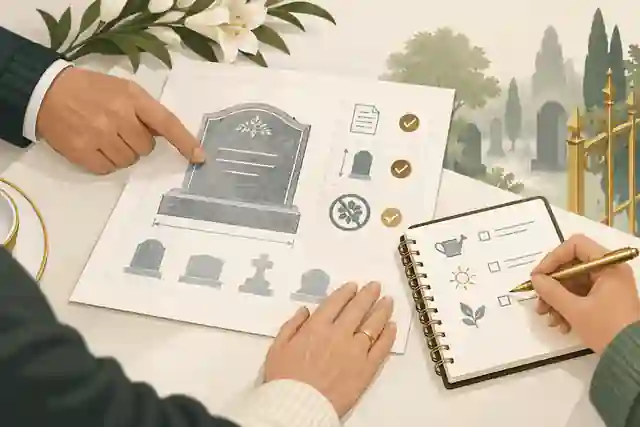
A thoughtful online memorial page usually includes a short life story, photographs, service information and space for tributes.
Last Updated: June 24, 2026
An online memorial page works best when it feels respectful, useful, and manageable. Most families are not trying to produce a perfect life archive on day one. They are usually trying to decide what belongs on the page now, what can wait until later, and what may be better kept private. The clearest answer is that a strong memorial page should include the person’s identity, a short life summary, a carefully chosen set of photos, practical service information if you want to share it, and a space for tributes from the people who knew them best.
That approach keeps the page warm without making it crowded. It also matches the real way people grieve and organise information. Official guidance such as Services Australia guidance after a loved one dies, the GOV.UK after a death overview, and Cruse Bereavement Support's guidance on understanding grief all reflect the same practical truth: after a death, people are often handling facts, emotions, and decisions at the same time. A memorial page should reduce that pressure, not add to it.
Evaheld Memorials is built for that gradual process. The product flow and plan catalogue show that families can begin with core details, then add tributes, photos, video, contributor access, moderation, and privacy controls as the memorial grows. If you have already read how online memorial pages work or the difference between an online memorial, obituary and tribute page, this guide picks up at the next decision point: what should actually go on the page?
In most cases, the right answer is not “everything”. It is the information that helps visitors understand the person, find the service details they genuinely need, and participate in remembrance without feeling lost or exposed. If you can keep those three jobs in mind, it becomes much easier to choose what to add and what to hold back for later.
What every online memorial page should include
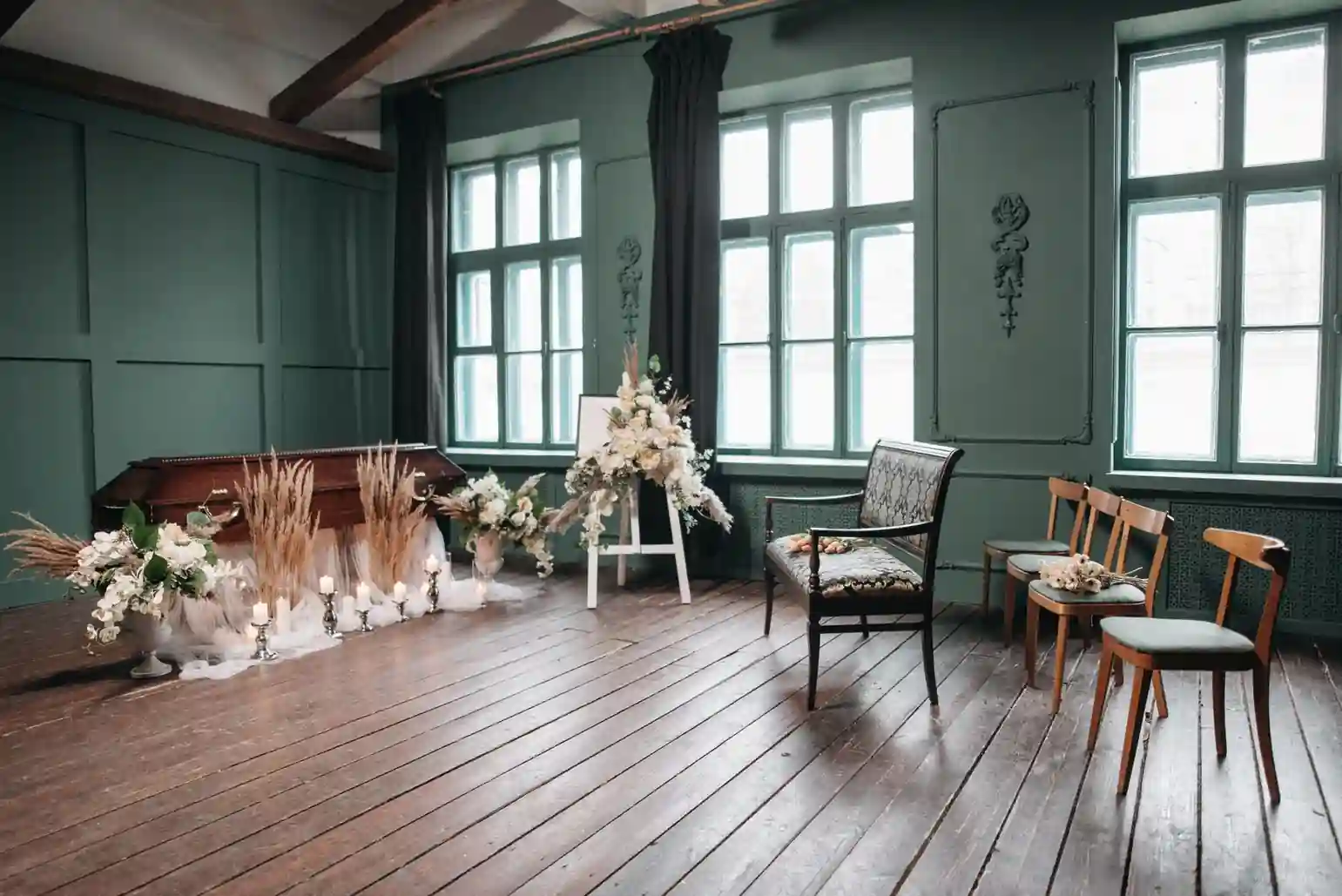
The most useful memorial pages start with the essentials. Include the person’s full name, the dates that matter, and a short introduction that helps visitors recognise the life being remembered. That summary does not need to sound formal. In many cases, two or three honest paragraphs are more meaningful than a long, polished obituary-style biography. Focus on who the person was, what people loved about them, and what made their presence distinct.
Photographs are usually the next most important inclusion. A memorial page does not need every image the family owns. It is often better to start with a small selection that is clear, representative, and emotionally appropriate for a wide circle of visitors. Think about using a primary portrait and then a few supporting images from meaningful stages of life. If you are unsure where to start, the Memorials FAQ on what information you need to start a memorial is a useful checkpoint because it separates true essentials from details that can be added later.
A strong page also benefits from a short obituary summary or life story section. This is not the place to include every family detail. Instead, give visitors enough context to understand the person’s relationships, values, interests, and impact. You might mention their role in the family, a profession or vocation, the passions that shaped their days, and the qualities people will remember most. If you are still deciding how the page should sit beside a death notice or formal funeral notice, the guide on how to create an online memorial can help you stage that content more comfortably.
Service information is also common, but it should only be added when it is confirmed. If you want the memorial to help with practical communication, you can include the funeral or memorial service date, time, venue, livestream link, dress guidance, or wake details. The important thing is accuracy. Publishing half-final information usually creates more confusion than help. Families who expect to use the page this way often benefit from reading how to add funeral details to memorial pages before they publish.
Tributes and condolence messages are another key inclusion because they turn a page from a static profile into a shared act of remembrance. Evaheld’s plan catalogue confirms that memorial plans can support written tributes, contributor invites, moderation, and review workflows, which matters if several relatives or friends want to participate. If shared contribution is part of your plan, it helps to review the FAQ on inviting family and friends to help build the memorial and the article on private versus public online memorials before opening the page more broadly.
Many families also add videos, music, scanned keepsakes, or a charity request, but those are best treated as optional layers rather than mandatory first-step items. Donation information can be especially helpful when a family wants to direct support away from flowers and toward a cause that mattered to the person. If you are considering that, the guide on adding donation links to memorials is a practical companion to this article.
Another useful inclusion is a short note about who is managing the page. Visitors do not need private contact details, but it helps if they can tell whether tributes are being reviewed, whether service information is final, and whether more photographs or memories may be added later. That small piece of context makes the memorial feel cared for rather than abandoned.
It also helps to think in terms of visitor needs. Some people come to the memorial simply to understand the loss and see the key details. Others come looking for funeral information. Others come hoping to leave a message or read tributes from other people. A good page serves all three groups without turning any of them into the whole page.
A simple checklist you can use before publishing
- Full name presented the way the family wants it remembered.
- Birth and death dates checked for accuracy.
- A short life summary that sounds like the person rather than a template.
- A small set of photographs that feel respectful and clear.
- Confirmed service details, only if you want the page to handle practical updates.
- A tribute or condolence section, especially if family and friends may contribute later.
- Optional extras such as videos, music, or donation links only when they add genuine meaning.
- One person clearly responsible for final edits and updates.
That checklist is usually enough to produce a memorial page that feels complete without becoming overwhelming. It also leaves room for future additions. Online memorials tend to work best when they can deepen over time, not when everything is forced into the first version. This is one reason many families later explore how online memorial pages work in practice once the first draft is live.
If you want a simple mental model, think of the page as having three layers. First comes identity: name, dates, and the person’s central story. Second comes participation: tributes, messages, and practical service details. Third comes enhancement: optional media, charity links, and broader family contributions. Keeping those layers separate helps you avoid the feeling that you must solve everything at once.
This layered approach also suits how Evaheld Memorials is structured. The free and paid plans all include a personal memorial page, digital condolences, and memorial sharing, while the Shared Tribute and higher plans add richer collaboration, moderation, and privacy control. That means you can start with a modest page and still have room to turn it into a fuller family memorial later if that becomes important.
What to leave out, limit, or manage carefully
Just as important as what to include is what not to include. Memorial pages can become difficult when families treat them as a storage place for every fact, every image, and every emotion in raw form. The aim is remembrance, not digital overload. If a detail feels too private, too identifying, or likely to create disagreement, pause before publishing it.
For example, families should think carefully before posting home addresses, highly personal medical information, financial details, account numbers, children’s school information, or photographs that include other people who have not agreed to be shown. Guidance from the OAIC on social media and online privacy and the eSafety Commissioner’s advice on photo and video sharing is a useful reminder that once names, images, and personal details are online, control can be limited even if the original intention was loving and respectful.
It is also sensible to leave out anything that has not been confirmed. If funeral times are still changing, wait. If there is family disagreement about wording, use a shorter neutral summary while you review it. If there is a story that matters deeply to one person but may distress others, consider whether it belongs in the first public version at all. A memorial page does not have to carry every truth immediately to be sincere.
Another common mistake is overloading the page with too many photos and too much text. Visitors often connect more deeply with a few strong details than with a long page that feels hard to navigate. If you want a richer record, think in layers. Start with the identity, the story, the practical details, and the tribute space. Then add media and extras over time. The article on whether you can update an online memorial is helpful here because it reinforces that a memorial can evolve rather than arrive fully finished.
There are also some details that may be true but still not belong on a public memorial. Graphic circumstances of death, unresolved family disputes, sensitive legal matters, and comments written in the first shock of grief can all be real, but that does not make them useful memorial content. If a piece of information mainly creates distress, confusion, or exposure, it is usually better kept offline or reserved for a smaller private setting.
Privacy settings deserve deliberate attention too. Some Evaheld plans are public by design, while Shared Tribute and higher plans add private memorial options, moderation controls, contributor invites, and approval tools. If the family wants breathing room before sharing more widely, the FAQ on whether your memorial can stay private until you are ready to share and the FAQ on which plan lets you make a memorial private are the most relevant internal references. They make it easier to match visibility to the family’s comfort level instead of assuming every memorial should be public from the beginning.
You should also decide early who manages updates. One person needs responsibility for checking dates, approving contributions, editing service details, and responding if something needs to be corrected later. That does not mean the memorial has to belong to one voice only. It simply means there should be a clear steward. For families who expect public participation, the FAQ on leaving tributes and condolences on a memorial is helpful because contribution works best when someone is ready to review it thoughtfully.
Choosing that steward is often easier when the role is described clearly. The page manager should know which facts are confirmed, which family members need to review wording, which photos are approved for sharing, and whether donation or service links are final. That kind of light coordination can save a lot of confusion once the page is being visited and shared.
In practice, the most successful memorial pages are calm, selective, and easy to trust. They give visitors enough to remember the person well, enough to join in respectfully, and enough practical information to be useful, without asking the family to publish everything they know. If you are still deciding how your page should balance warmth, privacy, and public sharing, the guide on private versus public online memorials is worth reading alongside this one.
That selective approach is not about making the page less personal. It is about protecting what is personal so that the memorial remains generous, readable, and safe for the people visiting it. A memorial should feel like a place of welcome and honour, not like a page visitors must navigate carefully for fear of stumbling into details that were never meant to be widely shared.
Related Evaheld Memorials guidance
Families working through What to Include in an Online Memorial Page often need a few connected decisions in one place: future-proofing QR memorials, online memorial resources for families, how online memorial pages work, the difference between a memorial, obituary, and tribute page, how to create an online memorial. These related guides help the article sit inside a fuller memorial planning path rather than leaving each decision isolated.
For Evaheld Memorials product details, the most useful companion pages are private memorial sharing choices, tributes and condolences on a memorial, how quickly can I create an online memorial, plans with private memorial options, subscription or one-time memorial plans. They explain setup, privacy, contribution and sharing choices before a family invites others into the memorial.
FAQs about What to Include in an Online Memorial Page
What should you include in an online memorial page?
An online memorial page works best when it feels respectful, useful, and manageable. Most families are not trying to produce a perfect life archive on day one. They are usually trying to decide what belongs on the page now, what can wait until later, and what may be better kept private. The clearest answer is that a strong memorial page should include the person’s identity, a short life summary, a carefully chosen set of photos, practical service information if you want to share it, and a space for tributes from the people who knew them best.
Start with the practical facts, then leave room for memory, emotion and family preferences. private memorial sharing choices can help you organise the Evaheld Memorials side, while GOV.UK guidance after a death gives families wider context before decisions feel rushed.
How can an online tribute feel personal and respectful?
A respectful plan usually combines clear information, gentle language and a way for close people to contribute at the right time. tributes and condolences on a memorial supports that shared approach, and National Institute on Aging end-of-life guidance is a useful reminder that grief affects people differently.
When should a family create or review the memorial?
Begin as soon as the task would reduce pressure rather than add to it. Families often start with a simple memorial draft, then refine details over time using how quickly can I create an online memorial; Better Health grief information can also help with the first administrative steps after a death.
Who should manage the page and approve contributions?
The closest organiser should usually guide the final decisions, but relatives and friends can help with stories, photos and checks. plans with private memorial options explains how collaboration can work, while FTC funeral rule information outlines broader steps families may need to consider.
What content belongs on the memorial page?
Yes. A memorial page can hold service details, photos, tributes, updates and a lasting place to return to after the immediate arrangements are over. subscription or one-time memorial plans shows how quickly that can begin, and ACCC funeral services information offers trusted context for bereavement care.
How can families control privacy and sharing?
Keep sensitive information out of public copy, review contributions before publishing and choose privacy settings before sharing widely. future-proofing QR memorials explains private memorial options, while SAMHSA coping tips gives practical consumer context around funeral and memorial decisions.
Which account details and backups should be retained?
Keep the memorial URL, service details, donation preferences, key family contacts and any relevant documents in one place. online memorial resources for families helps families compare plan needs, and Moneysmart funeral costs guidance can support cost and planning conversations.
How can relatives contribute safely?
Invite people to contribute specific memories, photographs or messages, then review everything before it appears publicly. how online memorial pages work explains tribute and condolence controls, while Healthdirect grief support offers supportive guidance for people coping with loss.
What common online memorial mistakes should families avoid?
Avoid rushing public details, copying private messages without permission or turning the page into a list of tasks. the difference between a memorial, obituary, and tribute page helps families understand free and paid options, and Services Australia guidance after a death is useful when funeral-related decisions need clear consumer information.
How does Evaheld Memorials support long-term preservation?
Evaheld Memorials gives families a guided place to create, edit, share and preserve a tribute as needs change. how to create an online memorial keeps the memorial grounded in practical setup, while USA.gov steps after someone dies helps families think about comfort and care beyond the page itself.
If you want a calm place to organise memories, tributes, photos and family contributions, create a lasting Evaheld Memorials tribute for your family.
Start with what matters most
An online memorial page does not need to carry every detail of a life to feel meaningful. It needs the right details: clear identity, a true sense of the person, practical information where useful, and enough space for family and friends to remember them well. If you want a guided place to begin, you can start your memorial with Evaheld’s guided onboarding and build the page gradually, with privacy, collaboration, and updates managed in a way that suits your family.
Related Evaheld resources
Continue with these carefully selected Evaheld Memorials guides and answers.