Celebration of Life Ideas
A practical hub for celebration of life themes, readings, memory tables, music, digital tributes and low-cost personal touches.
Last Updated: June 24, 2026
Celebration of life ideas are easiest to choose when the planning begins with the person, not with a checklist of decorations. Families are usually trying to answer a more tender question: what kind of gathering would feel true to this life, and what would help guests leave with a clearer memory rather than a heavier heart?
This hub gathers practical celebration of life ideas, themes, readings, music, memory displays and digital tribute options. It is written for families who want a warm, personal farewell without making the event feel overproduced. Use it as a starting point, then follow the linked Evaheld Memorials resources for deeper help with eulogies, memory tables, online memorials and budget decisions.
How should you choose a celebration of life theme?
A good theme should make the person recognisable. It might come from their garden, favourite coastline, sports club, recipes, profession, faith, humour, travel stories, volunteering, music or the way they welcomed people into their home. The theme does not need to appear on every napkin and sign. It can simply guide the venue, readings, music, colours and stories.
Start by asking relatives for three words they would use to describe the person. If the same ideas repeat, let those words lead the plan. A generous host might suit a shared meal and recipe cards. A quiet walker might suit native flowers, maps and a short outdoor ritual. Someone known for laughter might be remembered through gentle stories rather than formal speeches.
For a broad idea bank, use 75 celebration of life options. If the farewell will be secular, secular farewell planning can help you create structure without religious language. Australian Government inclusive language advice is also useful when wording needs to be respectful across cultures, relationships and beliefs.
Theme decisions are also where families can reduce pressure. You do not need matching stationery, a professional display or an expensive venue for the farewell to feel intentional. A simple thread carried through the welcome, music, stories and table display is usually enough. If the person loved the ocean, that may mean blue flowers, a shell from a favourite beach, a reading about water and a closing song they played in the car. If they were known for feeding everyone, it may mean handwritten recipe cards, a shared cake table and family members telling stories from the kitchen.
When relatives disagree, return to evidence from the life rather than debating taste. Look at photos, messages, hobbies, playlists, awards, garden tools, handwritten notes and the places the person returned to often. These details make planning less abstract. They also help the person leading the service explain each element in one sentence, which makes guests feel included rather than puzzled by private symbolism.
What readings, eulogies and stories work best?
Readings work best when they are brief, speakable and connected to the person. A passage from a favourite book, a short poem, a prayer, a letter, a family recipe introduction or a line from a speech can work. Avoid choosing a reading only because it sounds like a memorial reading. The stronger choice is often the one people can picture the person enjoying.
The eulogy should not try to document every year. It should help guests understand the shape of the life: where the person came from, what they cared about, who they loved, what they taught others and what small details people will miss. Families can use step-by-step eulogy writing for structure and life story obituary templates when they need a written record for guests or an online memorial.
If the death followed illness or aged care, planning may begin while relatives are already tired. Healthdirect anticipatory grief information explains that grief can start before a death, and Australian Government palliative care information gives broader context for family support and care planning.
For speakers, the most useful brief is often short and specific: two minutes, one clear memory, no pressure to summarise the whole life. This protects guests who are grieving and keeps the service moving. It also allows more voices to be included without turning the event into a long sequence of formal speeches. If someone wants to contribute but cannot speak on the day, invite them to write a note that another person can read or add to the online memorial.
It helps to prepare transitions. A host or celebrant can say why a reading was chosen, who is speaking next, and what guests are invited to do after the formal part ends. These small bridges make a celebration of life feel cared for without making it stiff. They are especially useful when the gathering includes people from different parts of the person's life who may not know each other.
How can music, food and venues make the farewell personal?
Music sets the emotional pace. Choose arrival music that feels welcoming, one reflective piece for silence or photos, and a closing song that sends people out gently. The playlist can include the person’s favourites even if they are not traditional funeral choices. A jazz standard, a folk song, a football anthem or a song from the kitchen radio may carry more truth than something chosen because it sounds solemn.
Food can be a tribute too. A tea table with the person’s slice recipe, a barbecue at the local club, a picnic, a shared dessert or a favourite cafe can feel more personal than formal catering. Keep accessibility in mind: seating, shade, toilets, transport, sound, parking and weather plans matter as much as decoration. Healthdirect palliative care information is a reminder that family capacity and care needs may shape what is realistic.
Venue choices can include a chapel, garden, community hall, surf club, family home, restaurant, library room, sports club or cemetery function space. If cost is a concern, compare the full budget with funeral planning cost questions and use ACCC funeral services information to ask providers for itemised costs.
Before booking, walk through the event from a guest's point of view. Can older relatives enter without stairs? Will the sound system make soft voices audible? Is there somewhere quiet for children or overwhelmed guests? Can photos be displayed safely? Are candles allowed? Is there time for setup and pack-down? These practical questions do not make the farewell less personal. They make the personal moments easier for people to receive.
What should you include in memory displays and activities?
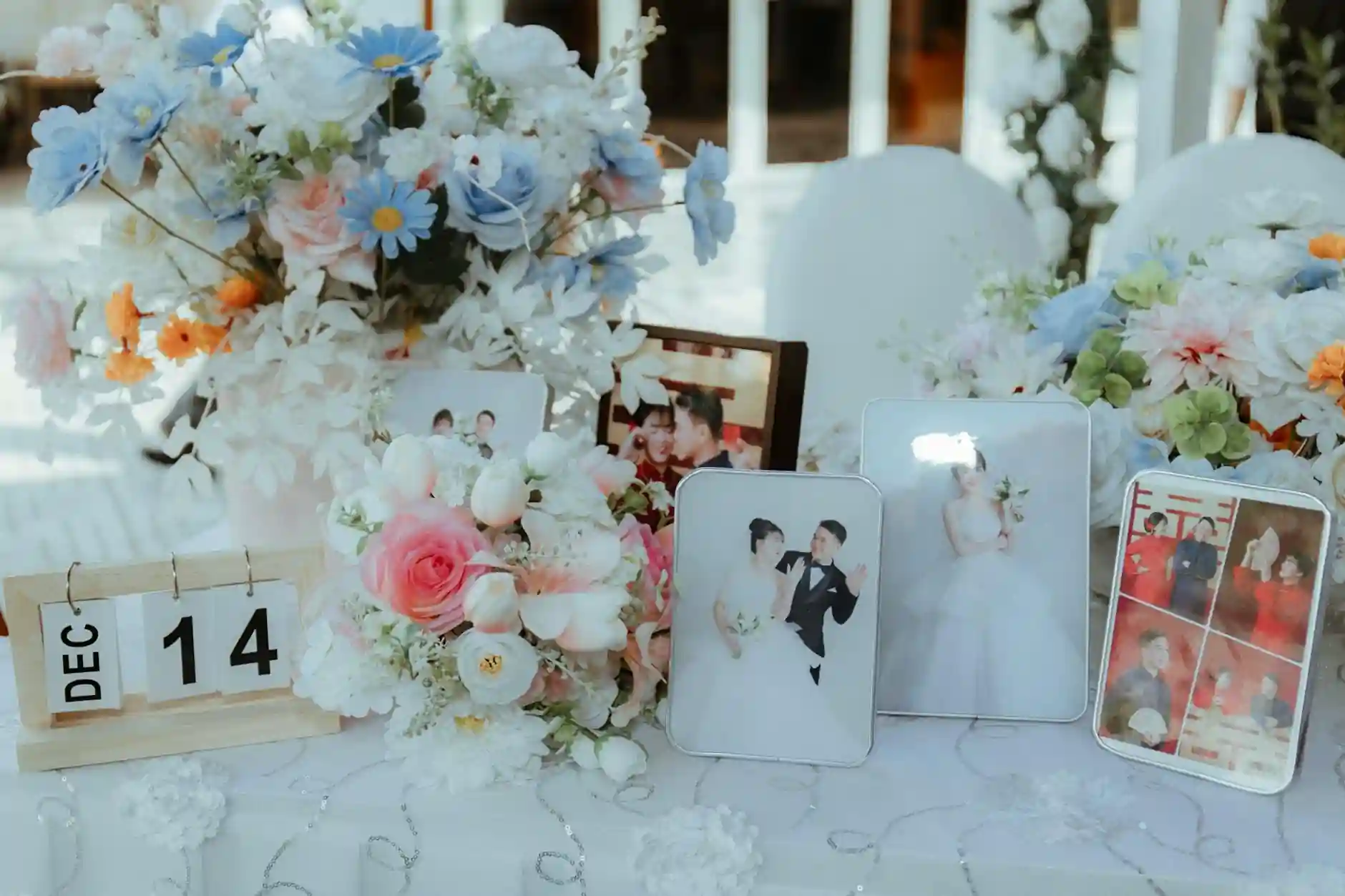
Memory displays should invite recognition, not overwhelm guests. A strong table might include labelled photos, a few objects, a timeline, flowers, candles where allowed, memory cards and a simple sign explaining what guests can add. Too many objects can make the display hard to understand. Choose fewer pieces and give each one context.
Activities can be quiet and still feel meaningful. Guests might write one sentence about the person, place a flower in a shared vase, add a photo to a board, record a voice note, mark a map with a memory location or contribute to a playlist. Children may need a drawing table, a trusted adult nearby or a simple role such as placing a flower. Dougy Center resources for grieving children and The National Centre for Childhood Grief offer helpful context for age-aware support.
For detailed display planning, use memory table planning. If relatives cannot attend, a digital collection can hold their stories alongside the in-person display.
Give guests a clear prompt if you want contributions. "Write one thing they taught you", "Share a place that reminds you of them" or "Add a song they would have loved" is easier than a blank card. The prompt should match the tone of the person. A private family might prefer sealed cards. A sociable person might suit a shared board. A keen traveller might suit map pins or postcards. The aim is to create an opening, not to force everyone into the same style of grief.
How can digital tributes support the gathering?
An online memorial gives the celebration a place to continue. It can hold photos, stories, event details, condolence messages and updates after the day itself. This matters when relatives live interstate, guests are unwell, or the family wants to gather memories privately before sharing more widely.
Evaheld Memorials can support the practical side of this. Families can review the online memorial creation process, compare Memorials plan options, browse public memorial examples, use the Memorials help centre or return to Evaheld Memorials when they are ready to begin.
If you want to collect photos, stories and messages before finalising the running order, you can gather celebration stories in one private place.
Digital tributes are also useful after the event, when memories continue to surface. Guests often remember a story on the drive home or find a photo weeks later. Keeping one shared place open means those late contributions are not lost in text threads or social posts. It also gives the family a more complete record than a printed order of service can hold.
Celebration of life planning checklist
- Choose three words that describe the person and let them guide the tone.
- Select a venue that fits access, weather, sound, seating and budget needs.
- Pick one opening, one reflective and one closing piece of music.
- Invite one main eulogy and a small number of short memories.
- Prepare a memory table with labels, not just objects.
- Offer a simple way for guests to contribute written or digital memories.
- Check cultural, faith, accessibility and privacy needs before sharing details.
- Keep the online memorial open after the event for late tributes.
Related Evaheld Memorials guidance
Families working through celebration of Life Ideas often need a few connected decisions in one place: the difference between a memorial, obituary, and tribute page, what to include in an online memorial, how to create an online memorial, how to assess memorial websites, whether online memorials are free. These related guides help the article sit inside a fuller memorial planning path rather than leaving each decision isolated.
For Evaheld Memorials product details, the most useful companion pages are how quickly can I create an online memorial, plans with private memorial options, subscription or one-time memorial plans, free vs shared tribute plans, information needed to start a memorial. They explain setup, privacy, contribution and sharing choices before a family invites others into the memorial.
FAQs about celebration of Life Ideas
What should families know about celebration of life ideas?
Celebration of life ideas are easiest to choose when the planning begins with the person, not with a checklist of decorations. Families are usually trying to answer a more tender question: what kind of gathering would feel true to this life, and what would help guests leave with a clearer memory rather than a heavier heart?
Start with the practical facts, then leave room for memory, emotion and family preferences. how quickly can I create an online memorial can help you organise the Evaheld Memorials side, while National Institute on Aging end-of-life guidance gives families wider context before decisions feel rushed.
How can families make the farewell personal and respectful?
A respectful plan usually combines clear information, gentle language and a way for close people to contribute at the right time. plans with private memorial options supports that shared approach, and Better Health grief information is a useful reminder that grief affects people differently.
When should funeral arrangements begin?
Begin as soon as the task would reduce pressure rather than add to it. Families often start with a simple memorial draft, then refine details over time using subscription or one-time memorial plans; FTC funeral rule information can also help with the first administrative steps after a death.
Who should help make the key decisions?
The closest organiser should usually guide the final decisions, but relatives and friends can help with stories, photos and checks. free vs shared tribute plans explains how collaboration can work, while ACCC funeral services information outlines broader steps families may need to consider.
Can an online memorial complement the funeral service?
Yes. A memorial page can hold service details, photos, tributes, updates and a lasting place to return to after the immediate arrangements are over. information needed to start a memorial shows how quickly that can begin, and SAMHSA coping tips offers trusted context for bereavement care.
How can families protect private information while planning?
Keep sensitive information out of public copy, review contributions before publishing and choose privacy settings before sharing widely. the difference between a memorial, obituary, and tribute page explains private memorial options, while Moneysmart funeral costs guidance gives practical consumer context around funeral and memorial decisions.
Which documents and service details should be kept together?
Keep the memorial URL, service details, donation preferences, key family contacts and any relevant documents in one place. what to include in an online memorial helps families compare plan needs, and Healthdirect grief support can support cost and planning conversations.
How can relatives contribute without adding pressure?
Invite people to contribute specific memories, photographs or messages, then review everything before it appears publicly. how to create an online memorial explains tribute and condolence controls, while Services Australia guidance after a death offers supportive guidance for people coping with loss.
What common planning mistakes should families avoid?
Avoid rushing public details, copying private messages without permission or turning the page into a list of tasks. how to assess memorial websites helps families understand free and paid options, and USA.gov steps after someone dies is useful when funeral-related decisions need clear consumer information.
How can Evaheld Memorials preserve the tribute after the service?
Evaheld Memorials gives families a guided place to create, edit, share and preserve a tribute as needs change. whether online memorials are free keeps the memorial grounded in practical setup, while GOV.UK guidance after a death helps families think about comfort and care beyond the page itself.
If you want a calm place to organise memories, tributes, photos and family contributions, create a lasting Evaheld Memorials tribute for your family.
What matters most about Celebration of Life Ideas
The best celebration of life ideas are not the most elaborate. They are the choices that make guests say, "That felt like them." A thoughtful theme, readable words, personal music, a clear memory display and a practical way for people to contribute can create a farewell that is warm without becoming complicated.
Start with the person, then decide what the family can realistically host. When you are ready to preserve the stories beyond the gathering, you can create a shared memorial for celebration memories.
Related Evaheld resources
Continue with these carefully selected Evaheld Memorials guides and answers.