What are the best virtual obituary platforms? Features, privacy and family fit
A practical Evaheld Memorials article that answers “What are the best virtual obituary platforms?”, explains virtual obituary platforms, shows what to include, avoids common mistakes and helps families plan features, privacy and family fit.

The best virtual obituary platforms are the ones that help your family publish a respectful tribute, gather memories, control privacy, update details over time and share access with the right people. Look for clear pricing, ad-free or low-distraction pages, strong privacy settings, simple photo and story tools, export or preservation options, and a support model that suits your family’s comfort with technology.
There is no single “best” choice for every family. Some people need a simple public obituary page attached to funeral details; others want a more private memorial space for photos, messages, life stories, guestbook contributions, wishes and digital legacy notes. A practical comparison should consider ease of use, family permissions, long-term access, data handling, cost structure and whether the platform feels appropriate for the person being remembered.
Direct answer: What are the best virtual obituary platforms?
The best virtual obituary platforms usually share five qualities: they are easy for relatives to use, respectful in presentation, flexible about privacy, transparent about pricing, and reliable for preserving memories. A strong platform should allow a family to create a tribute page, add an obituary, upload photos, invite contributions, moderate messages and update funeral or memorial details when plans change.
When comparing the top digital memorial platforms, avoid relying only on star ratings or design screenshots. Read what each service actually offers: whether pages can be private, whether advertisements appear beside the tribute, whether family members can contribute safely, whether content can be updated, and whether there are clear instructions for account access later. For a broader comparison mindset, Evaheld Memorials also explores the top digital memorial platforms and what families should look for beyond a polished homepage.
Digital preservation experts consistently recommend organisation, file quality and regular review when keeping personal digital archives. The Library of Congress’ guidance on personal digital archiving is a useful reminder that meaningful memories are easier to preserve when they are named clearly, stored intentionally and not scattered across old devices or message threads.
What virtual obituary platforms is for
Virtual obituary platforms are used to create an online place where a person’s life can be acknowledged, remembered and shared. Depending on the platform, that may include a written obituary, service details, photographs, videos, condolence messages, a guestbook, family updates, donation information, personal stories, cultural or faith notes, and instructions for how people can participate.
They can be especially helpful when relatives and friends live in different cities or countries. A virtual obituary page can give people one reliable place to find accurate information, rather than relying on forwarded texts, social media posts or incomplete funeral notices. For families managing many practical tasks at once, that central point can reduce confusion and repeated questions.
Good platforms also help families preserve more than logistics. The U.S. National Archives’ advice on preserving family archives highlights the importance of caring for photographs, papers and records thoughtfully. The same idea applies online: a memorial page should not just be a noticeboard, but a carefully organised collection of memories that can be revisited.
When to use virtual obituary platforms
Families often use virtual obituary platforms after a death, when they need to publish an obituary, announce service details or invite condolences. They can also be prepared in advance as part of wider memorial planning, especially when someone wants to record their own life story, preferred wording, photos, music, messages or instructions for loved ones.
A platform may be useful when a family is geographically spread out, when many people want to contribute memories, when funeral details may change, or when privacy matters. Some families prefer a public page so friends can find the notice easily. Others choose a private or invitation-only memorial because the person’s life, circumstances or family situation calls for discretion.
Privacy is particularly important if the page includes names of surviving relatives, addresses, dates, photos of children, health details or sensitive family history. The Office of the Australian Information Commissioner explains practical privacy rights and principles, while the UK Information Commissioner’s Office provides public guidance on personal information rights. Legal requirements vary by country, state and territory, so formal documents should be checked against local rules or reviewed by a qualified professional where needed.
What to include in virtual obituary platforms
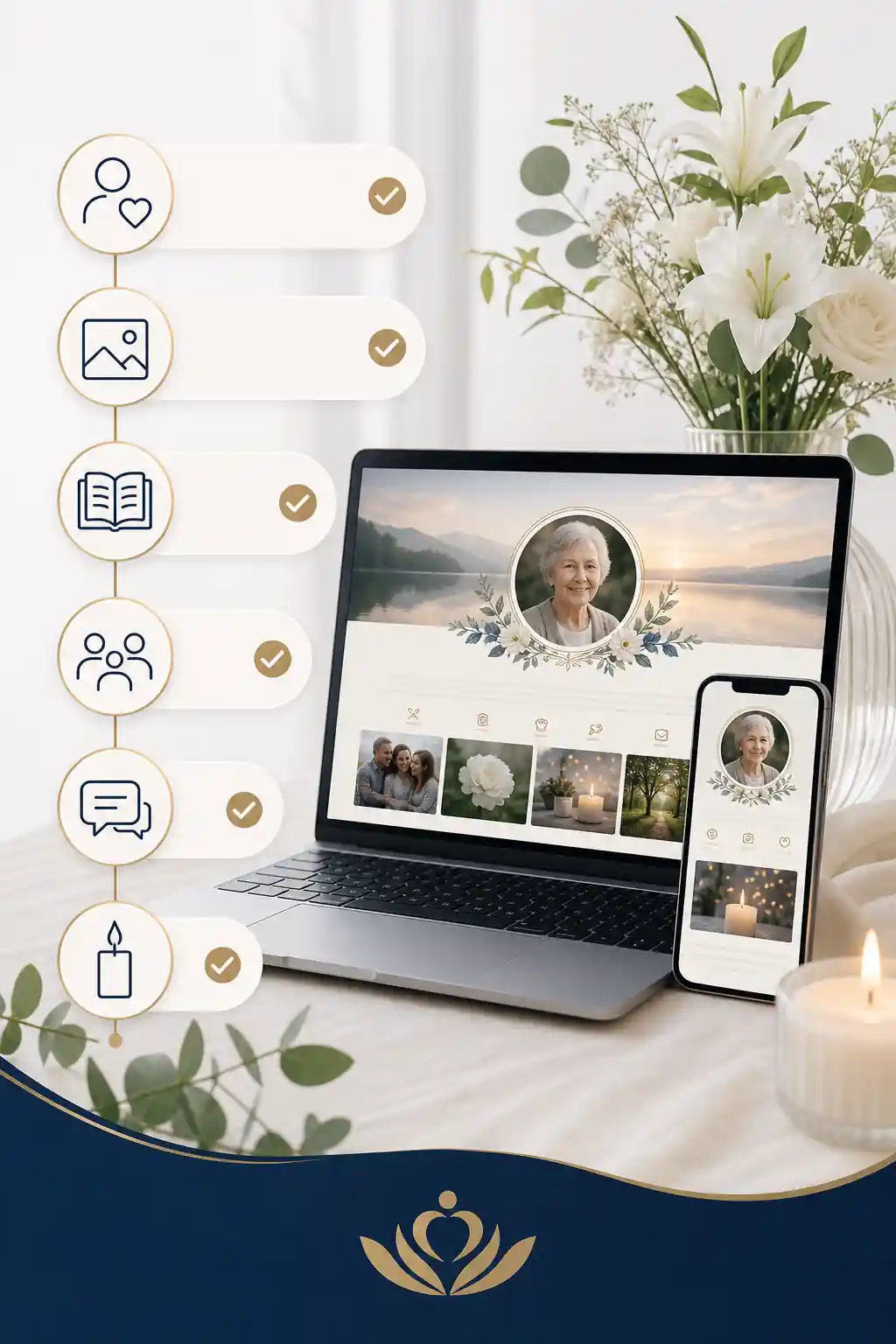
A helpful virtual obituary page should be clear, warm and accurate. Start with the person’s full name, preferred name, dates, a short life summary and the tone the family wants to convey. Add service or memorial details only when confirmed, and include whether people may share the page, leave messages or contribute photos.
Consider including:
- A respectful obituary or life story.
- Key photographs, ideally labelled with names, places and approximate dates.
- Funeral, memorial, livestream or wake details, if appropriate.
- A guestbook or condolence area.
- Family-approved donation, flower or support preferences.
- Favourite music, readings, sayings, recipes or memories.
- Permissions for who can view, comment, upload or edit.
- Notes about cultural, spiritual or family preferences.
- Instructions for future updates and who is responsible for them.
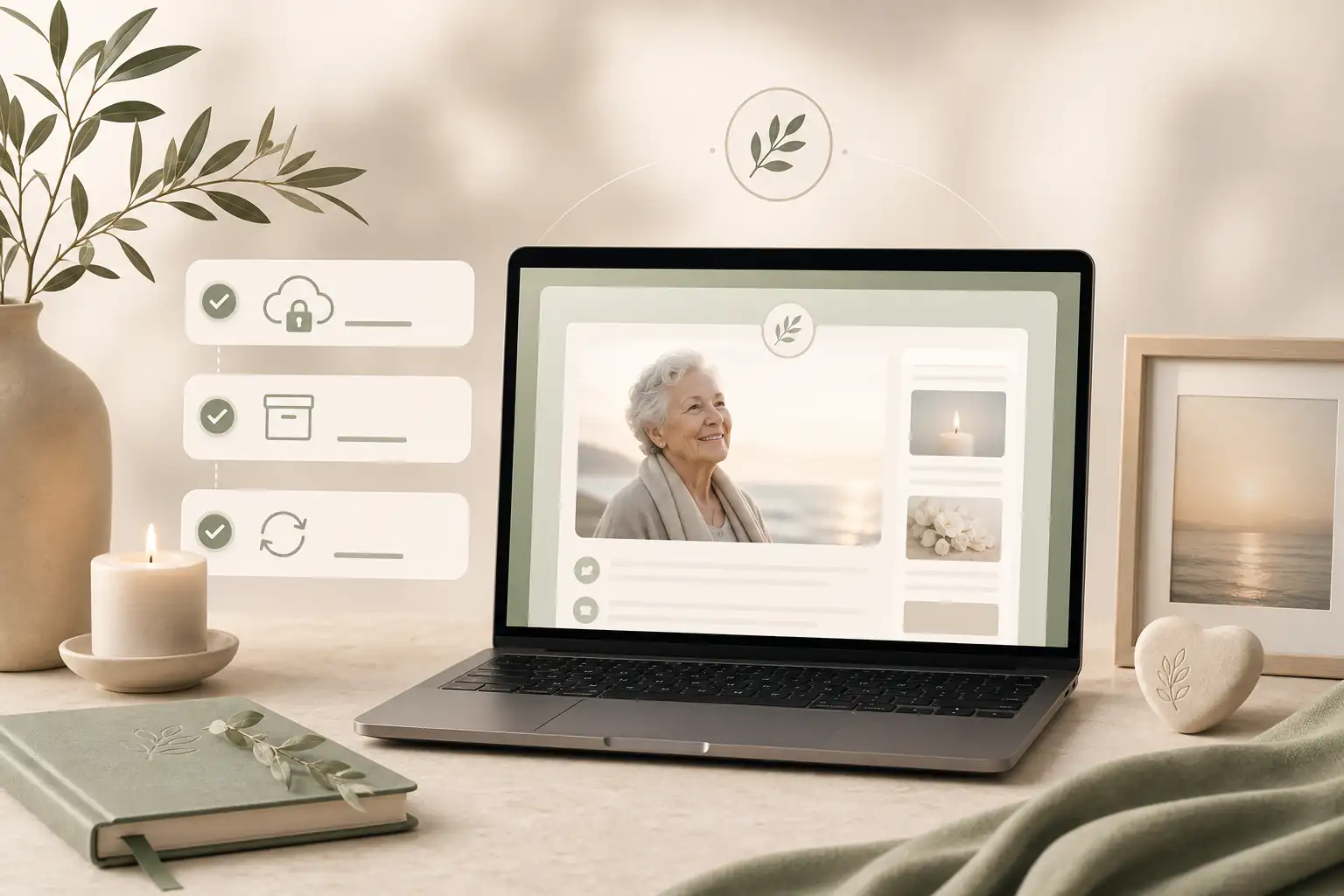
The Digital Preservation Coalition’s Digital Preservation Handbook is a helpful reference for thinking beyond the first publication date. It encourages planning for long-term access, file formats, metadata and stewardship. In plain family terms, that means choosing good-quality files, adding context, and making sure someone trusted knows how the memorial will be maintained.
Step-by-step instructions for virtual obituary platforms
A calm process makes platform selection easier. Use the following steps before committing to any online memorial website:
- Decide the purpose. Is this mainly an obituary notice, a tribute page, a private family archive, a memorial event hub, or a combination?
- Choose the audience. Decide whether the page should be public, private, invite-only or shared with selected groups.
- Gather core content. Collect the obituary wording, photographs, dates, service details and any messages or wishes.
- Check consent and sensitivity. Be careful with details about living people, children, health, relationships, addresses and conflict.
- Compare features and pricing. Look for clear costs, one-time fee or subscription terms, ad settings, storage limits and support options.
- Set permissions. Choose who can edit, contribute, moderate comments and receive updates.
- Review security. Use strong passwords, multi-factor authentication where available, and trusted account recovery details.
- Preview before publishing. Ask one or two trusted people to check names, dates, tone, privacy and links.
- Share thoughtfully. Send the page to the right people with a short note about how they can contribute.
- Review over time. Update details, add memories and check whether the privacy settings still suit the family.
For a practical starting point, families can create a memorial page with Evaheld Memorials and build from a more organised foundation than scattered notes or folders. If ease of setup is your main concern, you may also find this guide to the easiest online memorial builders useful.
Practical tips for families
Start small. A page does not need to include every photograph or every story on day one. A clear obituary, a few meaningful images and accurate service information are often enough at first. Families can add memories later, especially once the immediate pressure of arrangements has eased.
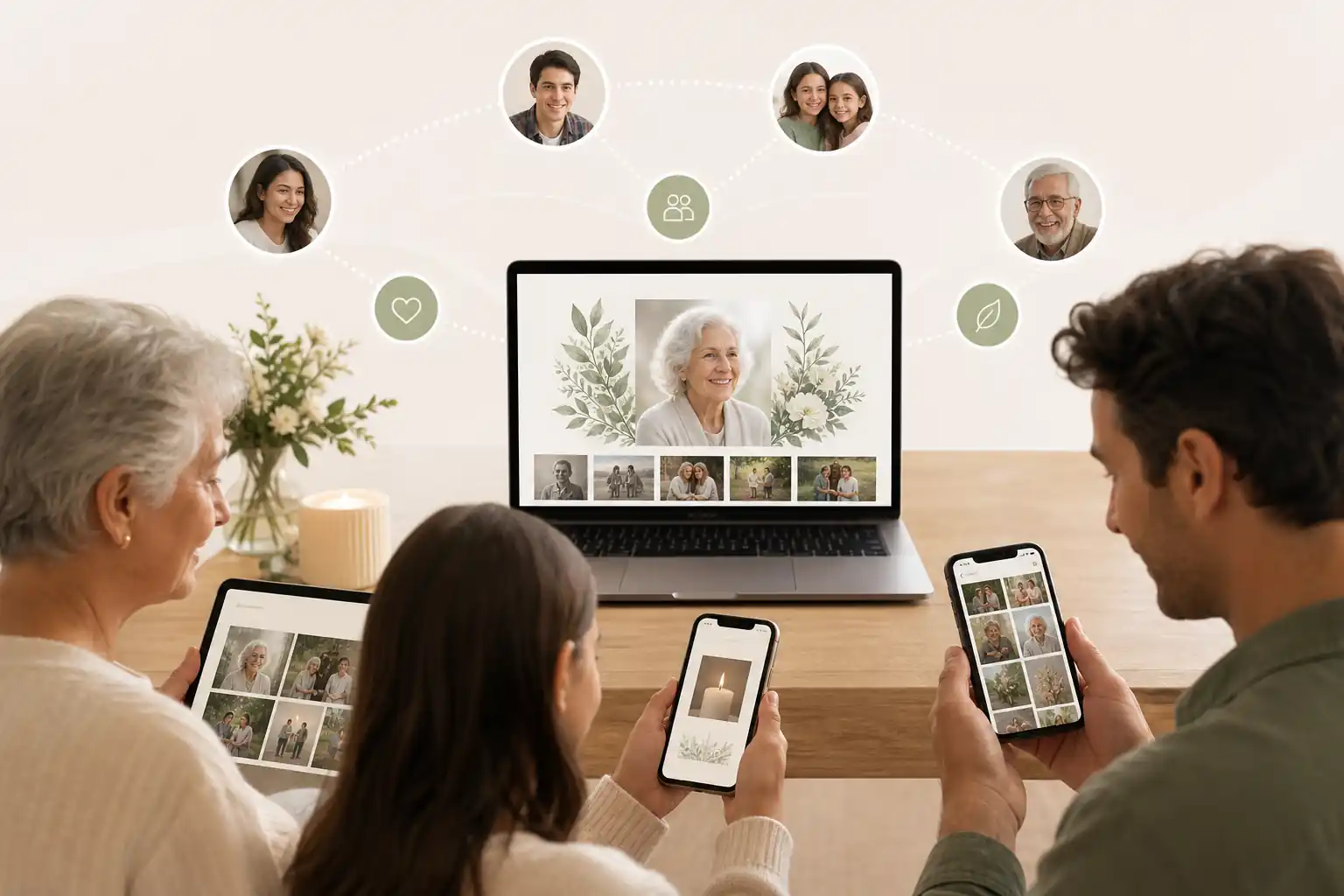
Use plain language for permissions. Instead of saying “everyone can contribute”, decide exactly who can upload photos, who can approve guestbook entries and who can change important details. This helps avoid accidental edits or well-meaning contributions that feel too public.
Think carefully about account security. The Australian Cyber Security Centre’s guidance on password managers and multi-factor authentication is useful for any family member managing a memorial account. CISA’s Secure Our World campaign also gives simple reminders about protecting accounts and recognising suspicious activity.
Finally, compare review articles with care. “Best online memorial websites Australia reviews” and similar searches can be useful, but they may miss important details such as long-term access, advertising, content export, privacy controls and family moderation. Evaheld Memorials has a separate guide on what online memorial website reviews usually miss.
Common mistakes
One common mistake is choosing a platform only because it looks attractive. Design matters, but a beautiful page can still be frustrating if it is difficult to update, unclear about pricing or weak on privacy. Another mistake is publishing too much information too quickly, especially before relatives have agreed on wording or service details.
Families also sometimes forget to plan who will maintain the page. If one person creates the memorial but no one else knows the login process, future updates can become difficult. It is wise to choose a trusted administrator and, where appropriate, a backup contact.
Be alert to scams and impersonation around bereavement. The U.S. Federal Trade Commission explains how to recognise and avoid phishing scams, and its advice on protecting privacy online is relevant when sharing personal information in any public setting. A memorial page should never pressure people to click unclear donation links or provide sensitive information.
What not to do
Do not publish sensitive personal details simply because they are available. Avoid home addresses, private phone numbers, unresolved family matters, identity documents, financial information and medical details unless there is a clear reason and appropriate consent. Be especially cautious with images of children or vulnerable people; Australia’s eSafety Commissioner provides accessible guidance on privacy and online safety.
Do not assume a virtual obituary replaces formal documents, legal notices, estate planning, funeral director guidance or official records. Online memorials can be deeply helpful for communication and remembrance, but they are not a substitute for local legal, financial, probate, cemetery or medical advice. Requirements vary across Australia, the UK, the U.S. and other jurisdictions.
Do not use a weak password or shared family password that has been used elsewhere. NIST’s digital identity guidance, including authentication recommendations, reinforces the value of strong, well-managed credentials. If the memorial links to Apple or Google photos, storage or accounts, review official guidance such as Apple’s information on Digital Legacy and Google’s Inactive Account Manager.
How Evaheld Memorials helps create, complete, store, update and share virtual obituary platforms
Evaheld Memorials is designed to help families create, complete, store, update and share memorial information in one organised experience. Rather than keeping obituary drafts in one inbox, photos in another folder, guestbook ideas in a group chat and wishes in a document no one can find, families can use Evaheld Memorials to bring key tribute materials together.
Through Evaheld Memorials, families can create a memorial page, add meaningful content, invite trusted people to contribute, and keep related memories and instructions connected. The aim is not to replace funeral directors, lawyers, counsellors or official guidance, but to make the memorial-planning layer easier to manage.
You can review online memorial features, compare online memorial plans, and explore the digital legacy vault if you want a more complete approach to memories, wishes and future access. For support questions, the memorial support questions page can help families understand common setup and sharing considerations.
Create a secure Evaheld Memorials page for virtual obituary platforms, then update it over time and share it with trusted people when ready.
Final checklist
Before choosing or publishing a virtual obituary page, use this final checklist:
- The platform’s purpose is clear: notice, tribute, archive, event hub or a combination.
- Pricing is transparent, including whether it is subscription-based, one-time fee or free with limitations.
- Advertising, branding and page distractions are acceptable to the family.
- Privacy settings match the sensitivity of the information being shared.
- Names, dates, service details and links have been checked by a trusted person.
- Photo permissions and living-person details have been considered carefully.
- At least one trusted administrator and backup contact are identified.
- Account security is strong, with multi-factor authentication where available.
- The family knows how updates, comments and contributions will be moderated.
- Important formal matters are handled through the correct professional or official channels.
If a platform passes those checks and feels respectful to the person being remembered, it is likely a good family fit. The best virtual obituary platform is not necessarily the most complex one; it is the one your family can use confidently, safely and meaningfully over time.
FAQs about virtual obituary platforms
What are the best virtual obituary platforms?
The best virtual obituary platforms are the ones that help your family publish a respectful tribute, gather memories, control privacy, update details over time and share access with the right people. Look for clear pricing, ad-free or low-distraction pages, strong privacy settings, simple photo and story tools, export or preservation options, and a support model that suits your family’s comfort with technology.
The best virtual obituary platforms are secure, easy for relatives to use, respectful in tone, clear about pricing, and flexible enough to hold photos, stories, guestbook messages and sharing permissions. Evaheld Memorials supports these planning needs through virtual obituary platforms, while the Library of Congress offers helpful guidance on personal digital archiving.
How can the tribute feel personal and authentic?
Virtual obituary platforms are used to create an online tribute, share service details, gather memories, and keep important memorial information in one place. You can start with a memorial page and use the National Archives guidance on preserving family archives to think about long-term photo and document care.
When is the right time to begin writing or gathering memories?
A family may use them before, during or after funeral planning, especially when relatives are interstate or overseas, or when memories are arriving from many people. Evaheld Memorials’ online memorial features can help organise contributions, while the Digital Preservation Coalition explains broader digital preservation principles.
Who should contribute stories and check important details?
Include the person’s name, life story, selected photos, service details if appropriate, guestbook prompts, family-approved wording, and any privacy boundaries. Evaheld Memorials’ digital legacy vault can help keep related information together, and the OAIC explains Australian privacy rights.
Can an online memorial bring the finished tribute together?
Start with the key facts, choose photos, invite trusted contributors, review privacy settings, proofread the tribute, then share it with the right people. Evaheld Memorials explains common support questions in its memorial support FAQs, and eSafety has practical advice on online privacy.
How can sensitive family information be handled respectfully?
Common mistakes include publishing too quickly, using unclear permissions, uploading low-quality files, forgetting to moderate comments, or choosing a platform without understanding ongoing access. Compare options through the top digital memorial platforms, and review the FTC’s advice on protecting privacy online.
Which photos, notes and records are useful to keep nearby?
Avoid sharing sensitive addresses, financial details, private family conflict, unapproved medical information, or anything that could distress close relatives. For simpler setup comparisons, see the easiest online memorial builders, and use the FTC’s guidance on recognising phishing scams.
How can relatives add their own memories?
Privacy settings usually control who can view, contribute to, edit or share the memorial, so families should agree on access before inviting people. Evaheld Memorials outlines available options on its online memorial plans page, and CISA provides simple advice to secure your digital world.
What common writing and storytelling mistakes should be avoided?
Evaheld Memorials helps families create, complete, store, update and share tribute pages, memories, photos, messages and instructions in one organised place. For a practical comparison lens, read what online memorial website reviews usually miss, and consider the Australian Cyber Security Centre’s advice on multi-factor authentication.
How can Evaheld Memorials preserve the finished story?
Check spelling, dates, image permissions, privacy settings, contributor access, service details, tone, and whether close family have reviewed the page. You can begin with create a memorial page, and the Australian Cyber Security Centre explains how password managers can support safer account access.
If your family is ready to begin, create a free Evaheld Memorials page and add memories, photos and tributes at your own pace.
Related Evaheld resources
Continue with these carefully selected Evaheld Memorials guides and answers.