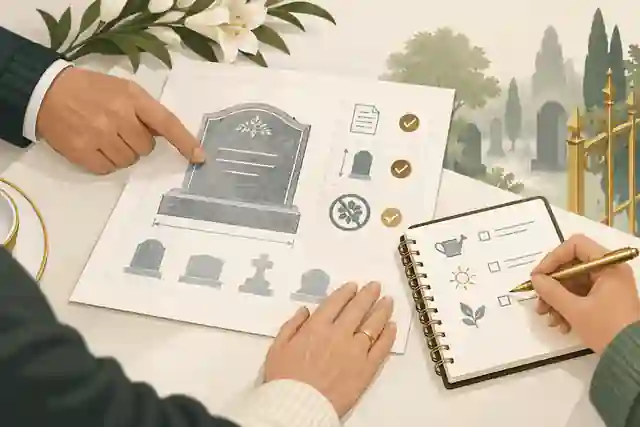
What happens at a viewing? Practical etiquette and support
A practical, compassionate guide to what happens at a viewing, what to say, what to wear, whether to view the body, and how etiquette differs across Australia, the UK and the US.

What happens at a viewing? Practical etiquette and support begins with knowing that a viewing is usually a quiet time before a funeral, memorial service or burial when mourners can see the person who has died, offer sympathy messages to the family, pause for private farewell and understand the tone of the wider funeral etiquette expected on the day.
For most Australian, United Kingdom and United States families, what happens at a viewing is simple in shape but emotionally significant: guests arrive respectfully, sign in if there is a condolence book, approach the family briefly, decide whether to view the body, spend a short time in reflection, and leave without drawing attention. You are not required to say something perfect, touch the coffin or casket, stay for a long time, or view the body if that would be distressing.
What happens at a viewing before a funeral?
A viewing, also called a visitation in many parts of the United States and sometimes a chapel viewing, wake or time of paying respects in Commonwealth contexts, is usually less formal than the funeral service itself. The body may be present in an open or closed coffin or casket. Family members may stand near the entrance, sit together nearby, or move between guests. The atmosphere may be quiet, religious, conversational, or gently informal depending on culture, faith, venue and family preference.
The first practical step is to read the funeral notice carefully. Families often use notices or memorial pages to share the time, venue, dress guidance, flowers or donation preferences, livestream arrangements, and whether a later burial, wake or private gathering follows. Evaheld Memorials already explains funeral detail sharing, and that same principle helps guests avoid phoning the family repeatedly during an already difficult week. In the United States, the FTC Funeral Rule is also a useful reminder that funeral-related goods and services are regulated differently from ordinary events, especially around itemised prices and disclosures.
When you arrive, enter quietly, silence your phone and follow the flow of the room. Some venues have ushers or funeral staff who will show you where to go. Others are arranged more like an open room where people come and go. If there is a guest book, write your name clearly and add one short line if you wish. If you know only one branch of the family, include how you knew the person, because families often read these notes later when they are ready.
How a viewing usually unfolds
Although customs differ, many viewings follow a recognisable pattern. Guests arrive within a set window rather than all at once. They greet the family briefly, perhaps with a handshake, hug or quiet words, then move towards the coffin or casket if they choose. Some people stand for a moment, say a prayer, bow their head, place a hand on the casket if invited by custom, or simply sit nearby. Others do not approach the body at all. That is acceptable. The purpose is presence, not performance.
In Australia, the term viewing can refer to a private or semi-private appointment before the service, while a wake usually means a gathering after the funeral. In the United Kingdom, families may speak of visiting the person at the funeral home, chapel of rest or family home before the funeral, while the wake is commonly the gathering afterwards. In the United States, visitation and viewing are often used for scheduled calling hours before the funeral, with the wake sometimes carrying religious or cultural meaning. These language differences matter because guests should not assume that every invitation means the body will be visible.
If you are unsure whether to attend, ask yourself whether your presence will comfort the family or honour your connection with the person. A viewing can be appropriate for relatives, close friends, colleagues, neighbours, club members, faith community members and anyone the family has invited. If the notice says private family viewing, do not attend unless personally invited. If the notice says all welcome, you may attend even if you were not extremely close, provided your behaviour is considerate.
Consumer and official guidance is useful when the viewing is connected to wider funeral planning. In Australia, the ACCC funeral services information encourages families to understand funeral service choices and costs, while in the United Kingdom, GOV.UK guidance after a death explains the administrative steps that may sit behind the public funeral arrangements. These practical layers are usually invisible to guests, which is why gentle patience matters.
What to say to the family
The best sympathy messages at a viewing are short, specific and not demanding. You can say, I am so sorry for your loss, I am grateful I knew her, He was very kind to me, or I worked with him at the hospital and wanted to pay my respects. If the family does not know you, introduce yourself simply. If words fail, say that honestly. It is better to be brief and sincere than to reach for a phrase that explains grief away.
Avoid lines that minimise loss, such as at least they lived a long life, everything happens for a reason, or I know exactly how you feel. You may intend comfort, but these phrases can make a bereaved person feel corrected or rushed. If you have a longer memory, save it for the wake, a card, a message or a memorial page where the family can receive it when they have capacity. Evaheld Memorials has separate what to say when someone dies practical sympathy messages for people who want wording that is gentle without becoming rehearsed.
Grief also affects concentration, memory and physical energy. Healthdirect grief and loss information notes that grief can affect mental and physical health, while the Better Health Channel grief overview explains that people grieve differently and may experience strong waves of feeling around funerals, anniversaries and memories. At a viewing, that means the family may repeat themselves, forget your name, cry, seem calm, or be unable to talk for long. None of those reactions need fixing.
Do you have to look at the body?
No. A viewing gives you the opportunity to see the person who has died, not an obligation. Some people find seeing the body helps them accept the reality of the death. Others prefer to remember the person as they were in life. Children, traumatised relatives, people with complicated grief, and those who have not seen a dead body before may need more preparation. If you are attending with a child, explain plainly and gently what they might see, then let them choose within the boundaries the family sets.
If you do approach, move slowly and give others space. Do not comment on the person’s appearance unless you are very close to the family and your words are genuinely comforting. Do not take photographs unless the family has explicitly requested or allowed them; in many families this would feel intrusive. The body may look peaceful, altered, made up, or simply still. A viewing is not the moment to analyse medical details, ask how the death happened, or compare this funeral with another.
Some faiths and cultures encourage open viewing, washing, prayers, vigils, rosaries or specific gestures of respect. Others avoid viewing the body or restrict who may be present. The safest approach is to follow the funeral director, faith leader or family’s instructions. The Australian Government inclusive language guidance is a useful wider reminder that respectful wording should fit cultural, family and identity context rather than assuming one default.
What to wear to a viewing
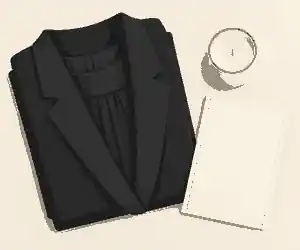
For most viewings, choose neat, modest clothing in dark, muted or restrained colours unless the family asks for something else. A suit is not always necessary, but the outfit should show that you understand the occasion. In warm weather, breathable fabrics are fine. For outdoor or cemetery settings, wear practical shoes. If the family requests bright colours, a team scarf, a cultural garment or a favourite colour, follow that request with care. Evaheld Memorials has a destination-specific article on funeral clothing etiquette for cultural traditions, outdoor venues and family requests, and a separate note on funeral colors besides black etiquette for respectful services.
The main mistake is treating a viewing as either a normal social call or a fashion event. Avoid noisy jewellery, strong fragrance, slogans, very casual sportswear, beachwear, party clothing or anything likely to distract. In some Asian, Hindu, Buddhist, Muslim, Jewish, Christian, First Nations or other cultural settings, colour and modesty expectations can differ significantly. If you are unsure, ask quietly before the day or choose the most restrained option.
Phones, photos and social media
Keep your phone silent and out of sight unless you need it for accessibility, transport, childcare or a family-approved livestream. Do not photograph the body, the room, flowers, family members or mourners without permission. Do not post about the death, viewing or funeral until the family has made the death public. Even a well-meant tribute can reach relatives before they have been told privately.
For online participation, follow the same etiquette. Join on time, mute yourself, dress respectfully, and avoid screenshots. If the viewing is connected to a livestreamed service, Evaheld Memorials has guidance on virtual funeral etiquette and compassionate hosting. The National Institute on Aging end-of-life care guidance also reinforces that families often need quiet, practical support around death, not extra pressure created by avoidable digital mistakes.
How long should you stay?
At an open visitation, ten to thirty minutes is often enough unless you are close family, helping with hosting, travelling with someone vulnerable, or invited to stay longer. At a private appointment, follow the time arranged by the funeral home or family. If there is a queue, keep your greeting brief. If the family seems tired, let them rest. If the room is quiet and you are unsure what to do, sitting silently for a few minutes is a valid act of respect.
If you arrive late, enter quietly. If you must leave early, do so without drawing attention. There is no need to apologise at length. Many people attend viewings around work, travel, caregiving or health constraints. What matters is that your presence reduces strain rather than increasing it.
Flowers, cards, donations and condolence books
Check the notice before bringing flowers. Some families welcome flowers at the funeral home or family home. Others request donations, no flowers, or contributions to a cause. In some settings, flowers may not be customary, appropriate or wanted. If you bring a card, keep the message simple and sign it clearly. A specific memory is often more meaningful than a polished phrase.
If there is a condolence book, write legibly. Families often use these books later to understand who came, send thanks, or keep a record of community support. If an online memorial is available, you may be able to leave a tribute there instead or as well. Evaheld Memorials explains how tributes and condolences work, including why moderation can be helpful when many people are contributing at different times.
In the United States, USAGov death guidance is useful for families handling death certificates, agencies and survivor benefits. In the United Kingdom, families may also need the separate GOV.UK death registration guidance. Guests do not need to raise those tasks at a viewing unless the family asks for practical help.
Children, accessibility and people who cannot attend
Children can attend a viewing if the family welcomes them, the child is prepared in plain language, and there is an adult focused on their needs. Do not force a child to view the body. Let them know they can step outside, ask questions or draw a picture instead of speaking. The Dougy Center children’s grief resources offer age-aware support for grieving children, and Child Bereavement UK provides specialist support for bereaved young people and families.
Accessibility also matters. If you are helping an older relative, someone with disability, or someone anxious about attending, check parking, seating, toilets, stairs, hearing loops, lighting and how close they will need to be to the body. If you cannot attend, send a card, message, voice note or online tribute. Absence is not disrespectful when distance, illness, caregiving, finances or emotional safety make attendance impossible.
Planning a viewing as a family
If you are arranging the viewing, decide early whether it is private, invited or open. Confirm whether the body will be viewed, whether the coffin or casket will remain open, who will greet guests, whether children are expected, and how long the room will be available. Write down any cultural, faith or family preferences so funeral staff can support them accurately.
Families may also want to prepare a small table with a photograph, candle where allowed, flowers, memory cards or a condolence book. Evaheld Memorials has practical memory table planning ideas for those details. If relatives are contributing online, consider moderating condolence messages carefully so the memorial remains supportive rather than overwhelming.
Some families keep the viewing deliberately small because home addresses, private grief, family conflict or safety concerns make public attendance unsuitable. Evaheld Memorials explains keeping the memorial private until you are ready, a principle that also applies to viewing details: not every funeral-related invitation belongs in public search or social media.
For people shaping words around the viewing, service or memorial page, memorial tribute writing support can help turn stories into a clear tribute without expecting one person to carry every memory alone. Public memorial profiles such as Desmond Tutu, Queen Elizabeth II and Aretha Franklin show how remembrance can hold public story, family language and condolence space in one place without making every detail public.
After the viewing
After a viewing, guests may go home, attend the funeral service, travel to a burial or crematorium chapel, or join a wake or refreshments. The viewing itself may bring relief, sadness, numbness or unexpected calm. None of these reactions is wrong. The NHS grief and bereavement guidance notes that grief can affect feelings, behaviour and everyday functioning, so it is reasonable to rest afterwards rather than rushing back into ordinary tasks.
A thoughtful final step is to send a short message after the funeral period, not just before it. Many families receive a rush of support at the viewing and funeral, then silence. A note two weeks later, a cooked meal, help with transport, or a specific memory can matter. If your family wants one shared place for condolences, photos, service updates and memories, Evaheld Memorials can help you begin what happens at a viewing as part of a wider remembrance space that continues after the day itself.


FAQs
What happens at a viewing? Practical etiquette and support
A viewing is a quiet opportunity to pay respects, greet the family briefly, decide whether to see the person who has died, and leave a condolence or memory without needing perfect words. If the family has shared service details online, funeral detail sharing can help guests follow the right time, place and privacy expectations, while the FTC Funeral Rule explains why funeral arrangements in the US carry specific consumer protections.
Do I have to view the body at a viewing?
No. You may attend, offer sympathy and sit quietly without approaching the coffin or casket. Families should make room for different grief responses, and keeping the memorial private until you are ready reflects the same principle of choice and emotional pacing; Healthdirect grief and loss information also explains that grief affects people differently.
What should I say at a viewing?
Say something brief, sincere and low-pressure, such as that you are sorry for the loss or that you are grateful you knew the person. Evaheld Memorials has what to say when someone dies practical sympathy messages, and the Better Health Channel grief overview is a reminder that people may respond with tears, calm, silence or fatigue.
What should I wear to a funeral viewing?
Wear neat, modest clothing in dark or muted tones unless the family asks for something specific, and choose practical shoes if the viewing connects to a graveside or outdoor service. Funeral clothing etiquette for cultural traditions, outdoor venues and family requests gives more detail, while the Australian Government inclusive language guidance supports respectful choices across cultural and family contexts.
Can I take photos at a viewing?
Do not take photos of the person, coffin, casket, family, flowers or room unless the family has clearly invited it. Online and livestreamed services need the same care, so virtual funeral etiquette and compassionate hosting is relevant, and the National Institute on Aging end-of-life care guidance shows why privacy and quiet support matter around death.
How long should I stay at a viewing?
At an open viewing, many guests stay ten to thirty minutes unless they are close family or helping host. If you want to leave a longer memory, memorial tribute writing support can help you shape it for later, and NHS grief and bereavement guidance recognises that grief can affect energy and concentration.
Should children attend a viewing?
Children can attend when the family welcomes them, they are prepared in simple language, and an adult is ready to step outside with them if needed. A memory display can give children another way to participate, and memory table planning ideas can help families create gentle options; the Dougy Center children’s grief resources provide age-aware support.
What is the difference between a viewing, visitation and wake?
A viewing usually means the body may be present, visitation often means scheduled time with the family, and wake can mean either a vigil or a gathering after the funeral depending on country, faith and family usage. Online updates can reduce confusion, and funeral detail sharing helps families label each event clearly; GOV.UK guidance after a death shows how public arrangements often sit beside administrative steps.
How can I leave condolences if I cannot attend?
Send a card, message, voice note, flowers if appropriate, donation if requested, or online tribute. Evaheld Memorials explains how tributes and condolences work, and USAGov death guidance is useful for US families balancing condolences with practical notifications and documents.
How should families keep a viewing respectful online?
Share only the details invited guests need, avoid public home addresses unless appropriate, moderate messages, and state whether livestream links or recordings are private. Moderating condolence messages carefully can protect the tone of a memorial, while Child Bereavement UK shows why sensitive support matters when children, young people or parents are grieving.