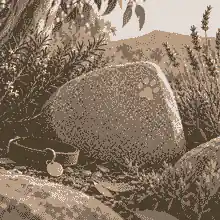
What happens if a QR plaque scratches? Cemetery checks, materials and setup
A practical guide to scratched QR memorial plaques, including scanning checks, safe cleaning, replacement, cemetery approval, materials and link continuity.
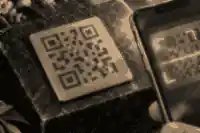
If a QR plaque scratches, first test whether the digital memorial still opens, then check the physical code for dirt, glare, contrast loss and damage to the corner finder squares before replacing anything. Cemetery checks, materials and setup matter because a lightly scratched plaque may still scan, while a deep scratch through key code areas, a fading printed surface, poor placement or an unapproved mounting method can make replacement or reinstallation necessary.
This article explains what happens if a qr plaque scratches for families in Australia, the United Kingdom and the United States. The practical answer is not simply to buy a new plaque. A QR memorial has two parts: the physical plaque outdoors, and the online memorial destination behind it. If the page is still live, the priority is to preserve the same destination while restoring scan reliability.
what happens if a qr plaque scratches: practical guidance
Start with the least invasive check. Open the saved memorial URL from an email, order record or family message. If it loads, the online tribute is still available and the scratch is a physical scanning problem. Evaheld Memorials covers this same distinction in replacing a damaged QR memorial plaque, where the central issue is preserving the memorial link even if the marker changes.
Next, test the plaque in even light. QR codes are designed with error correction, and DENSO WAVE explains that QR Code error correction can restore data when a code is dirty or damaged, but this tolerance is not unlimited. A small surface scratch through ordinary data modules may still scan. A deep scratch across a corner alignment square, severe fading, glare or low contrast can stop a phone from recognising the symbol.
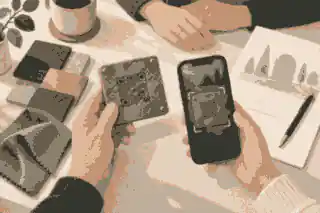
Use two phones if possible. Apple explains how to scan a QR code with your iPhone or iPad, so most visitors should not need a special app. If one phone scans and another does not, the plaque may be marginal rather than failed. Clean the camera lens, move closer and farther away, shade the plaque with your body, and avoid direct low sun.
What A Scratch Actually Does To A QR Plaque
A QR code is not read like ordinary text. The camera looks for contrast, square geometry and the three larger finder patterns in the corners. A light scratch that does not remove contrast may be harmless. A scratch that reflects sunlight, fills with dirt, cuts through a finder pattern, removes a printed layer or exposes a corroding substrate is more serious.
This is why material matters. Families comparing the best materials for QR memorial plaques should ask whether the code is laser-marked, etched, engraved, printed under a coating, fired into ceramic or laminated. Printed vinyl can fail through UV exposure, edge lifting and surface abrasion. Laser-marked stainless steel, ceramic and properly finished bronze or aluminium generally give a stronger physical base, but no material is immune to impact, poor installation or harsh cleaning.
Material science also varies by environment. The Bureau of Meteorology provides Australian climate information that helps explain why heat, direct UV, rain and coastal humidity affect adhesives, coatings and metals differently across cemetery sites. In the United States, NIST has published research on stainless steel corrosion in soil environments, a reminder that stainless is corrosion resistant, not magically permanent in every exposure.
Cemetery Checks Before You Touch The Plaque
Before removing, replacing, drilling or bonding a QR plaque, ask the cemetery or memorial garden what is permitted. In Australia, cemetery and crematoria rules are set by states, territories and individual cemetery trusts; Victoria Health states that families must apply before building or altering a memorial. In England, GOV.UK’s guidance on protecting groundwater from human burials illustrates that cemetery operators work within environmental and site-management rules, even when the family sees only one plaque. In the United States, the National Cemetery Administration has separate rules for headstones, markers and medallions in veterans cemeteries.
Evaheld Memorials has a dedicated explanation of cemetery rules for QR codes because many rulebooks do not name QR codes directly. They usually regulate attachments, alterations, drilling, adhesives, plaque dimensions, maintenance access and visual standards. A scratched plaque might seem like a small repair, but replacing it can still count as an alteration.
Ask five questions in writing: may we replace the existing QR plaque, may we keep the same size and location, may we use adhesive or must a stonemason install it, are there approved materials or finishes, and does the cemetery need proof before work starts? This is especially important for lawn sections, columbarium niches, historic graves, religious cemeteries and public memorial gardens.
Safe Cleaning And Scratch Assessment
Do not scrape a QR code with a blade, metal brush or abrasive pad. The National Park Service’s Technical Preservation Services explains that preservation guidance is built around protecting historic fabric and appropriate treatment standards, and its Technical Preservation Services approach is a useful caution for families: preserve the surface first. For a QR plaque, the code pattern is the information-bearing surface.
Use a soft dry cloth first. If the supplier allows water, use clean water and a soft cloth, then dry the plaque. Avoid bleach, acidic cleaners, household scourers, metal polish on coated QR areas and pressure washing. If the plaque is bronze, aluminium, ceramic or stainless steel, follow the maker’s instructions because coatings and laser marks respond differently.
If adhesive is involved, surface preparation matters. 3M’s guidance on VHB tape surface preparation explains that surfaces should be clean and dry, that pressure helps adhesive contact, and that bond strength builds over time. That matters when a replacement plaque is being attached to polished granite, metal niche doors or smooth stone.
Placement, Size And Scan Reliability
A scratch is more likely to become a real problem when the plaque was already difficult to scan. Poor placement can exaggerate small defects. A QR plaque should have enough size, contrast, quiet zone, flatness and visitor access. Evaheld Memorials explains where a QR code can be placed on a headstone so it remains respectful and practical.
Good placement avoids edges where mowers, shoes, flower holders or cleaning tools can strike the plaque. Lower corners are common, but they must still be reachable and visible. On memorial benches, niches and garden markers, choose a position that is not rubbed by visitors, irrigation, metal fixtures or soil movement. Recessed installation can protect edges, but it usually needs stonemasonry approval.
Size also matters. Tiny codes leave less margin for scratches, dirt and distance. A larger code with good contrast and a stable quiet zone is more forgiving. If a family is replacing a scratched plaque, it is sensible to ask whether the replacement can be slightly larger or better positioned, provided cemetery rules allow it.
Materials: What To Choose If Replacement Is Needed
If replacement is necessary, match the material to the location. Stainless steel is often chosen for corrosion resistance and clear laser marking. Ceramic can suit traditional cemetery aesthetics and resist UV well, but it may crack if struck or poorly mounted. Bronze can look dignified beside existing plaques, but surface patina and cleaning methods must be considered. Aluminium can work well when properly anodised and marked, but the grade and finish matter.
Families asking how long QR memorials usually last should think in two lifespans: the physical marker and the digital destination. A physically durable plaque is still weak if the linked page moves, disappears or cannot be administered later. Conversely, a stable digital page can survive a scratched plaque if the replacement can preserve the same URL.
Consumer rights differ by country. In Australia, the ACCC’s consumer rights and guarantees explain baseline expectations when products or services fail to meet guarantees. In the UK, consumer remedies come through a different legal framework, and in the US, warranty and consumer protection rules vary by state as well as federal enforcement. Keep supplier promises in writing, including what happens if the code stops scanning.
Digital Continuity: Keep The Same Memorial Link
The most important technical question is not whether the old plaque can be restored. It is whether the replacement can point to the same memorial destination. A QR code is a printed or engraved route to a URL. If the online page stays live and the replacement code uses the same destination, family bookmarks, funeral stationery and older shared links continue to make sense.
That is why updating QR memorial content over time is a separate decision from changing the plaque. The best setup lets a family update photos, stories, tribute details and privacy settings without changing the physical code. If the URL must change, ask whether redirects are available before ordering any permanent marker.
Privacy also matters. A QR plaque is public in the sense that people at the memorial can see it, but the linked content may be controlled. Evaheld Memorials explains private versus public QR memorials, which is useful when families want the plaque to exist without exposing every photograph, guestbook entry or family detail to casual visitors. The UK ICO’s right to erasure guidance also shows why online personal information needs thoughtful administration, even though memorial contexts and legal duties vary.
Security, Scams And Safe Scanning
Scratches are not the only risk. A damaged or replaced plaque should never invite improvised fixes such as sticking an unknown QR label over the original without verifying the destination. The FTC’s information on phishing scams is relevant because QR codes can direct people to web pages, and families should know exactly where a memorial code leads.
Evaheld Memorials covers QR memorial safety in more depth. A safe QR memorial uses a trusted destination, avoids sensitive information, keeps admin access secure and makes it easy for family managers to update or moderate content. The US Consumer Financial Protection Bureau’s fraud and scams information is a wider reminder to avoid publishing details that could help impersonation, financial abuse or identity misuse.
Future-Proofing The Memorial Before Damage Happens
Families often think about scratches only after the first problem. A better approach is to plan for eventual maintenance from the beginning. Evaheld Memorials explains future-proofing a QR memorial: keep the memorial URL, admin access, order records, replacement artwork, cemetery approval notes and a recent photo of the installed plaque in one shared family record.
A QR plaque can also link to more than a simple biography. The kinds of content a memorial QR code can open may include life stories, photographs, tribute messages, video, service details, donation information and family memories. That makes continuity important. If the plaque is damaged, families are protecting not only a code but the accumulated record behind it.
Public memorial examples show why digital memorials need both resilience and restraint. Princess Diana is remembered across public history, humanitarian work and family memory; Steve Jobs shows how a life story can connect innovation, personal milestones and public influence; Stephen Hawking demonstrates how photographs, biography and legacy can sit together in a structured memorial. Most families are not creating a public historical archive on that scale, but the principle is the same: the linked memorial should remain understandable years later.
Australia, UK And US Differences Families Should Know
Australia: cemetery rules are highly local. State and territory law, cemetery trust rules, monument mason requirements and climate all shape what is allowed. Australian families should ask about material suitability for UV, rain, coastal conditions and whether the cemetery permits adhesive plaques, drilled fixtures or recessed inlays.
United Kingdom: cemetery and churchyard rules may depend on local authorities, parish rules, faculty permission, conservation status and memorial safety policies. UK families should avoid assuming that a plaque allowed in one burial ground will be accepted in another. Written approval is especially important for churchyards and historic settings.
United States: cemetery rules can be private, municipal, religious, state or federal. Veterans cemeteries have distinct rules. Families should ask whether the site allows aftermarket plaques, whether a monument company must install them, and whether the marker can be placed on a headstone, grave marker, niche, bench or separate memorial object.
A Practical Setup Checklist
- Choose a durable material and marking method before thinking about design.
- Confirm cemetery approval for size, placement, finish and attachment.
- Test the QR code on multiple phones before installation.
- Install only on a clean, dry and suitable surface.
- Keep the memorial URL, order records and replacement file.
- Use a stable memorial page that can be updated without changing the plaque.
- Set privacy and contribution controls before broad sharing.
- Keep a gentle cleaning method in writing from the plaque provider.
- Review the plaque after storms, maintenance work or visible impact.
- If scratches appear, test the destination first and document the damage before replacing anything.
What To Record Before Ordering Or Replacing
Good weatherproofing is not only about the plaque. It is also about the records that let a family act calmly later. Photograph the installed plaque from close range and from normal visitor distance. Save the exact memorial URL, the order number, supplier contact details, artwork proof, cemetery approval, installation date and any warranty wording. If a replacement is needed years later, these details reduce the chance of a wrong QR destination, a different size, or a delayed cemetery approval.
Also record the practical site conditions. Note whether the plaque faces full afternoon sun, coastal salt air, irrigation, heavy shade, falling leaves, mower traffic or frequent flower-vase movement. A plaque that scratches repeatedly may be in the wrong location, not simply made from the wrong material. If the cemetery allows a revised position, moving the replacement away from impact and cleaning paths can be more useful than ordering the same item again.
When several relatives are involved, nominate one administrator for the memorial page and one contact for the cemetery or stonemason. Shared family decisions are important, but maintenance can stall when nobody knows who holds the login, the approval email or the supplier proof. Clear responsibility helps the memorial remain cared for without turning every small scratch into a family-wide emergency.
Finally, decide what level of imperfection is acceptable. Outdoor memorials age. Patina, minor marks and gentle weathering can sit comfortably with a grave or niche. The threshold for action should be readability, dignity, safety and compliance, not the expectation that a public outdoor object will look new forever.
The calmest outcome is a setup where the plaque can be replaced without losing the memorial itself. If your family wants to plan what happens if a qr plaque scratches before installation, what happens if a qr plaque scratches can begin with an Evaheld Memorials page that keeps the story, tributes and sharing destination together.

FAQs
What happens if a QR plaque scratches? Cemetery checks, materials and setup
A scratched QR plaque may still scan if the damage is light, but it needs checking in shade, with more than one phone, and against the saved memorial URL before replacement. Preserve the destination first, then use replacing a damaged QR memorial plaque alongside DENSO WAVE’s QR Code error correction explanation to understand when damage becomes serious.
Can a scratched QR plaque still scan?
Yes, a lightly scratched QR plaque can still scan when contrast and the corner finder squares remain readable, but heavy scratches, glare or fading may stop recognition. The practical test is to compare the plaque with where a QR code can be placed on a headstone and Apple’s guidance to scan a QR code with your iPhone or iPad.
Should I clean a QR memorial plaque before replacing it?
Yes, gentle cleaning should come before replacement, but avoid abrasive tools, blades and harsh chemicals unless the supplier specifically approves them. Families comparing the best materials for QR memorial plaques should also follow preservation-minded caution from Technical Preservation Services.
Do I need cemetery permission to replace a scratched QR plaque?
Usually you should ask first, because replacement may count as a memorial alteration even if the new plaque is the same size. Evaheld Memorials explains cemetery rules for QR codes, and Victoria Health guidance on building or altering a memorial shows why local approval matters.
What material is best if a QR plaque needs replacing?
Laser-marked stainless steel, ceramic and well-finished bronze or aluminium are usually more durable than printed labels, but the best choice depends on cemetery rules, climate, finish and installation. For lifespan planning, compare how long QR memorials usually last with NIST research on stainless steel corrosion in soil environments.
Can the same memorial link be used on a replacement plaque?
Often yes, and preserving the same URL is usually the most important part of replacement because family shares, bookmarks and printed material continue to work. The difference between changing content and changing the code is covered in updating QR memorial content over time, while 3M’s VHB tape surface preparation guidance helps with physical reattachment.
Can a QR plaque be private if it is physically visible?
The plaque is visible at the memorial site, but the linked page can often be managed with privacy settings, limited sharing or careful content choices. Evaheld Memorials explains private versus public QR memorials, and the ICO’s right to erasure guidance is a useful reminder that online personal information needs proper governance.
How do I avoid QR plaque scams or wrong replacement links?
Only use a verified replacement file or provider record, and scan the proof before installation to confirm it opens the intended memorial. For broader safety, combine QR memorial safety with the FTC’s guidance on phishing scams.
How can families future-proof a QR memorial against scratches?
Keep the memorial URL, order records, cemetery approval, QR artwork and admin access in a shared family record so replacement is easier if the plaque is damaged. Evaheld Memorials covers future-proofing a QR memorial, and the CFPB’s fraud and scams information reinforces why families should avoid oversharing sensitive details.
What should the QR plaque link to after replacement?
The replacement should usually link to the same stable memorial page, not a temporary file or a new page that fragments family memories. Evaheld Memorials explains the kinds of content a memorial QR code can open, while GOV.UK’s protecting groundwater from human burials guidance is a reminder that memorial choices sit inside managed cemetery environments.