Derek's Place: Creating Lasting Memories & Family Support
A compassionate overview of Derek's Place grants and how families can preserve memories during terminal illness.
Last Updated: June 24, 2026
When a parent is living with a terminal illness, families often need more than one kind of help at the same time. There may be medical appointments, reduced income, children asking hard questions, funeral decisions that feel too early, and a deep wish to make the time left feel less dominated by illness. Derek's Place exists for that kind of moment. It is an Australian charity focused on families where a parent has a terminal illness and there is at least one child under 13.
This article explains what Derek's Place says it can support, how its memory-making and funeral assistance grants work, what families may need before applying, and how a digital memorial can sit beside that support without replacing the charity's process. The practical details here are based on the official Derek's Place family grant information and broader palliative care, bereavement and death administration resources current on 29 April 2026.
Evaheld does not control Derek's Place, assess applications, set grant amounts or speak for the charity. Use the official Derek's Place website for eligibility, application and payment details.
What is Derek's Place?
Derek's Place is a registered Australian charity created to support terminally ill parents, their partners and young families. Its current public family information describes two practical forms of financial help: making memories grants and funeral assistance grants. The charity says it offers grants of up to $1,000 for eligible families with a terminally ill parent and a child under 13.
The word support matters here. Derek's Place is not simply offering a symbolic gesture. The charity's published process is designed around real costs that can arrive when a family is already stretched: accommodation for a final family break, a special experience, or a funeral invoice that needs to be paid directly to a provider. On its official charity website, Derek's Place also describes itself as volunteer run and states that funds raised are used towards its vision of supporting terminally ill parents, partners and young families.
That combination of emotional and practical help is why the charity often appears in conversations about memory-making. For children, a day away, a recorded story, a photo album, a familiar ritual or a shared meal can become part of how they understand the parent they love.
Who may be eligible for Derek's Place grants?
The current Derek's Place family information says the grant is for a family with a terminally ill parent and a child or children under 13. It also says applications can be made by anyone on behalf of the family, even before the family has chosen how to use the grant.
The core document listed by Derek's Place is a letter on letterhead from a treating doctor, nursing unit manager or social worker. That letter needs to confirm that the intended grant recipient has a diagnosed terminal illness and is the parent of a child or children under 13. Because eligibility and funding settings can change, check the official Derek's Place application criteria before gathering documents or telling a family what they can receive.
A grant application is not a substitute for palliative care planning, estate planning, Centrelink or Medicare updates, guardianship decisions, funeral arrangements or mental health support. Australian families may find Healthdirect palliative care information and Palliative Care Australia explanation useful around the grant.
How do memory-making grants work?
Derek's Place says making memories grants can help families create meaningful experiences. The charity's current page explains that once a family has decided what they want to do, Derek's Place will work with them to arrange direct payments for the selected activity or accommodation. That wording is important because families should not assume the grant is paid as unrestricted cash.
A memory-making grant might support a short stay, a family outing, a simple activity close to home, or another experience that fits the family's energy, health needs and timing. The best choice is often not the most elaborate. A good memory-making plan respects the ill parent's comfort as much as the family's hopes.
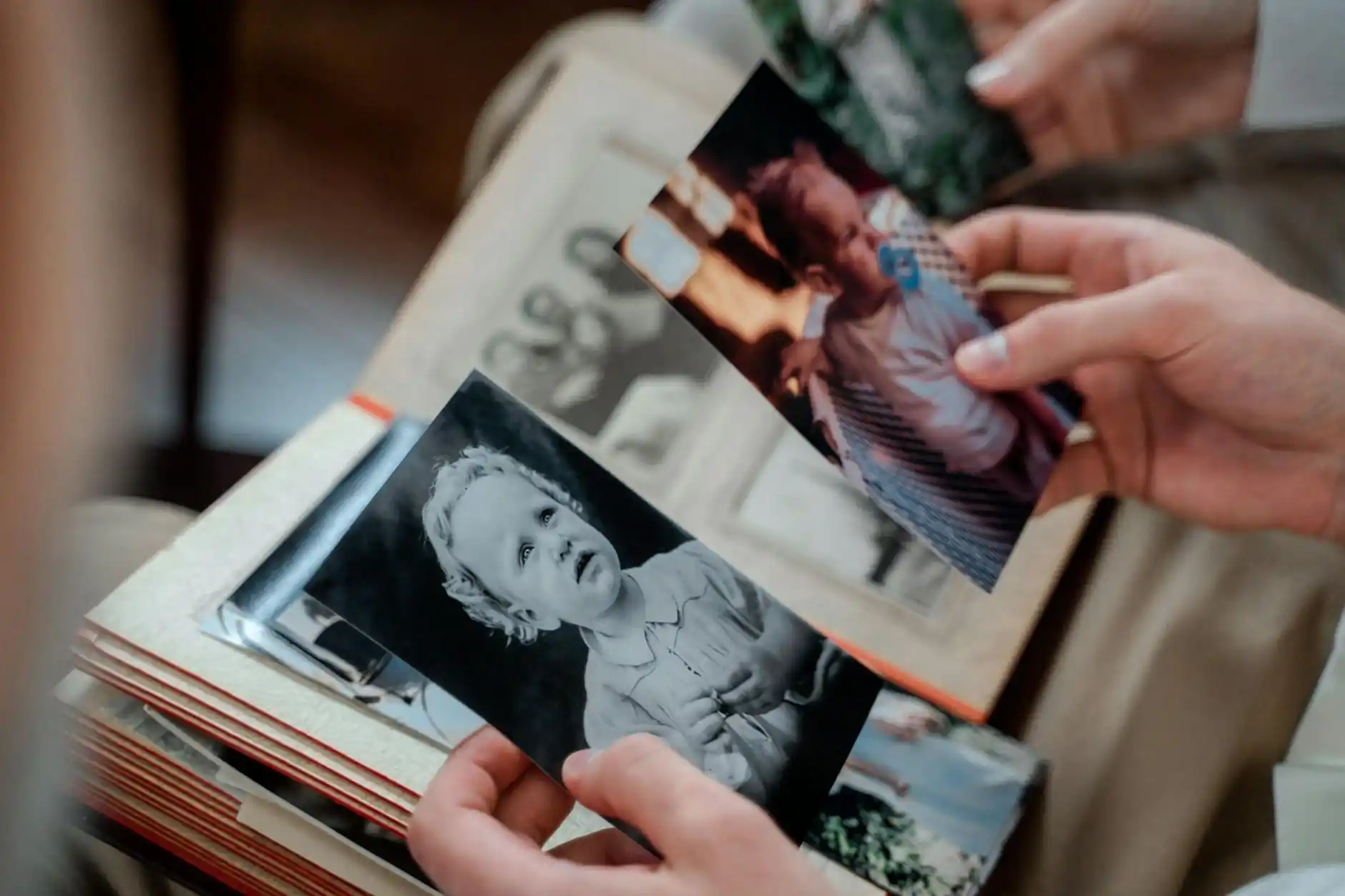
Photos, voice notes, recipes, handwritten messages, favourite songs and small stories can make one experience last longer. If a family creates a keepsake table or gathers photos, turning farewell objects into living memories can help shape those materials into something children can revisit without pressure.
How does funeral assistance work?
Derek's Place also describes funeral assistance grants. Its current family information says the funeral provider should send an invoice made out directly to Derek's Place, and the charity will make payment within the period specified on the invoice. Families should confirm all invoice, timing and email requirements directly with Derek's Place before promising a funeral director that support is confirmed.
Funeral assistance sits inside a wider set of tasks. In Australia, families may need to register a death, obtain a death certificate, notify agencies and contact financial institutions. Services Australia's death checklist sets out national steps, and who to tell when someone dies explains notification details.
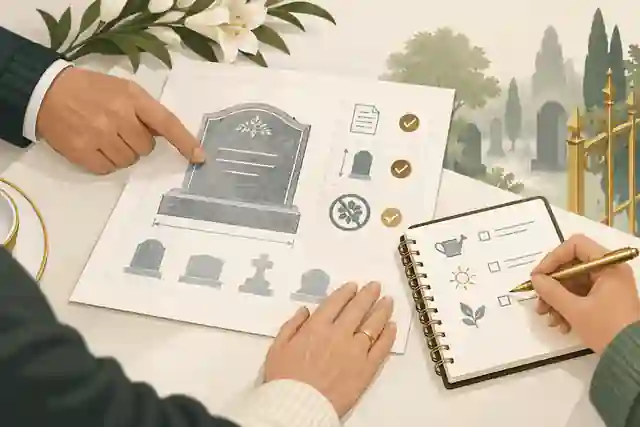
Planning a funeral while a parent is still alive can feel confronting, but it can also reduce uncertainty later. Families comparing services, flowers, venue costs, cremation or burial may find funeral planning cost questions useful.
What should families prepare before applying?
Start with the official Derek's Place requirements. The medical or social work letter is the key item listed publicly, and it should be on letterhead. Keep a secure folder for names, children's ages, treating team details, the family representative, and any notes about the intended activity or funeral provider.
Do not delay applying simply because the family has not chosen a memory-making activity. Derek's Place says applicants do not need to know how they would like to use the grant.
At the same time, families can start a parallel memory folder. Add photos, short video clips, voice recordings, favourite sayings, recipe notes, stories from friends, funeral wishes if they have been shared, and small details about the parent's everyday life. Evaheld's online memorial creation process can later turn those materials into a structured memorial, while the memorial starting information explains what details are useful at the beginning.
Why preserving memories matters for children
Children do not grieve like adults, and they do not absorb serious illness in one neat conversation. They may ask direct questions, return to play, become clingy, seem angry, or appear fine until a routine changes. MedlinePlus guidance on talking with children recommends honest, age-appropriate explanations when a parent has a terminal illness. The Cancer Council Victoria advice on children and cancer also emphasises clear language, reassurance and support around routines.
Memory-making is not about forcing a child to perform sadness. It is about giving them safe, concrete ways to know the person. A recorded bedtime message, a favourite joke, a note for a future birthday, a playlist, a family recipe, a photo with context, or a story about what the parent loved can become a bridge between the child's present and future understanding.
Research and clinical writing also support the value of careful memory work near end of life. A study on parents' experiences of memory making discusses how memory-making can form part of bereavement support around serious illness. Professional discussions such as talking with children about a parent's serious illness also highlight the need for developmentally appropriate support rather than silence.
How can a family use Evaheld Memorials alongside Derek's Place?
Evaheld Memorials is separate from Derek's Place, but the two needs can naturally sit beside each other. Derek's Place may help an eligible family fund an experience or funeral cost. Evaheld can help the family preserve what matters from that experience: photos, stories, messages, music, videos, funeral details, tributes and a life story that can be shared privately or publicly.
For a parent facing terminal illness, a memorial does not need to wait until after death. Some families create a private space first, add memories slowly, invite trusted relatives, and decide later what becomes public. The private memorial setting can help families keep control while emotions and plans are still changing.
If a family wants a gentle place to collect memories, they can start preserving family memories in one place. They can also review Memorials plan options before deciding whether a free, funeral tribute or shared tribute setup fits the family's needs.
What should go into a memorial for young children?
A memorial for young children should be concrete, warm and easy to revisit. Long biographies can be useful for adults, but children often connect with small details: the parent greeting the dog, the song played in the car, the pancakes made on Sundays, the way they cheered at sport, or the phrase they used before school. These details become identity anchors later.
Useful inclusions include a short life story, a photo timeline, voice or video clips, messages from relatives, favourite places, a playlist, funeral details, and a section where family members can leave tributes. Evaheld's life story obituary templates and step-by-step eulogy writing can help adults find language.
Families can also include boundaries. Some children may not want everything public. Some relatives may need moderation. Some stories may be better saved privately until a child is older. family and friend invitations and tributes and condolence messages explain how contribution can happen without turning the memorial into an unmanaged public space.
How should families talk with children about terminal illness?
There is no perfect script, but secrecy often creates more fear. Children notice hospital visits, whispered calls, tired adults and changes in routine. the National Cancer Institute's advanced cancer communication advice encourages honest communication with family and children, while Winston's Wish serious illness support focuses on helping children and young people when someone important is seriously or terminally ill.
Use plain words. Say that the parent is very ill, explain what the child can expect next, and correct fears that the illness is the child's fault. Give children permission to ask again later. If the family has a social worker, palliative care nurse, counsellor, school wellbeing contact or GP, ask for help planning the conversation.
Memory-making should be offered, not imposed. A child might want to draw a picture, choose photos, record questions, make a playlist, or simply sit near the parent and watch television. The point is connection, not a perfect keepsake.
What support exists beyond the grant?
Derek's Place can help with specific eligible grant support, but families often need a wider network. Palliative care teams can help with symptoms, practical planning and family support. Healthdirect's anticipatory grief information explains grief before death, which many partners, children and relatives experience while the person is still alive.
For bereavement support, Griefline's national grief support listing is a useful Australian starting point for adults, and the National Centre for Childhood Grief focuses on bereaved children and families. Red Nose bereavement support is relevant where families are affected by the death of a baby or young child.
The Services Australia death of a loved one hub brings together payment, notification and practical information. None of these resources replaces medical or legal advice, but together they can help a family build a more stable support map.
Checklist for families considering Derek's Place
- Check the current Derek's Place family page before relying on eligibility, grant amounts or payment steps.
- Confirm that the family includes a terminally ill parent and at least one child under 13.
- Ask the treating doctor, nursing unit manager or social worker for the required letter on letterhead.
- Apply even if the family has not yet chosen the exact memory-making activity.
- For funeral assistance, confirm invoice instructions with Derek's Place and the funeral provider.
- Start collecting photos, stories, messages and recordings while people still have the energy to contribute.
Related Evaheld Memorials guidance
Families working through derek's Place: Creating Lasting Memories & Family Support often need a few connected decisions in one place: best materials for QR memorial plaques, how long QR memorials last, replacing damaged QR memorial plaques, updating QR memorial content, how private and public QR memorial setups differ. These related guides help the article sit inside a fuller memorial planning path rather than leaving each decision isolated.
For Evaheld Memorials product details, the most useful companion pages are how quickly can I create an online memorial, plans with private memorial options, subscription or one-time memorial plans, free vs shared tribute plans, information needed to start a memorial. They explain setup, privacy, contribution and sharing choices before a family invites others into the memorial.
FAQs about derek's Place: Creating Lasting Memories & Family Support
What should families know about Derek's place?
When a parent is living with a terminal illness, families often need more than one kind of help at the same time. There may be medical appointments, reduced income, children asking hard questions, funeral decisions that feel too early, and a deep wish to make the time left feel less dominated by illness. Derek's Place exists for that kind of moment. It is an Australian charity focused on families where a parent has a terminal illness and there is at least one child under 13.
Start with the practical facts, then leave room for memory, emotion and family preferences. how quickly can I create an online memorial can help you organise the Evaheld Memorials side, while Healthdirect grief support gives families wider context before decisions feel rushed.
How can the tribute feel personal and authentic?
A respectful plan usually combines clear information, gentle language and a way for close people to contribute at the right time. plans with private memorial options supports that shared approach, and Services Australia guidance after a death is a useful reminder that grief affects people differently.
When is the right time to begin writing or gathering memories?
Begin as soon as the task would reduce pressure rather than add to it. Families often start with a simple memorial draft, then refine details over time using subscription or one-time memorial plans; USA.gov steps after someone dies can also help with the first administrative steps after a death.
Who should contribute stories and check important details?
The closest organiser should usually guide the final decisions, but relatives and friends can help with stories, photos and checks. free vs shared tribute plans explains how collaboration can work, while GOV.UK guidance after a death outlines broader steps families may need to consider.
Can an online memorial bring the finished tribute together?
Yes. A memorial page can hold service details, photos, tributes, updates and a lasting place to return to after the immediate arrangements are over. information needed to start a memorial shows how quickly that can begin, and National Institute on Aging end-of-life guidance offers trusted context for bereavement care.
How can sensitive family information be handled respectfully?
Keep sensitive information out of public copy, review contributions before publishing and choose privacy settings before sharing widely. best materials for QR memorial plaques explains private memorial options, while Better Health grief information gives practical consumer context around funeral and memorial decisions.
Which photos, notes and records are useful to keep nearby?
Keep the memorial URL, service details, donation preferences, key family contacts and any relevant documents in one place. how long QR memorials last helps families compare plan needs, and FTC funeral rule information can support cost and planning conversations.
How can relatives add their own memories?
Invite people to contribute specific memories, photographs or messages, then review everything before it appears publicly. replacing damaged QR memorial plaques explains tribute and condolence controls, while ACCC funeral services information offers supportive guidance for people coping with loss.
What common writing and storytelling mistakes should be avoided?
Avoid rushing public details, copying private messages without permission or turning the page into a list of tasks. updating QR memorial content helps families understand free and paid options, and SAMHSA coping tips is useful when funeral-related decisions need clear consumer information.
How can Evaheld Memorials preserve the finished story?
Evaheld Memorials gives families a guided place to create, edit, share and preserve a tribute as needs change. how private and public QR memorial setups differ keeps the memorial grounded in practical setup, while Moneysmart funeral costs guidance helps families think about comfort and care beyond the page itself.
If you want a calm place to organise memories, tributes, photos and family contributions, create a lasting Evaheld Memorials tribute for your family.
What matters most about Derek's Place: Creating Lasting Memories & Family Support
Derek's Place matters because it recognises a difficult truth: when a parent is terminally ill, families may need practical help and memory-making support at the same time. Its published grants can help eligible families with meaningful experiences or funeral costs, and its process is designed so another person can apply on the family's behalf.
The safest next step is to verify details on the official Derek's Place website, gather the listed letter, and ask questions before assuming how payment will work. Alongside that, families can quietly protect the stories, voices and photos children may need later. A memorial does not remove grief, but it can give children and relatives a steady place to return to the person beyond the illness.
When the family is ready, they can create a shared memorial for future memories and add stories at a pace that respects everyone involved. They can also browse public memorial examples or return to the Evaheld Memorials home experience when they want to understand the product first.