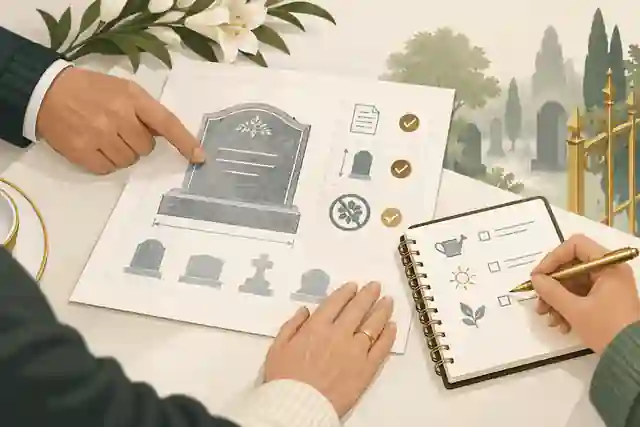
Digital Memorials & Virtual Tributes: Ideas and Tools
A practical hub for digital memorials, virtual tribute tools, online memorial pages, livestreams, guestbooks and privacy choices.

Last Updated: June 24, 2026
Digital memorials and virtual tributes give families one place to gather memories when people are separated by distance, health, timing or different ways of grieving. The best option is rarely the flashiest tool. It is the one that helps relatives share photos, funeral details, stories, condolences and future updates without losing control of privacy or asking one person to manage every message alone.
This hub explains the main choices: online memorial pages, tribute guestbooks, livestreamed services, QR memorials, photo and video tributes, digital memory archives and privacy settings. It also points to practical Evaheld Memorials resources so you can move from a broad question to the right next step.
What are digital memorials and virtual tributes?
A digital memorial is an online space created to remember someone who has died. It may include a life story, photos, videos, funeral details, music, guest messages, donation information, a QR code link or a private family archive. A virtual tribute is usually a specific remembrance activity, such as an online condolence wall, a video montage, a livestreamed funeral, or a shared album for people who cannot attend in person.
The distinction matters because families often need both. An online memorial page can become the lasting home for the person’s story, while virtual tributes can support a particular week, service, anniversary or family project. For a deeper starting point, Evaheld Memorials explains what an online memorial includes and how online memorial pages work in more detail.
Australian families also need practical boundaries. Privacy, consent and account security are not side issues when personal photos, names, dates and grief messages are involved. The OAIC privacy rights resource explains individual privacy rights, while OAIC social media privacy is useful when deciding what belongs on social platforms and what should stay in a more controlled memorial space.
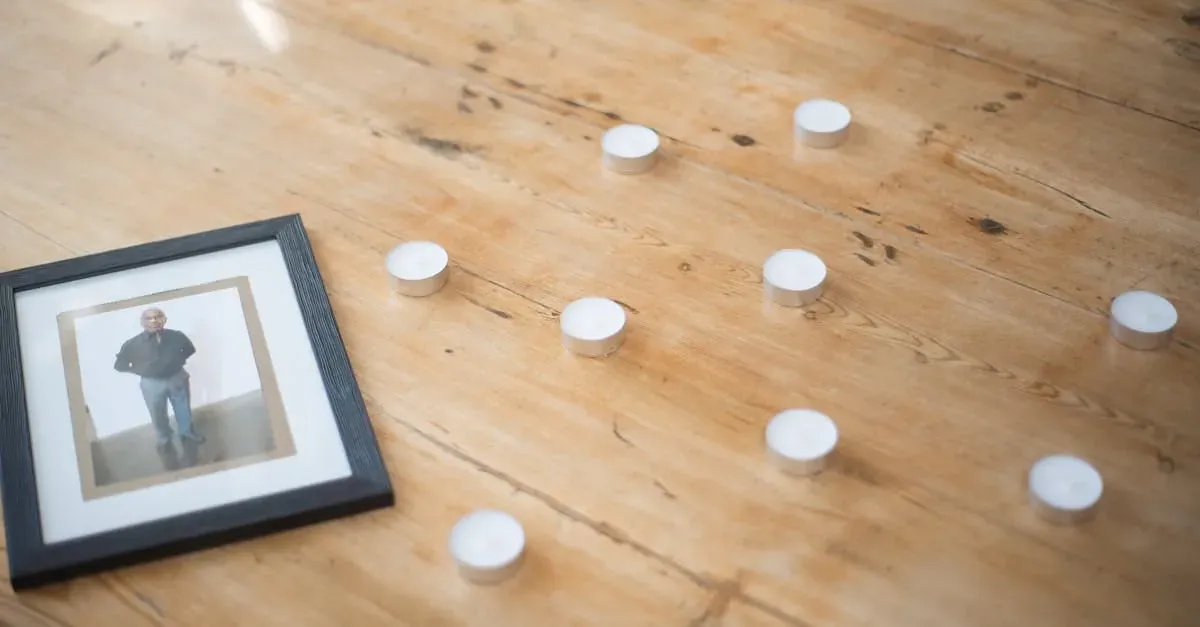
Which online memorial page tools matter most?
Most families do not need a complicated publishing system. They need a clear profile, an easy way to add memories, a respectful place for guest messages, and sharing controls that match the family’s wishes. Start with the essentials: the person’s name, dates if the family wants them public, a short life story, service information if relevant, a photo selection, and a way for invited people to contribute.
Evaheld Memorials is built around that simpler path. Families can use creating an online memorial quickly, gather information needed to start, and then decide whether to keep the memorial private while it is being prepared. When relatives want to compare formats, the difference between an obituary, a tribute page and a memorial space is unpacked in differences between memorials, obituaries and tribute pages.
Think of the memorial page as the stable centre. Social posts disappear quickly, group chats become hard to search, and email threads can exclude people unintentionally. A dedicated memorial gives everyone a single place to return to after the funeral, on birthdays, during anniversaries, and when younger family members ask about the person later.
How should families choose privacy settings?
Privacy should be decided before invitations go out. A public memorial may be appropriate when the person was widely known or the family wants friends, colleagues and community members to find it easily. A private memorial may be better when there are children, sensitive family circumstances, unwanted contact risks, or a preference to share only with invited people.
The Australian Cyber Security Centre defines ACSC privacy settings definition as controls for how data is shared, and its advice on ACSC passphrase advice and ACSC multi-factor authentication advice is relevant when more than one person will help manage the memorial. eSafety’s eSafety online safety basics also reinforces the value of privacy controls and careful personal information choices.
Evaheld Memorials has specific guidance on private and public online memorial choices and keeping a memorial private before sharing. A practical approach is to begin private, invite a small group of trusted contributors, review the content, and only then decide whether a wider public version feels right.
What can a virtual tribute include?
A virtual tribute can be simple: a message wall, a short video, a shared playlist, a photo gallery or a collection of stories arranged by theme. It can also support the funeral itself through livestream details, digital orders of service, readings, or a tribute video for people watching remotely. The key is to choose formats that make participation easier, not heavier.
For comments and condolence messages, set expectations early. Tell guests whether short memories, longer stories, photos, or private family notes are welcome. Evaheld Memorials covers moderating memorial comments and tributes and condolences on a memorial, which helps families avoid the common problem of an open guestbook becoming hard to manage at an emotional time.
For media, keep quality and permission in mind. A phone video may be more meaningful than a polished edit if it captures the person’s voice or humour. At the same time, not every family photo should become public. When adding media, adding videos and music to memorials can help you decide what belongs in the memorial and what should remain in a private family collection.
How do livestreams and QR memorials fit in?
Livestreams help people attend a funeral or memorial service when travel, illness, visas, cost, age or caregiving duties make attendance difficult. A livestream is usually time-bound, so families should decide whether it will be recorded, who may receive the viewing link, and whether the recording will later sit inside the memorial. NSW Government advice on NSW funeral arranging advice is useful context when coordinating service choices with a funeral director.
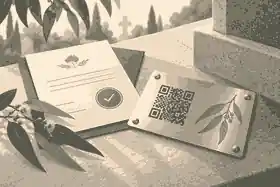
QR memorials do something different. A QR code can connect a physical place, such as a headstone, plaque, program or memory table, to an online memorial. That can be powerful because people visiting later can still find stories, photos and messages. Evaheld Memorials explains how QR codes on headstones work, and families comparing options can check QR memorial plaque plan.
The technical rule is simple: the QR destination should be stable. Avoid linking a QR code to a temporary file, a private chat, or a page controlled by only one person’s social account. Use a memorial URL that can be managed, updated and reviewed over time.
What digital memories should families preserve?
Start with items that are hard to recreate: voice notes, short videos, handwritten letters, scanned photographs, recipes, captions, stories behind objects, service recordings and messages from people who knew the person at different life stages. A digital memorial does not need every file. It needs enough context for future readers to understand why each memory matters.
Good archiving is selective. Name files clearly, keep originals backed up, and avoid uploading private documents that include financial, medical or identity details. The ACSC’s ACSC personal cyber security resources and ACSC easy online security steps are helpful for families thinking about backups, account access and device security. If there are concerning messages or online abuse around a death, eSafety’s eSafety evidence collection explains how to keep records.
Evaheld Memorials also covers downloading memorial content. That step matters because families often realise later that they want a personal copy of tribute messages, photos or funeral details, separate from any live memorial page.
A practical checklist for choosing digital memorial tools
- Decide whether the memorial should begin private, public, or invitation-only.
- Choose one main memorial URL before sending invitations or printing QR codes.
- Nominate at least one trusted co-manager so the work does not sit with one grieving person.
- Gather photos, dates, service details and a short life story before asking for wider contributions.
- Set a comment policy: public tributes, moderated messages, family-only notes, or a mix.
- Keep sensitive documents, private addresses and identity details out of public memorial content.
- Use strong account security, including unique passphrases and multi-factor authentication.
- Save a copy of important memories outside the publishing platform.
- Check funeral, cemetery or venue rules before relying on livestreaming or QR placement.
- Review the memorial after the service, then update it for anniversaries or new family memories.
When is Evaheld Memorials a good fit?
Evaheld Memorials is a good fit when the family wants a respectful online memorial without building a website from scratch or relying only on social media. It suits families who want to create a central tribute, invite contributions, manage privacy, share funeral details, preserve memories, and make the memorial easier to find later through Evaheld Memorials Explore.
You can review Evaheld Memorials plans, browse the Evaheld Memorials help centre, or visit the Evaheld Memorials resource library for related planning topics. The Evaheld Memorials homepage is the natural starting point if you already know you want one shared place for the person’s story.
If the family is ready to begin privately and shape the tribute step by step, create a respectful digital memorial with family input.
Related Evaheld Memorials guidance
Families working through digital Memorials & Virtual Tributes: Ideas and Tools often need a few connected decisions in one place: how long online memorials last, how updates will be handled over time, who controls an online memorial, how guests leave messages on memorial pages, how to moderate online memorial comments. These related guides help the article sit inside a fuller memorial planning path rather than leaving each decision isolated.
For Evaheld Memorials product details, the most useful companion pages are information needed to start a memorial, family and friend memorial collaboration, private memorial sharing choices, tributes and condolences on a memorial, quick online memorial setup. They explain setup, privacy, contribution and sharing choices before a family invites others into the memorial.
FAQs about digital Memorials & Virtual Tributes: Ideas and Tools
What should families know about digital memorials & virtual tributes?
Digital memorials and virtual tributes give families one place to gather memories when people are separated by distance, health, timing or different ways of grieving. The best option is rarely the flashiest tool. It is the one that helps relatives share photos, funeral details, stories, condolences and future updates without losing control of privacy or asking one person to manage every message alone.
Start with the practical facts, then leave room for memory, emotion and family preferences. information needed to start a memorial can help you organise the Evaheld Memorials side, while FTC funeral rule information gives families wider context before decisions feel rushed.
How can an online tribute feel personal and respectful?
A respectful plan usually combines clear information, gentle language and a way for close people to contribute at the right time. family and friend memorial collaboration supports that shared approach, and ACCC funeral services information is a useful reminder that grief affects people differently.
When should a family create or review the memorial?
Begin as soon as the task would reduce pressure rather than add to it. Families often start with a simple memorial draft, then refine details over time using private memorial sharing choices; SAMHSA coping tips can also help with the first administrative steps after a death.
Who should manage the page and approve contributions?
The closest organiser should usually guide the final decisions, but relatives and friends can help with stories, photos and checks. tributes and condolences on a memorial explains how collaboration can work, while Moneysmart funeral costs guidance outlines broader steps families may need to consider.
What content belongs on the memorial page?
Yes. A memorial page can hold service details, photos, tributes, updates and a lasting place to return to after the immediate arrangements are over. quick online memorial setup shows how quickly that can begin, and Healthdirect grief support offers trusted context for bereavement care.
How can families control privacy and sharing?
Keep sensitive information out of public copy, review contributions before publishing and choose privacy settings before sharing widely. how long online memorials last explains private memorial options, while Services Australia guidance after a death gives practical consumer context around funeral and memorial decisions.
Which account details and backups should be retained?
Keep the memorial URL, service details, donation preferences, key family contacts and any relevant documents in one place. how updates will be handled over time helps families compare plan needs, and USA.gov steps after someone dies can support cost and planning conversations.
How can relatives contribute safely?
Invite people to contribute specific memories, photographs or messages, then review everything before it appears publicly. who controls an online memorial explains tribute and condolence controls, while GOV.UK guidance after a death offers supportive guidance for people coping with loss.
What common online memorial mistakes should families avoid?
Avoid rushing public details, copying private messages without permission or turning the page into a list of tasks. how guests leave messages on memorial pages helps families understand free and paid options, and National Institute on Aging end-of-life guidance is useful when funeral-related decisions need clear consumer information.
How does Evaheld Memorials support long-term preservation?
Evaheld Memorials gives families a guided place to create, edit, share and preserve a tribute as needs change. how to moderate online memorial comments keeps the memorial grounded in practical setup, while Better Health grief information helps families think about comfort and care beyond the page itself.
If you want a calm place to organise memories, tributes, photos and family contributions, create a lasting Evaheld Memorials tribute for your family.
What matters most about Digital Memorials & Virtual Tributes: Ideas and Tools
The strongest digital memorials and virtual tributes are calm, clear and manageable. Choose one stable memorial home, decide privacy before inviting people, keep sensitive details out of public view, and use virtual elements only when they help people participate meaningfully. When you are ready to bring photos, stories, guest messages and family sharing into one respectful place, begin a private online memorial with Evaheld Memorials.
Related Evaheld resources
Continue with these carefully selected Evaheld Memorials guides and answers.