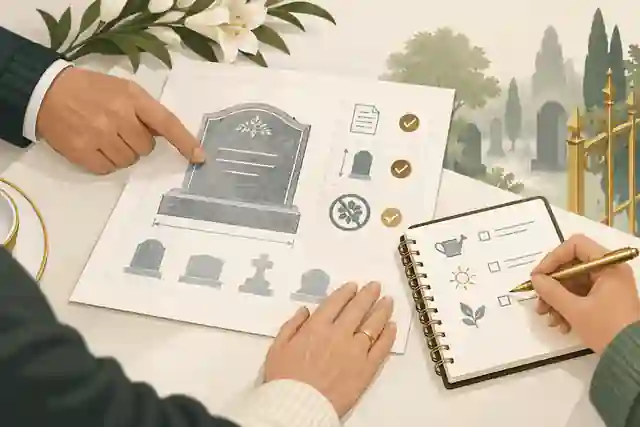
Can an Online Memorial Be Private? Privacy Options Explained
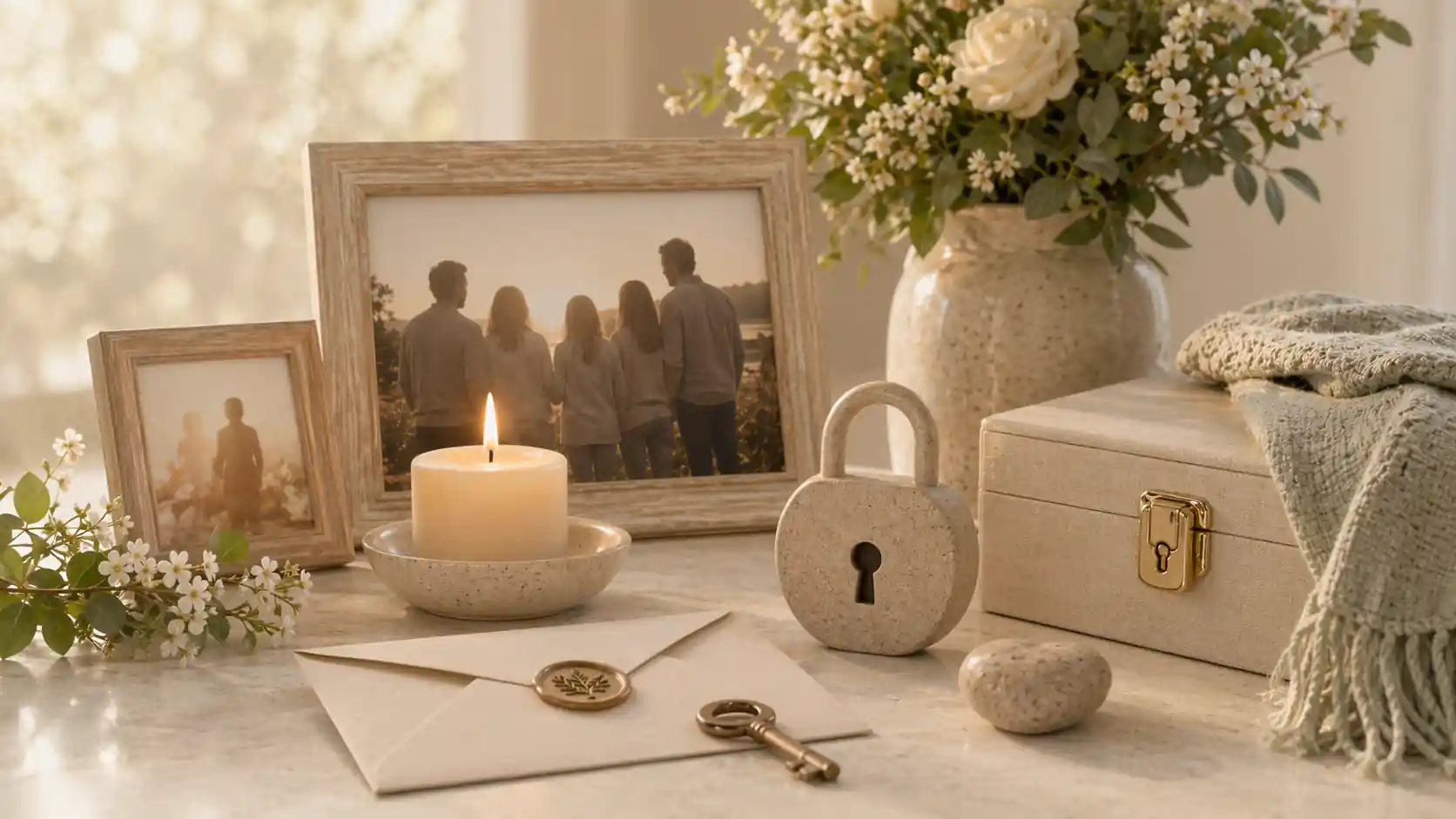
Private online memorials let families decide who can view, contribute to and share a tribute page.
Last Updated: June 24, 2026
Yes. An online memorial can be private, shared only by direct link, limited to invited contributors, or made fully public depending on the platform and plan you choose. For many families, that privacy control is not a minor setting. It is the difference between creating a calm space for grief and feeling exposed before they are ready.
Evaheld Memorials makes that distinction especially clear. Its public pricing and plan materials show that the free memorial includes directory visibility, while paid plans add a private memorial option, contributor invites, moderation controls, and the ability to save or remove content over time. That means families can choose whether a memorial should be openly discoverable or shared more carefully with selected people.
Public memorials, private links, and invite-only sharing
A public memorial is the easiest option when a family wants friends, neighbours, former colleagues, and a wider community to find the page easily. Public pages can support condolences, tributes, service information, and donations in one place, and they may also appear in a searchable directory or search engine results depending on the platform settings.
A private memorial works differently. Instead of being openly discoverable, it is shared deliberately. Sometimes that means only people with the direct link can view it. In other cases, the organiser can invite specific contributors or keep submissions under review before anything appears publicly. Evaheld's own plan catalogue is helpful here because it distinguishes directory visibility from private memorial options rather than treating privacy as vague marketing language.
This is often the better fit when the loss is recent, family circumstances are sensitive, or the organiser wants time to confirm wording, photographs, and contributor access before a wider audience can see the page. It can also help when relatives disagree about how much personal information should be online.
What password protection usually means in practice
Families often ask for password protection when what they really want is controlled access. A password can be one way to do that, but it is not the only model. In practice, memorial privacy usually falls into a few levels: fully public, unlisted but shareable by direct link, invite-only collaboration, moderated contributions, or a more tightly restricted private page. The right choice depends on how open the family wants the memorial to be and how much administration the organiser is comfortable managing.
If your main concern is strangers finding the page through search, then direct-link sharing or a true private memorial setting is usually more important than simply adding more content controls. If your concern is unwanted messages, then moderation and contributor review matter more. If your concern is family coordination, then invitation tools and clear admin roles become the deciding features.
These choices reflect broader digital privacy guidance as well. The Office of the Australian Information Commissioner, the U.S. Federal Trade Commission, and the eSafety Commissioner all stress that names, images, and personal details should be shared thoughtfully online. Memorials often include exactly that kind of sensitive information.
How search visibility and guest permissions affect grief
Search visibility changes the emotional experience of a memorial. A page that appears publicly can be helpful when the goal is broad community participation. It allows distant friends and acquaintances to find service details, leave condolences, and understand how to support the family. But it also means the family may receive attention from people they did not expect, or feel pressure to have every detail polished immediately.
A private or unlisted memorial gives families more room to move at their own pace. They can share the page with close relatives first, gather stories and photos, and decide later whether they want broader visibility. This slower approach often feels kinder in the earliest days of grief, when concentration is low and decisions feel heavier than usual. The National Institute on Aging notes that grief can affect judgement, energy, and emotional resilience, which is one reason privacy defaults matter so much in memorial planning.
Guest permissions matter just as much as visibility. Some families want anyone with the link to leave a tribute. Others want every message reviewed before it appears. Evaheld's paid plans include moderation controls and review tools, which are practical safeguards if you expect many contributors or want to prevent accidental oversharing. That kind of moderation is especially important when a memorial contains children's names, private family stories, medical details, home addresses, or service logistics that should not circulate widely.
Decision guide for choosing the right privacy level
Choose a public memorial if your priority is easy discovery, broad condolences, and a tribute page that relatives and community members can find without asking for the link. Choose a private memorial or optional directory visibility if your priority is control, slower sharing, and the ability to decide later whether the page should be more visible.
- Choose public if you want the memorial discoverable, expect broad community participation, and are comfortable with names, photos, and tribute details being easier to find.
- Choose direct-link sharing if you want a simple way to include friends and relatives without placing the page in public browsing.
- Choose invite-only or moderated access if several people will contribute and you want review before stories, comments, or media appear.
- Choose stronger privacy controls if there are family conflicts, vulnerable relatives, minors, sensitive circumstances, or service details that should stay limited.
Checklist: what not to publish publicly unless the family agrees
- Full home addresses, private phone numbers, or personal email addresses.
- Detailed service logistics that are meant only for invited attendees.
- Information about children or vulnerable relatives that does not need to be public.
- Highly personal stories, medical details, or family conflicts shared without consent.
- Photo galleries that include people who may not want their images online.
- Access details that could make a private remembrance space effectively public.
If you are deciding between privacy levels, it can help to compare how an online memorial page works, what to include in one, and how long the content may remain accessible over time. Evaheld also answers related privacy questions directly in its FAQ, including which plan lets you make a memorial private, whether a memorial stays private until you are ready to share, and whether all memorials in Explore are public.
The most reassuring approach is usually this: start with the narrowest level of sharing that still helps your family, then widen access only if that continues to feel right. If you want a memorial that can begin privately and be adjusted over time, create an Evaheld Memorial and choose the privacy level that matches your family today.
Related Evaheld resources
- Are all memorials on the Explore page public?
- Which Evaheld Memorials plan lets me make a memorial private?
- Will my memorial stay private until I am ready to share?
- Can I search for a memorial by name?
- Why can I not find a memorial in the directory?
Helpful guidance for the next step
For a clearer view of the choices connected with this topic, read How do online memorial pages work?, Online memorial vs obituary vs tribute page, What to include in an online memorial, How to create an online memorial, and How long do online memorials last? These guides offer practical context for deciding what feels appropriate for your family.
Authoritative sources
- OAIC: social media and online privacy
- FTC: how to protect your privacy on social media
- eSafety Commissioner: photo and video sharing
- National Institute on Aging: coping with grief and loss
- National Cyber Security Centre: social media and your online identity
Related Evaheld Memorials guidance
Families working through Can an Online Memorial Be Private? Privacy Options Explained often need a few connected decisions in one place: how to add funeral details to memorial pages, adding donation links to memorials, How to Create an Online Memorial for a Pet, human composting forest path memorial idea for Evaheld Memorials — visual about What should families ask before choosing recomposition? for What Is Human Composting by Evaheld Memorials, How to Find an Online Memorial or Death Notice. These related guides help the article sit inside a fuller memorial planning path rather than leaving each decision isolated.
For Evaheld Memorials product details, the most useful companion pages are how quickly can I create an online memorial, plans with private memorial options, subscription or one-time memorial plans, free vs shared tribute plans, information needed to start a memorial. They explain setup, privacy, contribution and sharing choices before a family invites others into the memorial.
FAQs about Can an Online Memorial Be Private? Privacy Options Explained
Can an online memorial be private?
Yes. An online memorial can be private, shared only by direct link, limited to invited contributors, or made fully public depending on the platform and plan you choose. For many families, that privacy control is not a minor setting. It is the difference between creating a calm space for grief and feeling exposed before they are ready.
Start with the practical facts, then leave room for memory, emotion and family preferences. how quickly can I create an online memorial can help you organise the Evaheld Memorials side, while FTC funeral rule information gives families wider context before decisions feel rushed.
How can an online tribute feel personal and respectful?
A respectful plan usually combines clear information, gentle language and a way for close people to contribute at the right time. plans with private memorial options supports that shared approach, and ACCC funeral services information is a useful reminder that grief affects people differently.
When should a family create or review the memorial?
Begin as soon as the task would reduce pressure rather than add to it. Families often start with a simple memorial draft, then refine details over time using subscription or one-time memorial plans; SAMHSA coping tips can also help with the first administrative steps after a death.
Who should manage the page and approve contributions?
The closest organiser should usually guide the final decisions, but relatives and friends can help with stories, photos and checks. free vs shared tribute plans explains how collaboration can work, while Moneysmart funeral costs guidance outlines broader steps families may need to consider.
What content belongs on the memorial page?
Yes. A memorial page can hold service details, photos, tributes, updates and a lasting place to return to after the immediate arrangements are over. information needed to start a memorial shows how quickly that can begin, and Healthdirect grief support offers trusted context for bereavement care.
How can families control privacy and sharing?
Keep sensitive information out of public copy, review contributions before publishing and choose privacy settings before sharing widely. how to add funeral details to memorial pages explains private memorial options, while Services Australia guidance after a death gives practical consumer context around funeral and memorial decisions.
Which account details and backups should be retained?
Keep the memorial URL, service details, donation preferences, key family contacts and any relevant documents in one place. adding donation links to memorials helps families compare plan needs, and USA.gov steps after someone dies can support cost and planning conversations.
How can relatives contribute safely?
Invite people to contribute specific memories, photographs or messages, then review everything before it appears publicly. How to Create an Online Memorial for a Pet explains tribute and condolence controls, while GOV.UK guidance after a death offers supportive guidance for people coping with loss.
What common online memorial mistakes should families avoid?
Avoid rushing public details, copying private messages without permission or turning the page into a list of tasks. human composting forest path memorial idea for Evaheld Memorials — visual about What should families ask before choosing recomposition? for What Is Human Composting by Evaheld Memorials helps families understand free and paid options, and National Institute on Aging end-of-life guidance is useful when funeral-related decisions need clear consumer information.
How does Evaheld Memorials support long-term preservation?
Evaheld Memorials gives families a guided place to create, edit, share and preserve a tribute as needs change. How to Find an Online Memorial or Death Notice keeps the memorial grounded in practical setup, while Better Health grief information helps families think about comfort and care beyond the page itself.
If you want a calm place to organise memories, tributes, photos and family contributions, create a lasting Evaheld Memorials tribute for your family.
Related Evaheld resources
Continue with these carefully selected Evaheld Memorials guides and answers.