What is dignified online memorial hosting Australia? Australian planning, cemetery checks and options
A practical Australian guide to dignified online memorial hosting, cemetery checks, QR plaques, privacy, costs and AU/UK/US planning differences.

What is dignified online memorial hosting Australia? Australian planning, cemetery checks and options means creating a respectful digital memorial that can hold a person’s story, photos, tributes and practical farewell details while also checking cemetery, plaque, privacy and sharing requirements before anything permanent is printed, engraved or installed. For Australian families, the dignified choice is not simply the prettiest page or the toughest QR plaque; it is the combination of a stable memorial destination, thoughtful family control, cemetery approval where needed and clear options for relatives in Australia, the United Kingdom and the United States.
The phrase dignified online memorial hosting Australia usually appears when a family is trying to solve several problems at once. They may need one calm place for a life story, funeral updates, messages and photographs. They may also be considering QR plaques, a cemetery marker, a cremation memorial, a natural burial with limited physical marking, or a private tribute that should not appear publicly until the family is ready. In that situation, dignity comes from restraint, accuracy and consent: choose what belongs online, decide who may contribute, check physical memorial rules before ordering a plaque, and keep a copy of important words and images outside any single platform.
Dignified online memorial hosting Australia: what it should solve first
A good memorial page answers three needs. First, it gives people somewhere reliable to remember the person, especially when relatives are scattered across cities, states or countries. Second, it gives the organiser control over tone, privacy, corrections and updates. Third, it can connect the physical and digital parts of remembrance, such as a printed order of service, a funeral notice link or a QR plaque at a gravesite.
In Australia, the planning context matters. NSW Health explains that the storage, preparation, handling, exhumation and cremation of deceased persons are regulated through rules for the funeral industry and members of the public, so the practical side of farewell planning should sit beside any digital tribute rather than be treated as a separate afterthought. The NSW Health final-arrangements guidance is a useful reminder that the memorial page is only one part of a wider set of responsibilities.
Families also need to know who is handling official tasks. Service NSW states that a death must be registered and that a death certificate must be issued by the NSW Registry of Births, Deaths & Marriages; if a funeral company is appointed, the funeral director will usually register the death and apply for the certificate. That is separate from an online tribute, but the timing often overlaps, so it helps to keep service details, notices and document tasks in order. The Service NSW death and bereavement guidance is a practical starting point for notification and certificate questions.
An online memorial should not pretend to be a legal record, cemetery approval, will, death certificate or funeral contract. It should support the human side of remembrance while pointing the family towards the right formal checks. That is why many families begin with online memorial website in Australia guidance before deciding whether the page should be public, invite-only, QR-linked or kept private during the first draft.
Start with the purpose before choosing plaques, privacy or price
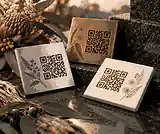
The most common mistake is choosing the physical QR product before deciding what the QR code should open. A QR code does not store a life story inside the square. It stores a destination address that a phone can open. If that address changes, is deleted, is locked behind the wrong login screen or leads to a page that feels unfinished, the best material will not rescue the experience.
Start by naming the page’s purpose. Some families need an immediate funeral information page. Others want a long-term life story with photographs, voice notes, written tributes and messages from friends. Some want a low-profile private space for close relatives only. Others want a public memorial that future friends can find. The NSW Government’s funeral-arranging guidance encourages families to consider options and compare services at a difficult time, which also applies to choosing digital memorial tools. Its guide to arranging a funeral emphasises reviewing options, costs and terms before committing.
The same principle applies online. Before publishing, agree on the audience, the tone, the administrator, the privacy setting and the content boundaries. A page can be warm without being overexposed. It can include a short biography, selected photographs, service details, tributes, music memories, donation preferences or a livestream link without publishing addresses, private family disagreements, sensitive medical history or children’s details. If the family is unsure how online remembrance differs from an obituary or a notice, how to create an online memorial thoughtfully gives a more complete setup path.
Before anyone starts drafting, it also helps to gather what information you need before starting a memorial, such as preferred name, dates, photographs, service details, family contacts, privacy preferences and any cemetery or QR plaque plans already under discussion.
Cost decisions should also be made early. MoneySmart’s current funeral planning information says funerals can cost from $8,000 to around $20,000 depending on the type of funeral chosen, and it explains that prepaid funeral plans, funeral bonds, superannuation and savings all work differently. Its paying for your funeral guidance is useful because digital memorial costs, QR plaque costs and cemetery fees are often small compared with burial, cremation and funeral provider costs, but they still need to be budgeted honestly.
Cemetery checks before QR plaques or headstone changes
If a QR plaque, marker, medallion or headstone addition may be installed in a cemetery, check the cemetery first. Do not assume a plaque is allowed because it is small, tasteful or removable. Rules often depend on the grave type, right of interment holder, memorial section, permitted materials, installation method, size, visual standards and whether a licensed monumental mason must lodge the application.
Victorian Health states that a person must apply to a cemetery trust before building or altering a memorial, that applications usually need a fee, a plan or design, and written consent from the right of interment holder where applicable. It also notes that a trust may refuse a memorial if it is unsafe, not sufficiently permanent, incompatible with cemetery policy or non-compliant with rules. Those principles make Victorian cemetery memorial approval guidance a strong model for the questions Australian families should ask in any state.
Western Australia shows the same practical pattern from another jurisdiction. The Metropolitan Cemeteries Board says a permit is required before monumental work is carried out and that monumental work includes erection or alteration of a headstone, plaque, inscription, kerbs, enclosures and other fixtures commemorating a grave. Its licensed monumental masons information is a reminder that families should use the cemetery’s authorised process rather than attaching a QR marker independently.
That is why cemetery rules for QR codes should be checked before artwork is finalised. Ask the cemetery or stonemason whether QR plaques are allowed, whether drilling is permitted, whether adhesive mounting is acceptable, whether a permit is needed, whether the right holder must approve the design, whether the QR detail can appear on a bronze plaque, granite panel, ceramic insert or stainless steel marker, and whether there are rules about wording, logos or trade names.
Families considering burial in WA should also note that rights and tenure can affect decisions. The Metropolitan Cemeteries Board explains that a Grant of Right of Burial is issued to one person, that the grantee can arrange burials, place cremated remains and erect monumental work, and that the grant is commonly issued for 25 years with renewal rights. The WA burial guidance shows why the person authorised to make cemetery decisions is not always the same person who created the online memorial.
Digital page first, QR plaque second
Once the family knows the page purpose and the cemetery position, the QR workflow is clearer. Build the memorial first, check the public or private access setting, test the page on a phone, confirm the exact destination, then create or order the QR code. This order avoids a common failure: printing a code that opens a draft, a temporary file, an expired link or a page that later moves.
The QR code itself should be treated as a functional access point, not decoration. The Bureau of Meteorology’s climate data is relevant because Australian outdoor memorials face very different combinations of UV exposure, heat, humidity, coastal air and seasonal rain depending on location. Families comparing outdoor plaques should consider the local climate, not just the product photo. The Bureau of Meteorology climate data service can help families think about exposure in practical terms before selecting materials.
The international QR code standard is ISO/IEC 18004, which defines QR Code bar code symbology. Most families do not need to read the technical standard, but the existence of the ISO QR Code specification reinforces a simple point: scan reliability depends on contrast, quiet space, square proportions, readable size and an undamaged pattern. A QR code that looks elegant but is too small, glossy, low contrast or distorted may fail at the graveside.
For outdoor memorials, best materials for QR memorial plaques generally means considering stainless steel, bronze, ceramic, anodised aluminium, laser marking, engraving depth, contrast, coatings, cleaning and whether the surface will remain readable after years of weather. The physical plaque and the hosted page have separate risks. A steel marker may last while the link fails; a stable memorial page may remain available while a cheap printed sticker fades. Dignified planning addresses both.
The family should test the final object, not only the digital file. Scan it with more than one phone, in daylight and shade, at the distance visitors will use, and after installation if possible. Make sure the first screen clearly identifies the person. If there is room, keep a plain short web address or name-based search path in the family’s private records so the memorial can still be found if a visitor cannot scan the code.
Privacy, family consent and contribution settings
Privacy is a dignity issue. A memorial can be public and respectful, but not every family detail belongs in public search results. Before publishing, decide what will be visible to anyone, what will be visible only to invited relatives, who can contribute, whether messages need moderation, and whether the memorial should appear in a public directory.
The Office of the Australian Information Commissioner explains that personal information is information or an opinion about an identified person or a person who is reasonably identifiable. The OAIC personal information guidance is written for living people’s privacy rights, but it is still a helpful framework for memorial decisions because photographs, family relationships, addresses, health details and stories may identify living relatives as well as the person who died.
Public QR memorials create a special privacy tension. A plaque is physically visible. Anyone who visits, photographs or shares the code may be able to open the linked content depending on settings. That does not make QR memorials unsafe, but it does mean the linked page should be designed for the real audience. Families unsure about access settings should compare private versus public QR memorials before deciding how much the QR scan should reveal.
Moderation also matters. A dignified memorial does not have to accept every message instantly. Large communities, public figures and sudden deaths can attract inaccurate, duplicated or insensitive comments. Moderated tributes allow the family to preserve warmth without leaving the page open to errors or harm. When mentioning a public figure, the same care applies. The memorial profiles for Olivia Newton-John, Steve Jobs and Princess Diana show how a visible memorial can focus on life story, public memory and respectful context without turning remembrance into a chaotic comment stream.
What a memorial QR code can open
A QR memorial can lead to more than a name and date. It can open a biography, photo gallery, guestbook, funeral details, livestream information, favourite readings, video tributes, audio memories, donation instructions, anniversary updates, family-approved stories or a short explanation of the person’s values. The best content is specific enough to feel human and restrained enough to feel safe.
For many families, what a QR memorial can actually link to becomes the design question that matters most. A graveside visitor may have only a few quiet minutes. The first screen should load quickly, identify the person and offer a clear path into the life story or tributes. Avoid autoplay sound, heavy files, confusing menus or content that requires visitors to create an account before they can understand what they scanned.
The page should also be editable. Families often discover better photographs months later, correct a date, add a service recording, include a grandchild’s memory, or remove a detail that no longer feels appropriate. A QR code can stay the same while the memorial content grows, if the code points to an editable memorial destination. That is why updating QR memorial content over time is more important than treating the first draft as final.
Longevity is not only a promise about hosting. It is a practice. Keep copies of the life story, original photos, video files, guestbook exports and plaque artwork. Record who controls the account. Keep contact information current. If the memorial provider offers one-time plans, subscription-free options or plaque-inclusive packages, understand what is included and what happens if a plaque is damaged, a family administrator dies, or the family later wants to change privacy settings. For the physical and digital lifespan together, how long QR memorials usually last is the question families should ask before buying, not after installation.
Australia, United Kingdom and United States differences
This article is primarily for Australia, but many memorial pages are read by relatives in the United Kingdom and United States. The emotional needs are similar; the official processes are not. Australian cemetery rules vary by state, territory, cemetery operator, right of interment and memorial type. A plaque that is acceptable in one lawn cemetery may be refused in another memorial garden. Always check the operator that controls the actual site.
In the United Kingdom, GOV.UK says a death must generally be registered within 5 days of confirmation from the medical examiner, or 8 days in Scotland, and the family receives a certificate for burial or cremation that must be given to the funeral director, crematorium or burial authority before the funeral can take place. UK relatives reading an Australian memorial may therefore understand death registration and funeral timing differently. The GOV.UK after-death guidance is the correct starting point for UK administrative steps.
In the United States, funeral consumer protections differ from Australia. The Federal Trade Commission explains that the Funeral Rule gives consumers the right to receive a general price list when asking about funeral arrangements, to choose the goods and services they want with some exceptions, and to use a casket bought elsewhere without the funeral provider refusing or charging a handling fee. The FTC Funeral Rule information is useful for US readers comparing funeral provider obligations, but it does not determine Australian cemetery or plaque rules.
Even within Australia, state differences are material. Victorian Health’s interments and memorials page says cemetery trusts approve applications for memorials in public cemeteries and may supply memorialisation goods and services. The Victorian interments and memorials overview should not be treated as a NSW or WA rule, but it shows the recurring Australian pattern: the cemetery authority controls memorial works at its own site.
Western Australia also shows that memorial options and prices vary. The Metropolitan Cemeteries Board explains that some memorials cost more because of maintenance, style, plaque type, location and capacity for commemoration. Its memorials frequently asked questions help families think beyond the QR code to the full memorial setting.
Buyer checks for dignified online memorial hosting Australia
Use a calm checklist before committing. For the digital page, check privacy controls, administrator access, contribution moderation, whether the memorial appears publicly, whether the page can be updated, whether content can be downloaded, what support is available and what happens if the family wants the page to stay private at first. For the QR code, check the exact destination, scan reliability, size, contrast, quiet space, fallback access and whether the code will keep working if the page content changes.
For the physical plaque, check material, installation method, warranty, cleaning, weather exposure, cemetery approval, right-holder consent, monument mason requirements, and whether a replacement plaque can point to the same memorial page. Consumer protection also matters. The ACCC says consumer guarantees are automatic and that products must be of acceptable quality, including being safe, durable, free from defects and fit for commonly expected purposes. The ACCC consumer guarantees guidance is a useful reference when a supplier makes durability, warranty or outdoor-use claims.
Finally, compare the payment model. Some families prefer a free public memorial first, then a private collaborative plan later. Some want QR plaques included. Some want a one-time payment instead of a recurring subscription. When pricing is part of the decision, whether Evaheld plans are one-time payments is the kind of detail to confirm before inviting relatives or ordering a plaque.
Dignity is not created by technology alone. It comes from a stable memorial destination, careful writing, family consent, cemetery compliance, sensible materials and privacy settings that reflect the family’s wishes. If you are ready to bring those parts together, Evaheld Memorials can help you begin dignified online memorial hosting australia with the page, QR destination and sharing decisions shaped before the physical memorial is finalised.


FAQs
What is dignified online memorial hosting Australia? Australian planning, cemetery checks and options
It is the careful creation of a respectful hosted memorial page, usually with photos, story, tributes and sharing controls, while checking Australian cemetery and plaque rules before ordering anything permanent. Families often begin with online memorial website in Australia planning, then confirm official responsibilities through Service NSW death and bereavement guidance.
Do Australian cemeteries allow QR plaques on graves?
Some do, some do not, and many require approval, right-holder consent, a design plan or a licensed mason before any plaque, marker or headstone change is made. Start with cemetery rules for QR codes, then compare the approval principles in Victorian cemetery memorial approval guidance.
Should the online memorial be public or private?
The right setting depends on who should see the page, whether a QR plaque will be visible, and whether the family wants public discovery or invited access only. The difference is explained in private versus public QR memorials, while OAIC personal information guidance helps families think about identifying details involving living relatives.
What can a memorial QR code link to?
A memorial QR code can link to a life story, photographs, tributes, funeral details, a livestream link, music memories, donation preferences or anniversary updates, provided the family is comfortable sharing them. For practical content choices, use what a QR memorial can actually link to alongside the broader funeral-planning context in the guide to arranging a funeral.
Which materials are best for QR memorial plaques outdoors?
Durable outdoor QR plaques usually need high contrast, weather-resistant material, reliable marking or engraving, and a finish that stays readable after sun, rain and cleaning. Compare best materials for QR memorial plaques with local exposure using the Bureau of Meteorology climate data service.
Can QR memorial content be changed after installation?
Usually yes, if the QR code points to an editable memorial page rather than a fixed file or temporary link, so the family can add stories or correct details without replacing the plaque. The safest workflow is described in updating QR memorial content over time, and the technical importance of reliable QR structure is reflected in the ISO QR Code specification.
How long can a QR memorial last?
A QR memorial lasts only as long as both parts keep working: the physical plaque must remain scannable and the digital page must remain available at a stable destination. Families comparing how long QR memorials usually last should also consider consumer durability expectations explained in the ACCC consumer guarantees guidance.
Are Evaheld Memorials plans one-time payments or subscriptions?
Plan payment structure should be checked before inviting relatives, publishing broadly or ordering a QR plaque, because hosting and plaque decisions affect long-term family expectations. Confirm whether Evaheld plans are one-time payments while also considering wider funeral payment options in paying for your funeral guidance.
What should Australian families check before ordering a QR plaque?
Check the cemetery operator, right-holder consent, material, size, installation method, scan testing, linked page privacy, replacement process and whether the plaque supplier can preserve the same destination link if replacement is needed. Pair cemetery rules for QR codes with the permit reminder in licensed monumental masons information.
How is Australian planning different from UK and US memorial planning?
Australian rules vary by state, territory and cemetery operator, while the UK has its own death registration process and the US has distinct funeral consumer protections. Families using how to create an online memorial thoughtfully should also check the GOV.UK after-death guidance if UK relatives are arranging local tasks.