What is the meaning of symbols on gravestones? Wording, materials and care
A practical, compassionate guide to gravestone symbols, wording, materials and care for families in Australia, the UK and the US.
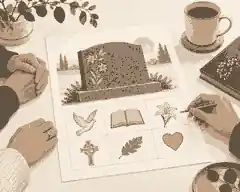
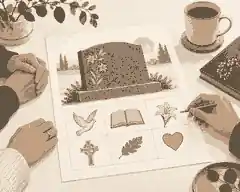
What is the meaning of symbols on gravestones? Wording, materials and care are best understood together: a symbol gives visual meaning, wording names the person and their relationships, materials shape how long the memorial stays legible, and care protects the stone without damaging it. The meaning of symbols on gravestones is not always fixed, because the same cross, flower, book, dove, anchor or broken column can carry religious, cultural, family or personal meaning depending on the cemetery, period, inscription and the person being remembered.
For families in Australia, the United Kingdom and the United States, the practical first step is the same: treat the gravestone as both a public marker and a family record. A stone usually carries the person’s name, life dates, sometimes a relationship line, and a short inscription; the symbol should support that story rather than overwhelm it. If you are still shaping the words, Evaheld Memorials has separate help for short quotes for headstones wording materials and care, but this article focuses on how the symbol, wording, materials and upkeep work as one decision.
the meaning of symbols on gravestones: practical guidance
Gravestone symbols are a visual language. They can point to faith, occupation, military service, family role, grief, hope, childhood, cultural identity, artistic taste or a favourite part of someone’s life. The U.S. National Park Service explains that cemetery markers often preserve community history and may use plants, animals, religious imagery and broken forms to express love, mortality and remembrance through symbolic objects on grave markers. That does not mean every symbol has one universal translation. A dove may suggest peace, the Holy Spirit, love, innocence or a child’s memorial; an anchor may suggest Christian hope, a sailor, stability or a family’s chosen metaphor for steadiness.
For that reason, the most responsible answer to the meaning of symbols on gravestones is usually: start with the likely traditional meaning, then check the personal and cemetery context. A rose on a Victorian grave may carry a conventional floral meaning; a rose on a modern memorial may simply be the person’s favourite flower. A book may mean scripture, learning, a writer, a teacher or a life story. A crown may suggest heavenly reward, civic honour, monarchy, achievement or a family emblem. The Pennsylvania Historical and Museum Commission notes that symbolism on tombstones can appear through incised carving, relief carving, monument shape and three-dimensional ornament, and that families chose symbols for religious belief, sentiment, aesthetics and characterisation; its cemetery symbolism overview is a useful reminder that the carving method is part of the message.
A good symbol does three things. It is recognisable enough that visitors can understand it, specific enough that it belongs to the person, and restrained enough that it leaves room for the name and inscription. If a family wants a fuller record of stories, photographs and tributes alongside the fixed stone, a QR plaque can connect the physical marker to a digital memorial; Evaheld’s explanation of the basics of a QR memorial shows how that can sit beside traditional memorial design without replacing it.
Common symbols and what they may mean
Faith symbols are among the most common. A cross usually signals Christian faith, but the exact form matters: Latin, Celtic, Orthodox and other crosses have different traditions. A Star of David, crescent, Buddhist wheel, Sikh khanda or other emblem should be used with care and family agreement. In the United States, the Department of Veterans Affairs maintains an official list of emblems of belief for government headstones, which is a helpful example of how formal some symbol choices can become in a military cemetery context. In Australia and the United Kingdom, cemetery authorities, churches, councils, crematoria and war-grave settings may each have their own rules, so families should always check the local application process before ordering a stone.
Nature symbols are often chosen because they soften the finality of stone. Ivy may suggest attachment, friendship, endurance or immortality. Laurel can suggest honour or achievement. A lily often carries associations with purity, renewal or mourning. A rose may express love, beauty, youth or a life cut short, depending on whether it is open, budding, broken or paired with other imagery. The National Trust of Australia’s cemetery conservation guidance includes a list of grave symbols, such as anchor for hope or a sailor’s grave, broken column for life cut off by death, dove for spiritual peace, drapery for mourning and book for learning or prayer in its cemetery conservation guide. These meanings are useful, but they should not be forced where the family knows a different personal reason.
Animals often carry strong emotional meaning. Doves, lambs and small birds are common on children’s graves, where they can suggest innocence, peace or a gentle life. An eagle may suggest liberty, service or national identity. A butterfly may suggest transformation or a brief, beautiful life, though it is more common in modern memorial design than in older cemetery carving. A dog, horse, fish, bird or native animal may be chosen because the person loved that animal, worked with it or was known for caring for it. When an animal symbol is highly personal, the inscription can prevent ambiguity by adding a short phrase such as “keeper of birds”, “at home by the sea” or “gentle friend to every living thing”.
Objects can carry biographical meaning. An open book can suggest scripture, scholarship, storytelling or teaching. Praying hands may suggest devotion. Clasped hands can suggest farewell, reunion or marriage. An anchor can suggest hope, faith, sailing or security. A torch may suggest life, enlightenment or, when inverted, life ended. A broken chain may speak to family separation through death. An obelisk, column, urn, draped urn or angel may carry older funerary symbolism as well as architectural taste. The National Park Service’s cemetery conservation terms and definitions help distinguish the forms families often describe loosely, such as marker, footstone, mausoleum and obelisk.
Public memorials show how symbols and words work at different scales. A literary quotation may be fitting where the person loved language, which is why families sometimes think of writers such as William Shakespeare when considering timeless wording. A monarch, civic leader or public servant may be remembered through restraint, duty and formal wording, as families can see in the memorial profile for Queen Elizabeth II. For an Australian public figure strongly associated with wildlife and place, the profile for Steve Irwin is a reminder that a symbol can be meaningful because it reflects work, values and public memory, not only religion.
Choosing wording that works with a symbol
The inscription should not compete with the carving. If the symbol is already expressive, keep the wording plain. A cross, name, dates and “Beloved husband, father and grandfather” may be enough. A carved book might sit well with “Teacher, reader, friend”. A rose may not need a poetic line if the stone already includes family relationships. A QR memorial plaque or medallion may also reduce pressure to fit every story onto stone, especially where relatives want photographs, recordings, longer tributes and updated messages; Evaheld’s advice on where a QR code can sit on a headstone explains how placement can stay respectful.
Most families should begin with the fixed facts: full name, preferred name if different, date format, relationship line and inscription. In Australia and the UK, day-month-year wording such as “12 July 1946” is natural; in the US, month-day-year is more common. If relatives live across countries, choose the format that matches the cemetery jurisdiction and proofread it carefully. Avoid abbreviations that may age badly or confuse future readers. A phrase such as “Loved by family and friends” is clear; a line that only one person understands may feel private at first but become obscure to later generations.
Where faith is involved, use wording that belongs to the person’s tradition. Christian families may choose a cross, verse, “In God’s care” or “Rest in peace”. Jewish families may prefer Hebrew letters, the Star of David or wording equivalent to “May their memory be a blessing”. Muslim families may choose Arabic script or a phrase acknowledging return to God, but cemetery rules and local Islamic guidance should be checked before ordering. Orthodox, Catholic, Anglican, Hindu, Buddhist, Sikh, humanist and secular families may each have conventions around symbols, names and inscriptions. Where several relatives disagree, wording that states love and relationship is often safer than wording that asserts a belief the person did not hold.
For a parent, a strong inscription is usually specific without becoming crowded: “A steady hand and generous heart”, “She made home wherever we gathered”, or “Loved father, grandfather and friend”. For a spouse or partner, a short line often carries more dignity than a long declaration: “Together in every season” or “My beloved, always”. For a child, spare wording is usually kinder to the stone and to the reader. Symbols such as a lamb, dove, small star, flower bud or butterfly should be considered with the same care as any words: families should choose what feels true, not what a catalogue labels appropriate.
For a veteran or service member, rules matter. In the United States, the VA explains eligibility and application pathways for veterans headstones and markers. In Commonwealth settings, war graves and military cemeteries may have strict standards for inscription length, emblem choice, layout and maintenance. In a private cemetery, a family may have more design freedom, but the cemetery may still control size, material, fixing method, religious symbols, QR plaques and wording. Evaheld’s cemetery regulations for headstones wording materials and care is a practical next step before a family pays a deposit.
Fonts, layouts and readability
Font choice is not cosmetic only. It affects legibility, carving quality, weathering and how the stone feels. Traditional serif lettering can suit granite, marble and older cemetery sections. Sans-serif lettering may suit modern plaques and minimalist designs. Script lettering can be beautiful for a name, but it is often harder to read in long inscriptions, especially as paint, gilding or contrast fades. Cultural scripts, including Hebrew, Arabic, Greek, Cyrillic, Chinese and other languages, should be proofed by someone fluent and by the monumental mason before cutting.
Lettering methods also matter. Sandblasted, incised, raised, recessed, gilded, painted and leaded lettering age differently. The VA notes that lithichrome on some marble upright headstones was discontinued in US national cemeteries after complaints about fading and inconsistent appearance; its headstone and marker inscription guidance is useful because it shows that even official memorial systems adjust practices when weathering affects legibility. Families do not need to become materials scientists, but they should ask the mason how each finish will look after five, ten and twenty years.
Good layout leaves air around the text. Crowding the stone with too many names, dates, quotes, symbols, portraits and decorative borders can make the memorial harder to read. A useful proof should show the exact spelling, date order, line breaks, symbol position, font, finish and any QR plaque location. Ask to see the proof at actual scale, not only as a small screen image. If the cemetery has a heritage character, lawn section rules, religious section requirements or maximum dimensions, get written approval before cutting.
Families adding a QR plaque should treat it as part of the layout from the beginning. The code needs contrast, quiet space around it and a position where visitors can scan without bending awkwardly or catching glare. For material comparisons, Evaheld’s the best materials for QR memorial plaques explains why durability, contrast and weather exposure matter more than decorative novelty.
Materials: granite, marble, bronze, ceramic and QR plaques
Granite is widely used because it is hard, durable and available in many colours. Dark granite can make light lettering clear, though glare and polish should be considered. Marble has a long memorial history and can be beautiful, but it is more vulnerable to weathering, pollution and surface loss in many outdoor settings. Limestone and sandstone may suit heritage contexts but can be softer and more porous. Bronze plaques can age with dignity, but the patina, cleaning method, fixings and local conditions matter. Ceramic photographs or inserts can be meaningful, but they should be chosen for durability and repairability, not only appearance.
Historic England treats cemeteries and burial grounds as heritage landscapes, not merely collections of stones, and its cemeteries and burial grounds guidance is a helpful UK source for thinking about setting, conservation and public value. In Australia, many older cemeteries include fragile sandstone, marble, cast iron, kerbing and inscriptions affected by vegetation, salt, damp and mower damage. In the US, marble military markers, private granite memorials and bronze veterans’ markers each have their own care expectations. The material should suit the cemetery climate: coastal air, irrigation overspray, tree cover, heat, frost, vandalism risk and maintenance practices all matter.
If you are choosing an Australian-made stone, ask about local cemetery approval, imported versus local stone, finish, warranty, lead times, fixing method and whether the installer has worked in that cemetery before. Evaheld’s Australian made headstones cemetery approval and QR plaque planning can help families ask practical questions before committing. For QR plaques, stainless steel, ceramic and anodised aluminium can all work in the right context; acrylic is usually better treated as a sheltered or shorter-term material. Whatever the material, the code-bearing surface must remain scannable.
Care and cleaning without causing damage
Care begins with restraint. Many gravestones are damaged by well-intentioned cleaning: wire brushes, household bleach, acids, pressure washers, harsh scrubbing, abrasive pads and repeated cleaning can permanently harm stone. The National Park Service advises the gentlest methods, testing first, soft bristle brushes, clean water, careful rinsing and attention to long-term effects in its best practice recommendations for cleaning headstones. That guidance is written for government-issued marble headstones, but its caution applies widely: do no harm, and do not clean simply because a stone is old.
The National Park Service Preservation Brief on preserving grave markers in historic cemeteries reinforces the same principle: grave markers are heritage materials that need informed assessment, not aggressive treatment. If the stone is leaning, cracked, delaminating, spalling, flaking, loose, historically significant or in a cemetery with conservation rules, do not attempt a repair yourself. Photograph it, note the location, contact the cemetery authority and ask for a qualified conservator or monumental mason.
Bronze needs different care from stone. Do not polish away a stable patina just because it looks aged; the patina may be part of how bronze protects itself. Avoid abrasive powders and tools. Use mild cleaning only where appropriate, and check the cemetery’s rules before applying products. Evaheld’s clean a bronze plaque wording materials and care gives families a focused starting point for plaque maintenance. For QR plaques, clean the surface gently enough to protect contrast and scanning edges, and test the code after cleaning.
Administrative care matters too. In the UK, death registration and funeral arrangements follow national and local processes; GOV.UK’s what to do after someone dies outlines early steps such as registering the death and arranging the funeral. In Australia, funeral purchases and cemetery services are consumer transactions as well as emotional decisions, and the ACCC’s funeral services information encourages consumers to understand pricing and choices. In the United States, the FTC’s Funeral Rule guidance explains price disclosure obligations for funeral providers. These rules do not write the inscription for you, but they help families avoid rushed or unclear purchasing decisions.
A family decision process
Begin by listing what must appear: legal name or preferred name, dates, relationship terms, faith or cultural requirements, cemetery rules and budget. Then choose one main emotional message: love, faith, service, humour, creativity, family, nature, learning, courage, home or peace. Choose a symbol only after that message is clear. If the person’s life was complex, let the stone do one job and use a digital memorial for the rest. A stone is excellent at permanence; an online memorial is better for photographs, stories, longer tributes, updates and contributions from people who cannot visit the cemetery.
If several relatives are involved, invite one or two trusted people to review the wording, but avoid sending every draft to a large group. Too many opinions can lead to vague wording that pleases nobody. If family members disagree about faith, humour, titles or relationship order, return to what the person would likely have wanted and what will remain respectful in public. Evaheld’s guidance on memorial tribute writing can help families separate a longer tribute from the shorter words that belong on stone.
Before approval, check every letter, date, accent mark, punctuation mark and line break. Ask the cemetery to confirm the design in writing. Ask the mason how the symbol will be carved, etched, cast or fixed; how the material will weather; what maintenance is recommended; and what happens if damage occurs. If a QR plaque is involved, test the link, privacy settings and scan reliability before installation. Families who want relatives to contribute memories should consider inviting family and friends to contribute early, while photographs and stories are still easy to gather.
The final test is simple: if a visitor saw only the symbol, name, dates and one line, would they understand something true about the person? If yes, the memorial is doing its work. If the stone feels too crowded, remove a phrase before adding another. If the symbol feels decorative but not meaningful, choose a plainer design. If the story needs more space, place it somewhere updateable and shared; people can still leave tributes and condolences on a memorial long after the headstone wording is fixed.
For families ready to preserve the story behind the stone, Evaheld Memorials can help you connect wording, photographs, tributes and family memories around the meaning of symbols on gravestones in a calm shared memorial space.

FAQs
What is the meaning of symbols on gravestones? Wording, materials and care
Gravestone symbols usually express faith, love, service, family identity, grief, hope or something personal about the person, while wording and materials determine how clearly that meaning will be understood over time. If a family wants the stone to link to a fuller story, the basics of a QR memorial can help, and the National Park Service explains how symbolic objects on grave markers carry meanings that depend on context.
What does a dove mean on a gravestone?
A dove often suggests peace, love, innocence, the Holy Spirit or a gentle life, especially when it appears on a child’s memorial, but the family’s reason matters most. Longer wording can sit elsewhere if the stone stays brief, and memorial tribute writing helps with that fuller expression while the PHMC discusses common grave imagery in its cemetery symbolism overview.
What does a broken column mean on a gravestone?
A broken column commonly represents a life cut short, a family line interrupted or the death of someone seen as a pillar of the family. Before choosing that motif, families should check local rules through cemetery regulations for headstones wording materials and care, and the National Trust’s cemetery conservation guide records broken column symbolism among traditional grave symbols.
Can a family choose any religious symbol for a headstone?
Not always; private cemeteries, churchyards, council cemeteries, veterans’ cemeteries and heritage areas may restrict symbols, size, wording and installation. Families considering a formal or military emblem should also understand Australian made headstones cemetery approval and QR plaque planning, while the VA lists official emblems of belief for government headstones in the United States.
How short should headstone wording be?
Headstone wording is usually strongest when it gives the name, dates and one clear line rather than trying to tell the whole life story. Families can use short quotes for headstones wording materials and care for concise phrasing, while the VA’s headstone and marker inscription guidance shows how official memorial systems treat legibility and consistency seriously.
Which materials last best for gravestones and plaques?
Granite is often chosen for durability, marble has historic beauty but can weather more visibly, bronze needs suitable plaque care, and QR plaques need strong contrast and a stable surface. Evaheld’s the best materials for QR memorial plaques explains outdoor QR choices, and Historic England’s cemeteries and burial grounds guidance treats memorial materials as part of wider heritage care.
How should I clean a gravestone without damaging it?
Use the gentlest method, avoid bleach, acids, wire brushes and pressure washing, and ask the cemetery or a conservator before cleaning fragile or historic stone. For bronze specifically, clean a bronze plaque wording materials and care is a focused starting point, and the National Park Service gives best practice recommendations for cleaning headstones.
Where should a QR code sit on a headstone or plaque?
A QR code should be easy to scan, visually restrained, approved by the cemetery and positioned where glare, flowers, vases and visitor posture will not make scanning awkward. Evaheld explains where a QR code can sit on a headstone, while the National Park Service’s cemetery conservation terms and definitions help families describe marker forms accurately.
What should families check before approving the final headstone proof?
Check spelling, dates, punctuation, layout, symbol meaning, material, cemetery approval, installation method and who has authority to approve the final design. If relatives need to contribute memories before the wording is fixed, inviting family and friends to contribute can support a calmer process, and GOV.UK outlines early administrative steps in what to do after someone dies.
Can people add memories after the headstone is installed?
Yes, the stone itself is fixed, but an online or QR-linked memorial can continue to receive stories, photographs and messages if the family chooses that setup. Evaheld explains how people can leave tributes and condolences on a memorial, and the ACCC’s funeral services information is a useful Australian reminder to compare costs and choices before committing.