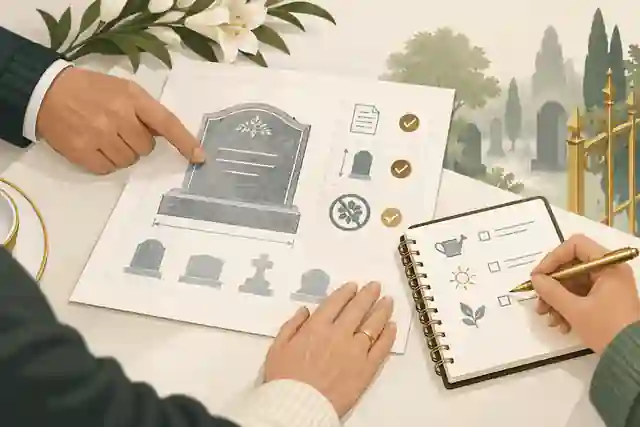
What Is Human Composting? The Science Behind Recomposition
A clear explanation of human composting and recomposition, covering how it works, why families consider it and what limits to check.

Last Updated: June 24, 2026
Human composting is the common name for natural organic reduction, a controlled process that transforms human remains into a soil-like material. It is also called recomposition by some providers and families. People usually search for it because they are trying to understand whether it is respectful, legal, environmentally aligned and practical compared with burial or cremation.
The short answer is that human composting uses moisture, oxygen, plant material and microbial activity to support decomposition inside a managed vessel. It is not backyard composting, and it is not available everywhere. Families must check local law, provider licensing, transport rules, health requirements, cultural expectations and what can be done with the resulting soil. The NFDA natural organic reduction overview describes the method as a newer form of final disposition in the United States, while Australian families should still treat it as a location-specific legal question rather than an assumed option.
For families weighing end-of-life choices, the decision is rarely only technical. It can involve beliefs about the body, land, ritual, cost, climate impact and memory. Evaheld Memorials can preserve the person’s story separately from the disposition method through Evaheld Memorials, memorial plan options and public memorial examples.
What does human composting mean?
Human composting means the contained, supervised conversion of a body into a stable soil-like material. In legal language, many jurisdictions call it natural organic reduction. The word recomposition is often used in public education because it describes the body returning to organic matter without the industrial image that “composting” can create for some families.
The process is designed to be controlled. A licensed facility places the body in a vessel with organic material such as wood chips, straw or plant matter. Airflow, temperature, moisture and time create conditions where naturally occurring microbes break down soft tissue. Remaining bone fragments are usually processed and returned to the vessel or soil mix according to local rules. The result is screened, cured and tested or handled under regulation before families receive soil or direct it to an approved conservation use.
That distinction matters. Human composting is not a family improvising after death. It is a regulated death-care service where identification, authorisation, handling, tracking and final placement still matter. If your family is also comparing more familiar options, Evaheld’s explanation of cremation process and choices can help frame the difference.
How does the science behind recomposition work?
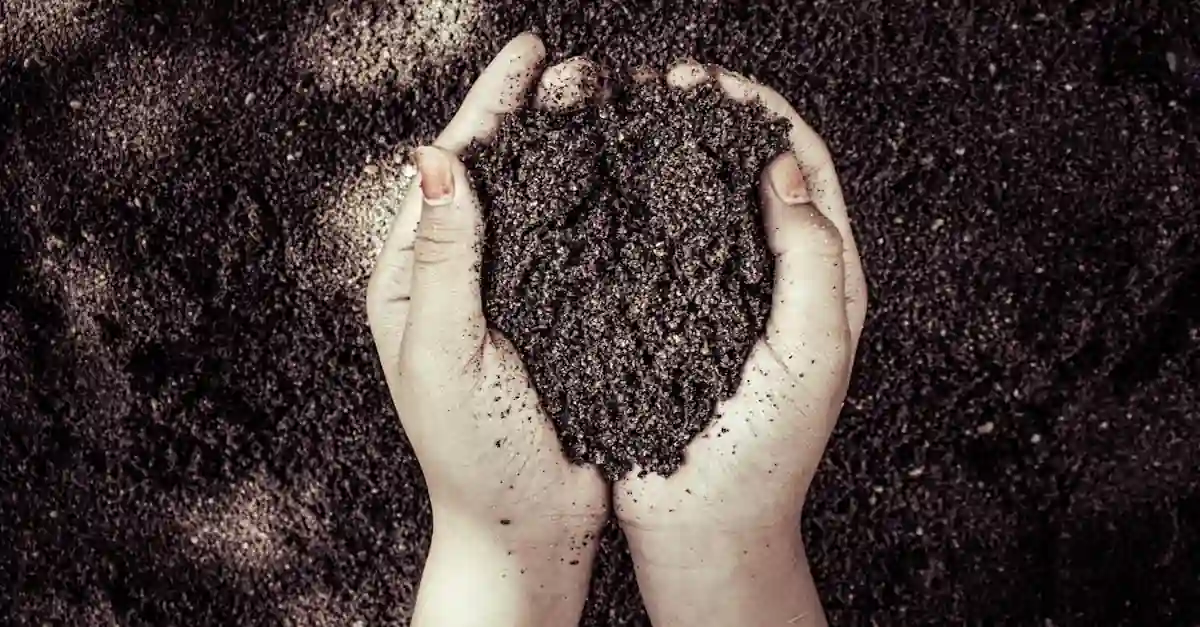
The science is based on aerobic decomposition. Aerobic means oxygen is present. When oxygen, moisture and carbon-rich plant material are balanced, microbial communities generate heat and break organic matter down. The EPA composting explanation describes composting as a managed process involving organic materials, moisture and oxygen; human composting adapts that broad biological principle to a highly regulated mortuary setting.
Temperature is important because it signals active microbial work and helps reduce pathogens when managed correctly. Facilities may monitor temperature curves, vessel conditions and curing time. They may also restrict certain medical implants or require removal of batteries and radioactive devices before reduction, because the process is biological rather than incinerating. The Arizona natural organic reduction bill text shows how legislation can specify authorisation, facility duties and handling details.
Families should be careful with environmental claims. Human composting may avoid some emissions associated with flame cremation and may avoid some material inputs used in conventional burial, but the true impact depends on transport, facility energy, land use, casket choices and what comparison is being made. The EPA greenhouse gas emissions overview is a useful reminder that climate claims need clear boundaries.
What happens during the human composting process?
The exact process depends on the provider and jurisdiction, but most services follow a similar pattern. First, the legal authorising person signs paperwork, confirms identity and chooses any ceremony or transfer arrangements. Second, the body is placed in a vessel with plant-based material. Third, the vessel is managed for several weeks while heat, oxygen and microbial activity do the main work. Fourth, the material is screened, cured and checked. Fifth, the resulting soil is returned, donated or placed according to law and family wishes.
Some families hold a laying-in or farewell moment before the vessel is closed. Others prefer a separate memorial service and keep the technical process private. If you are planning a ceremony without religious language, Evaheld’s secular farewell planning can help create a respectful structure around values, stories and music.
The soil stage can be emotional. Families may be offered a portion of soil, a larger quantity, or a conservation placement depending on provider rules. Ask in advance how much soil is produced, whether it can cross state or national borders, whether it can be used on private land, and whether local rules restrict use around food crops or waterways.
Where is human composting legal?
Legal availability changes quickly. As of this run on 29 April 2026, natural organic reduction is legal in a growing number of United States jurisdictions, but implementation dates, facility licensing and practical availability are not the same thing. For example, Colorado Senate Bill 21-006, California Assembly Bill 351, Maryland Senate Bill 1028, Delaware House Bill 162 and Georgia Senate Bill 241 each show how states use specific legislation rather than a single national rule.
Other state materials show the same pattern. The Minnesota natural organic reduction bill record, Maine LD 536 record and New Jersey signed-bill notice are examples families can use to understand the legislative trail. A law may pass months or years before services are easy to access.
In Australia, do not assume human composting is available simply because overseas articles describe it. Death-care regulation is state and territory based, and public health rules commonly refer to burial, cremation, exhumation and cemetery processes. NSW Health’s final arrangements of the deceased guidance explains that storage, preparation, burial and cremation are regulated. Families should ask a local funeral director, cemetery regulator or health department before making plans.
How does human composting compare with burial and cremation?
Human composting, burial and cremation each answer a different family need. Burial provides a fixed physical place and may align with religious, cultural or family tradition. Cremation can be simpler to transport and may fit families who want ashes kept, scattered or interred. Human composting appeals to people who want a soil-return option, especially when land impact and ritual simplicity matter.
Cost comparisons are hard because funeral service, transport, ceremony, permits and memorial choices can outweigh the disposition fee itself. A low-cost cremation with no service is not the same as a full funeral with catering, flowers and cemetery fees. Evaheld’s funeral planning cost breakdown is useful because it separates disposition from the wider farewell.
Public health handling also differs. NSW Health’s cremation ashes guidance explains how cremated remains are handled after cremation. Human composting rules instead focus on the controlled reduction process and the soil-like material that results. Neither option removes the need for careful authorisation and respectful record-keeping.
What should families ask before choosing recomposition?
Ask practical questions first. Is human composting legal where the death occurs, where the body is transported, and where the soil will be placed? Is the provider licensed? What paperwork is needed? What medical devices must be removed? How long does the process take? How is identity tracked? What quantity of soil is returned? What testing or curing is required? What happens if the family later changes its mind?
Then ask values questions. Would the person have wanted this? Does it fit their faith, culture or environmental commitments? Will close relatives find the process comforting, neutral or distressing? Is there a way to include those who prefer a traditional service? The Better Health funeral information is a reminder that funeral decisions often combine practical duties with family and cultural expectations.
If relatives are contributing memories from different places, Evaheld explains how family and friends can help build the memorial together. Separating the memorial from the disposition choice can reduce pressure because people can honour the person even if they disagree about the method.
Can human composting be respectful?
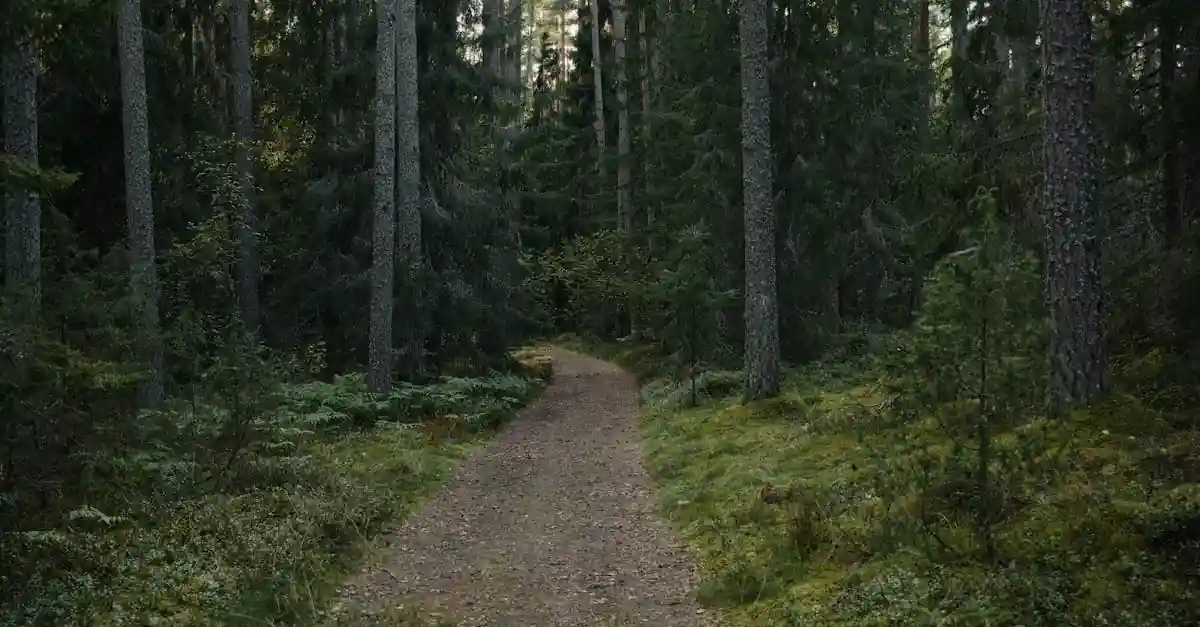
Respect depends on care, consent, language and ritual. Some families find the idea deeply meaningful because it returns the body to soil and supports new growth. Others find the language uncomfortable or incompatible with their beliefs. Neither response is wrong. A respectful decision begins by asking what the person wanted, what the law permits and what the family can live with afterwards.
Use words that match the family. Some people prefer natural organic reduction because it sounds precise. Others prefer recomposition because it feels gentler. Some are comfortable with human composting because it is clear and searchable. If a person’s faith tradition has specific rules about bodily integrity, burial or cremation, speak with the relevant faith leader before making arrangements.
Grief can make decision-making feel slower and more intense. The healthdirect grief and loss information and Better Health grief fact sheet both show why families may need time, clear facts and gentle communication. Evaheld’s comparison of memorial formats can help families choose how public or private the story should be.
What can families do with the soil?
Options vary by provider and law. Some families may receive soil for a garden, tree or private land placement. Some may donate it to a conservation project. Some may keep only a small portion and allow the rest to be placed by the provider. Ask whether the soil can be shipped, whether it can be divided among relatives, whether there are restrictions on public land, and whether any local environmental rules apply.
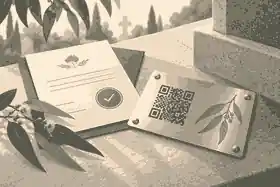
A memorial does not have to rely on the soil itself. Families can plant a tree, gather photos, record the person’s favourite places, create a private online memorial, invite written tributes or link a QR memorial plaque to the story. Evaheld explains what information helps start a memorial and how visitors can leave tributes and condolences.
Before the FAQ section, families who want a separate place for stories can create a memorial for the person’s story while they continue checking whether recomposition is lawful and available.
Top keyword and intent map
| Keyword | Search intent |
|---|---|
| human composting | Decision clarity. |
| recomposition | Decision clarity. |
| natural organic reduction | Decision clarity. |
| what is human composting | Decision clarity. |
| how human composting works | Decision clarity. |
| human composting process | Decision clarity. |
| human composting science | Decision clarity. |
| natural organic reduction legality | Decision clarity. |
| human composting cost | Decision clarity. |
| human composting vs cremation | Decision clarity. |
| human composting vs burial | Decision clarity. |
| recomposition funeral | Decision clarity. |
| green funeral options | Decision clarity. |
| environmental burial alternatives | Decision clarity. |
| soil from human composting | Decision clarity. |
| family memorial ideas | Decision clarity. |
| legal human composting locations | Decision clarity. |
| natural burial alternatives | Decision clarity. |
| death care choices | Decision clarity. |
| online memorial after recomposition | Decision clarity. |
Related Evaheld Memorials guidance
Families working through What Is Human Composting? The Science Behind Recomposition often need a few connected decisions in one place: what a QR memorial can link to, adding a QR code to an existing headstone, engraving QR codes on headstones, best materials for QR memorial plaques, how long QR memorials last. These related guides help the article sit inside a fuller memorial planning path rather than leaving each decision isolated.
For Evaheld Memorials product details, the most useful companion pages are private memorial sharing choices, tributes and condolences on a memorial, how quickly can I create an online memorial, plans with private memorial options, subscription or one-time memorial plans. They explain setup, privacy, contribution and sharing choices before a family invites others into the memorial.
FAQs about What Is Human Composting? The Science Behind Recomposition
What is human composting?
Human composting is the common name for natural organic reduction, a controlled process that transforms human remains into a soil-like material. It is also called recomposition by some providers and families. People usually search for it because they are trying to understand whether it is respectful, legal, environmentally aligned and practical compared with burial or cremation.
Start with the practical facts, then leave room for memory, emotion and family preferences. private memorial sharing choices can help you organise the Evaheld Memorials side, while Moneysmart funeral costs guidance gives families wider context before decisions feel rushed.
How can cremation or burial choices reflect the person being remembered?
A respectful plan usually combines clear information, gentle language and a way for close people to contribute at the right time. tributes and condolences on a memorial supports that shared approach, and Healthdirect grief support is a useful reminder that grief affects people differently.
When should families start comparing their options?
Begin as soon as the task would reduce pressure rather than add to it. Families often start with a simple memorial draft, then refine details over time using how quickly can I create an online memorial; Services Australia guidance after a death can also help with the first administrative steps after a death.
Who should be involved in the decision?
The closest organiser should usually guide the final decisions, but relatives and friends can help with stories, photos and checks. plans with private memorial options explains how collaboration can work, while USA.gov steps after someone dies outlines broader steps families may need to consider.
Can an online memorial complement a physical place of remembrance?
Yes. A memorial page can hold service details, photos, tributes, updates and a lasting place to return to after the immediate arrangements are over. subscription or one-time memorial plans shows how quickly that can begin, and GOV.UK guidance after a death offers trusted context for bereavement care.
How should private family details be protected?
Keep sensitive information out of public copy, review contributions before publishing and choose privacy settings before sharing widely. what a QR memorial can link to explains private memorial options, while National Institute on Aging end-of-life guidance gives practical consumer context around funeral and memorial decisions.
Which documents and provider details should families retain?
Keep the memorial URL, service details, donation preferences, key family contacts and any relevant documents in one place. adding a QR code to an existing headstone helps families compare plan needs, and Better Health grief information can support cost and planning conversations.
How can relatives contribute memories respectfully?
Invite people to contribute specific memories, photographs or messages, then review everything before it appears publicly. engraving QR codes on headstones explains tribute and condolence controls, while FTC funeral rule information offers supportive guidance for people coping with loss.
What mistakes should families avoid when choosing an option?
Avoid rushing public details, copying private messages without permission or turning the page into a list of tasks. best materials for QR memorial plaques helps families understand free and paid options, and ACCC funeral services information is useful when funeral-related decisions need clear consumer information.
How can Evaheld Memorials preserve memories over time?
Evaheld Memorials gives families a guided place to create, edit, share and preserve a tribute as needs change. how long QR memorials last keeps the memorial grounded in practical setup, while SAMHSA coping tips helps families think about comfort and care beyond the page itself.
If you want a calm place to organise memories, tributes, photos and family contributions, create a lasting Evaheld Memorials tribute for your family.
What matters most about What Is Human Composting? The Science Behind Recomposition
Human composting is a controlled form of natural organic reduction that uses the science of aerobic decomposition in a regulated death-care setting. It may suit people who want a soil-return option and a lower-material farewell, but it is not available everywhere and should not be chosen from headlines alone. Check the law, provider licensing, costs, transport, soil rules and family beliefs before deciding.
The most respectful choice is the one that fits the person, protects the family and follows the law where the death and final placement occur. If recomposition is not available, families can still create meaningful rituals through burial, cremation, natural burial where lawful, tree planting, shared stories and carefully managed online memorials.
When the practical decision is still being checked, you can preserve memories beyond the disposition choice in an Evaheld memorial so family and friends have one careful place for photos, tributes and the person’s story.
| Image | Source | Alt text | Use |
|---|---|---|---|
| Feature image | Generated locally | human composting natural landscape for Evaheld Memorials | Ghost feature image |
| Body image 1 | Pexels 31374933 by Rain Photography | human composting soil held gently for Evaheld Memorials | Visible body image |
| Body image 2 | Pexels 33915737 by Lauri Poldre | human composting forest path memorial idea for Evaheld Memorials | Visible body image |
Related Evaheld resources
Continue with these carefully selected Evaheld Memorials guides and answers.