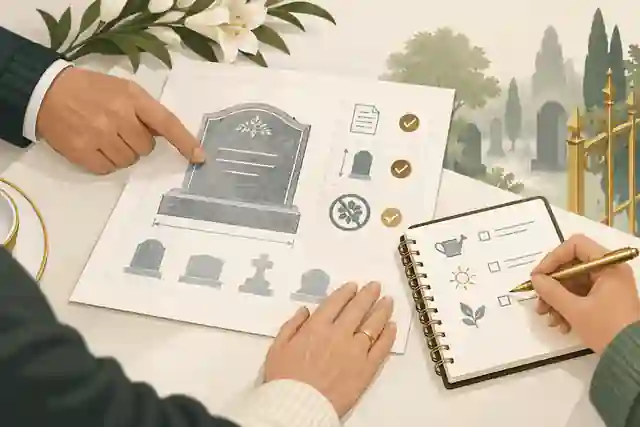
Cremation Explained: Process, Costs and Choices
A calm guide to cremation steps, paperwork, ashes, urn choices, costs, cultural considerations and meaningful memorial options.

Last Updated: June 24, 2026
When a family asks what happens during cremation, the real question is usually larger than the mechanics. They may be deciding between burial and cremation, trying to understand paperwork, wondering how ashes are returned, or checking whether the choice will still leave room for a meaningful farewell. Cremation explained well should feel calm, practical and unsensational: a clear account of the process, costs and choices families can discuss before they sign anything.
In Australia, cremation is normally arranged through a funeral director, cemetery operator or crematorium, and the precise forms, permits and timing can vary by state or territory. National consumer law still matters. The Australian funeral consumer protections explain that funeral products and services, including cremation and burial, are covered by the Australian Consumer Law, so families can ask for clear prices, accurate claims and fair contract terms. This guide gives plain-English context, then points you back to the local authority, funeral provider or registrar that can confirm the exact rule for your situation.
Cremation can be unattended, part of a chapel service, or one step in a wider memorial plan. Some families hold a funeral before cremation. Others arrange direct cremation and gather later at home, in a garden, online or at a place connected to the person's life.
What happens before a cremation is booked?
The first step is not the cremator itself. It is confirmation that the death has been legally and medically certified, and that the right person has authority to arrange the funeral. Services Australia outlines practical steps after someone dies, including notifying organisations and checking support payments. State registries then handle death registration and certificates; for example, the NSW Government explains what happens after a death in NSW, while Births, Deaths and Marriages Victoria sets out Victorian death registration pathways.
A funeral director will usually transfer the person into care, confirm identification, collect required details, prepare paperwork and book the crematorium. If the death is reportable to a coroner, timing and permissions may be different. Service, viewing, religious rite, private farewell or witnessed cremation requests should be discussed early because they affect scheduling and cost.
Families should ask who is signing the application for cremation, what medical certificates or permits are required, whether the quoted fee includes crematorium charges, and when the ashes will be available. A provider should be able to explain these steps without pressure. The Victorian funeral planning overview notes that funeral decisions can include burial or cremation, service style, cemetery or crematorium choices, notices and other personal details.
What happens during the cremation process?
Families often feel anxious because they imagine they must know technical details. In practice, you only need a respectful overview unless you choose to ask for more. The person is identified, placed in a suitable coffin or container, and transferred to the cremator according to the crematorium's procedures. The cremation is carried out individually, not as a shared process. Afterward, remaining bone fragments are cooled and processed into ashes, which are placed in a temporary container or chosen urn and labelled for return.
Crematoria operate under health, environmental and workplace rules. The NSW Environment Protection Authority's crematoria emissions guidance describes crematoria as regulated facilities with air-quality considerations. A Victorian Government cremation industry viability report also describes cremation as a mainstream part of cemetery and funeral infrastructure. These sources are technical, but they show cremation is a regulated service.
Some crematoria allow witnessing, where close relatives or cultural representatives are present for a defined part of the process. Others do not, or only offer it at certain locations and times. If witnessing matters for religious, cultural or personal reasons, ask before booking and request the fee in writing. Brisbane City Council's cremation charges and witnessing information, for example, separates cremation charges from chapel hire and witnessed cremation arrangements.
How long does cremation usually take?
The physical cremation takes hours, but the family timeline is usually longer because paperwork, bookings, transport, service planning and ash collection sit around it. A direct cremation may be arranged more quickly than a full funeral service, but timing still depends on certificates, crematorium availability, provider workload and any coroner involvement. If relatives are travelling or a chapel is requested, the timeline may stretch.
Ask your funeral director for two dates: the earliest possible cremation date and the expected date for ashes to be ready. Also ask whether public holidays, weekends or regional transport will affect timing. If you plan to create a memorial page, order printed material or invite distant relatives, build in a little space. Evaheld's practical walkthrough on adding service details to memorial pages can help families share confirmed times without repeatedly answering the same messages.
What paperwork is required for cremation?
Paperwork depends on the jurisdiction, but families commonly encounter a death registration, medical certificate of cause of death or coroner release, cremation application, permission from the authorised decision-maker, and provider forms for service choices. The funeral director usually coordinates these, yet the family should still understand what they are signing.
Ask for the name of every form, who signs it, what each form authorises, and whether any fees are attached. If information is being collected about the deceased person, health history, next of kin or service preferences, it should be handled carefully. The Office of the Australian Information Commissioner explains rights around accessing health information, which is a useful privacy backdrop when sensitive records are involved, even though funeral paperwork has its own practical process.
If you are planning ahead for yourself, keep instructions findable but flexible. You can record your preference for cremation, note cultural or spiritual wishes, and tell trusted people where documents are stored. Local registries and funeral providers can explain what is recognised where you live.
How much does cremation cost in Australia?
Cremation costs vary because families are not buying one identical service. The final amount can include transfer, professional service fees, storage, coffin or container, death certificate, permits, crematorium fee, chapel hire, celebrant or clergy, flowers, notices, catering, livestreaming, urns and memorial placement. Moneysmart's funeral cost planning information says funerals can range from a basic cremation to a more elaborate burial, and encourages people to understand payment options before committing.
NSW Government's funeral pricing information explains that funeral costs depend on what is included, location and the funeral director used, and notes that a no-service, no-attendance cremation or burial is usually the least expensive option. Cemeteries & Crematoria NSW describes direct cremation and standard cremation choices, including the difference between a cremation connected to a ceremony and a direct cremation without a ceremony at the cremation time.
To compare quotes, ask for itemised pricing. The Western Australian Consumer Protection funeral pricing rules say consumers should be able to access prices for funeral services and packages so costs can be compared. The State Library of NSW's legal information on funeral costs and disbursements is also useful because it separates provider charges from third-party costs such as certificates, cemetery or crematorium fees.
Which cremation choices affect the final price?
The biggest price differences usually come from ceremony style, venue, coffin choice, transport distance, viewing or preparation, flowers, notices, catering, livestreaming, urn selection and memorial placement. Direct cremation reduces costs because there is no attended service at the crematorium, but it does not prevent a later memorial. Many families choose this when they want time to plan a gathering that feels less rushed.
Prepaid arrangements, funeral bonds and insurance need careful comparison. Services Australia explains how funeral bonds and prepaid funerals may be treated for some payment purposes. The ACCC also warns that businesses should not mislead families, pressure them into unnecessary items or hide optional charges. If you feel rushed, ask for the quote by email and invite another trusted person to review it.
A useful checklist is simple: confirm the crematorium fee, ask whether the coffin is included, list every optional service, ask what happens if you remove an item, check GST, confirm when payment is due, and request the cancellation or change policy. Then decide which choices genuinely support the farewell.
What happens to ashes after cremation?
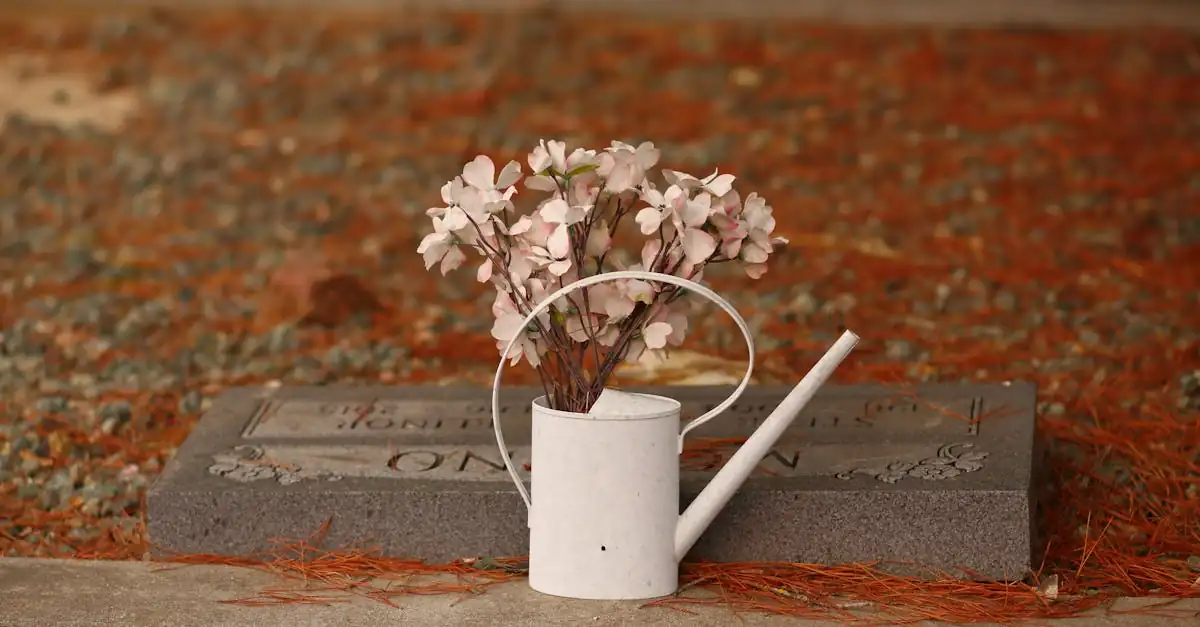
After cremation, ashes are usually returned to the authorised person in a temporary container unless an urn, keepsake or placement has been chosen. Families may keep ashes at home, divide them among relatives if permitted by the provider's process, place them in a cemetery niche or memorial garden, inter them in an existing grave where allowed, scatter them somewhere meaningful, or use them in a memorial object. Local rules can apply, especially for public land, waterways, cemeteries and private property owned by someone else.
Before deciding, ask who has legal authority to collect the ashes, whether the ashes can be split, what identification is supplied with the container, and whether the crematorium has a collection deadline. If scattering is planned, check permission before the ceremony. If keeping ashes at home, choose a secure place and tell someone trusted where they are. If relatives disagree, pause before scattering or dividing; once ashes are scattered, the decision cannot easily be undone.
Many families also create a digital memorial so memories are not held only in the urn or final resting place. Evaheld's piece on what to include in an online memorial can help you gather the life story, photographs, favourite music, service details and messages that sit beside the physical ashes.
Can cremation still include a funeral, faith or cultural ritual?
Yes. Cremation does not require a family to abandon ceremony. A service can be held before cremation with the coffin present, after cremation with the urn present, or later as a memorial gathering without either. Religious and cultural needs should be raised early because they may affect timing, washing or dressing, viewing, witnessed cremation, prayers, music, handling of ashes and who participates.
Some traditions prefer burial. Others permit cremation with conditions, or leave the decision to the family. A funeral director should not make assumptions. Ask whether the provider has handled similar requirements, whether a faith leader can attend, and whether the crematorium can support witnessing or particular timing. If the answer is vague, ask your community leader for a recommendation.
For families planning a secular farewell, Evaheld's article on creating an online memorial and its guidance on writing a memorial tribute can help shape words, photos and shared memories without requiring a religious structure.
How can families choose between cremation and burial?
The right choice is the one that fits the person's wishes, family beliefs, budget, local options and long-term memorial needs. Cremation can be more flexible and often less expensive than burial, but burial may better suit some religious commitments, cemetery traditions or family expectations. Cremation also asks families to decide what will happen to ashes; burial asks families to decide about a plot, headstone and cemetery rules.
Start with any known wishes. Then discuss budget, ceremony, travel, cultural requirements, cemetery access, who will care for a grave or urn, and what future generations should be able to visit or view. If the family is divided, separate the practical decision from the memorial decision.
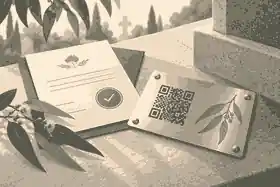
If a digital tribute will help family members who cannot attend, Evaheld's comparison of private and public online memorials explains how sharing settings can match different comfort levels, and the overview of what a QR memorial can link to shows how a physical place can connect to stories, photos and messages.
What should you ask a funeral director before agreeing?
Bring questions in writing, especially if grief is making it hard to concentrate. Ask whether the quote is for direct cremation, cremation with service, or another package. Ask what is legally required and what is optional. Ask which crematorium will be used, whether the family can choose another one, how identification is managed, when ashes are returned, what urn or temporary container is included, and whether the family can supply an urn.
Also ask about changes. What happens if relatives want to add a viewing later? Can you hold a memorial after direct cremation? Are there extra fees for weekends, travel, livestreaming, music, death notices, certificates or storage? Can all prices be sent in writing before you decide? Consumer law does not remove grief, but it gives families a reason to expect clear information.
If you want a simple digital place to collect details while decisions are being made, you can create a cremation memorial space with Evaheld and add confirmed information as it becomes available. This can reduce repeated messages while keeping relatives connected.
How can cremation lead into a meaningful memorial?
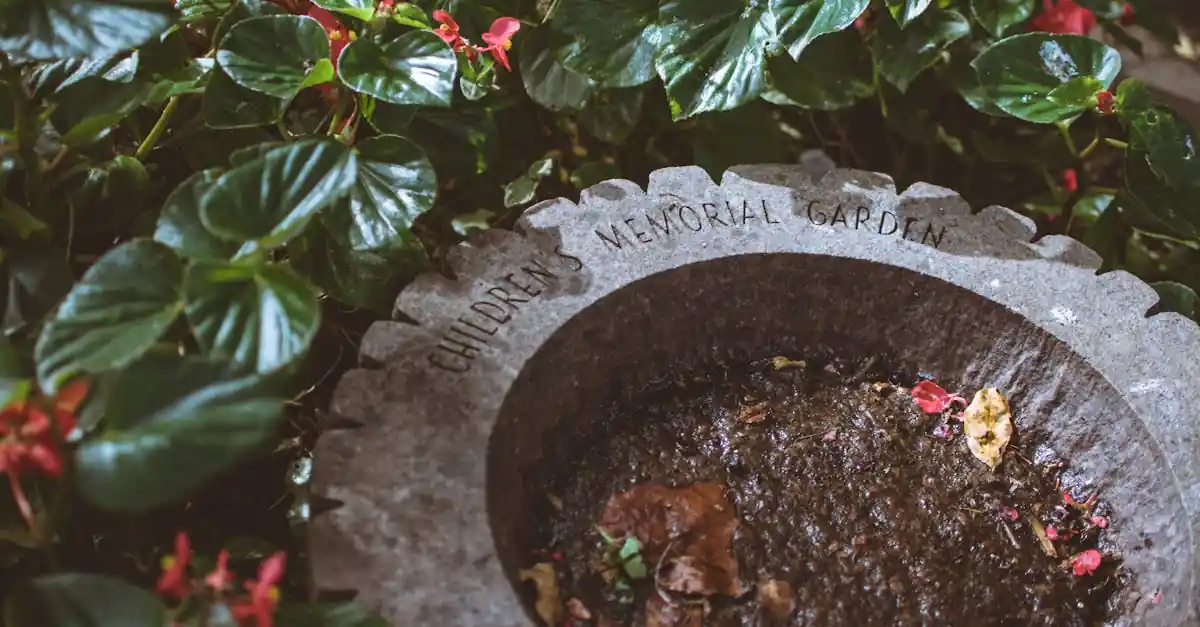
A meaningful memorial does not depend on the size of the funeral bill. It depends on whether the person is remembered accurately and warmly. Families can hold a small scattering, create a memory table, invite written tributes, play music, share photographs, plant a garden, place ashes in a memorial site, or gather online with relatives who live far away. If the cremation is unattended, the later memorial may become the main emotional event.
Start with the person's ordinary life, not only their final days. Collect the stories people tell at the kitchen table. Ask for photographs across decades. Include service details if there will be a gathering. Leave room for condolences and later anniversaries. Evaheld Memorials offers a way to hold those pieces together, with options families can review through Evaheld Memorials plan choices, browse through public memorial examples, and understand through the memorial questions hub.
For many families, the practical answer is layered: arrange the cremation respectfully, keep paperwork clear, choose what to do with ashes slowly, and build a memorial that can keep growing after the day itself. The Evaheld Memorials platform is designed for that longer act of remembrance.
Related Evaheld Memorials guidance
Families working through cremation Explained: Process, Costs and Choices often need a few connected decisions in one place: how to moderate online memorial comments, private vs public online memorials, search visibility for public memorials, how memorial content can be downloaded later, adding videos and music thoughtfully. These related guides help the article sit inside a fuller memorial planning path rather than leaving each decision isolated.
For Evaheld Memorials product details, the most useful companion pages are information needed to start a memorial, family and friend memorial collaboration, private memorial sharing choices, tributes and condolences on a memorial, quick online memorial setup. They explain setup, privacy, contribution and sharing choices before a family invites others into the memorial.
FAQs about cremation Explained: Process, Costs and Choices
What should families know about cremation explained?
When a family asks what happens during cremation, the real question is usually larger than the mechanics. They may be deciding between burial and cremation, trying to understand paperwork, wondering how ashes are returned, or checking whether the choice will still leave room for a meaningful farewell. Cremation explained well should feel calm, practical and unsensational: a clear account of the process, costs and choices families can discuss before they sign anything.
Start with the practical facts, then leave room for memory, emotion and family preferences. information needed to start a memorial can help you organise the Evaheld Memorials side, while National Institute on Aging end-of-life guidance gives families wider context before decisions feel rushed.
How can cremation or burial choices reflect the person being remembered?
A respectful plan usually combines clear information, gentle language and a way for close people to contribute at the right time. family and friend memorial collaboration supports that shared approach, and Better Health grief information is a useful reminder that grief affects people differently.
When should families start comparing their options?
Begin as soon as the task would reduce pressure rather than add to it. Families often start with a simple memorial draft, then refine details over time using private memorial sharing choices; FTC funeral rule information can also help with the first administrative steps after a death.
Who should be involved in the decision?
The closest organiser should usually guide the final decisions, but relatives and friends can help with stories, photos and checks. tributes and condolences on a memorial explains how collaboration can work, while ACCC funeral services information outlines broader steps families may need to consider.
Can an online memorial complement a physical place of remembrance?
Yes. A memorial page can hold service details, photos, tributes, updates and a lasting place to return to after the immediate arrangements are over. quick online memorial setup shows how quickly that can begin, and SAMHSA coping tips offers trusted context for bereavement care.
How should private family details be protected?
Keep sensitive information out of public copy, review contributions before publishing and choose privacy settings before sharing widely. how to moderate online memorial comments explains private memorial options, while Moneysmart funeral costs guidance gives practical consumer context around funeral and memorial decisions.
Which documents and provider details should families retain?
Keep the memorial URL, service details, donation preferences, key family contacts and any relevant documents in one place. private vs public online memorials helps families compare plan needs, and Healthdirect grief support can support cost and planning conversations.
How can relatives contribute memories respectfully?
Invite people to contribute specific memories, photographs or messages, then review everything before it appears publicly. search visibility for public memorials explains tribute and condolence controls, while Services Australia guidance after a death offers supportive guidance for people coping with loss.
What mistakes should families avoid when choosing an option?
Avoid rushing public details, copying private messages without permission or turning the page into a list of tasks. how memorial content can be downloaded later helps families understand free and paid options, and USA.gov steps after someone dies is useful when funeral-related decisions need clear consumer information.
How can Evaheld Memorials preserve memories over time?
Evaheld Memorials gives families a guided place to create, edit, share and preserve a tribute as needs change. adding videos and music thoughtfully keeps the memorial grounded in practical setup, while GOV.UK guidance after a death helps families think about comfort and care beyond the page itself.
If you want a calm place to organise memories, tributes, photos and family contributions, create a lasting Evaheld Memorials tribute for your family.
What matters most about Cremation Explained: Process, Costs and Choices
Cremation is not one single decision. It is a sequence: confirm authority and paperwork, choose the service style, understand the cremation process, compare costs, decide how ashes will be kept or scattered, and create a memorial that reflects the person's life. The calmest approach is to ask for written information, avoid rushed optional purchases, and give the family time to shape the remembrance around real stories.
If you are arranging cremation now, keep the next step small: confirm the required forms, request an itemised quote, choose what must happen before cremation, and leave room for a later memorial if that feels more human. When you are ready, build a lasting cremation tribute with Evaheld.
Related Evaheld resources
Continue with these carefully selected Evaheld Memorials guides and answers.