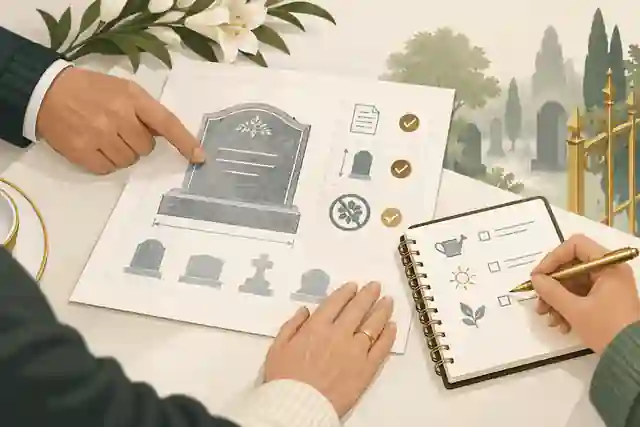
Are Online Memorials Appropriate? A Thoughtful Guide
An online memorial is usually appropriate when it is created with care, consent, privacy and respect for the person being remembered.
Last Updated: June 24, 2026
Many people ask this quietly, and with good reason: is an online memorial appropriate, or does it risk feeling tacky? The honest answer is that an online memorial is usually appropriate when it is shaped with care, consent, privacy, and respect for the person being remembered. The internet itself is not what makes a memorial tasteful or tasteless. What matters is tone, family wishes, cultural context, and whether the page serves remembrance rather than attention.
That distinction matters because grief today often unfolds across distance. Families live in different cities, funeral details move quickly, and some mourners need a gentle place to read, reflect, and contribute when they are ready. A thoughtful digital memorial can meet those needs without trying to replace a funeral, wake, graveside visit, or private family ritual. In practice, it is closer to a carefully prepared remembrance space than a social media spectacle.
Public health and bereavement guidance supports the idea that remembrance can be meaningful when it helps people stay connected and honour a loved one in ways that fit their values. The CDC's grief guidance notes that people often cope by finding ways to honour the person who died. The Hospice Foundation of America similarly emphasises that grief is personal and that support can take different forms. Those principles do not make every online memorial appropriate by default, but they do explain why a digital space can be genuinely helpful when it is created thoughtfully.
If you are still deciding whether this format is right for your family, it helps to separate the question into smaller parts. You may not be asking whether the internet is respectful in the abstract. You may really be asking whether the memorial will feel too public, whether relatives will agree on what should be shared, whether the tone will stay dignified, or whether the page will look like a tribute rather than a feed. Those are the right questions to ask, and they are exactly the questions that make a memorial better when answered early.
What makes an online memorial respectful rather than tacky?
The strongest online memorials begin with purpose. They are built to remember a person, share accurate information, collect condolences, and give loved ones a place to return to. They are not built to impress strangers, chase engagement, or force grief into a performative style. That difference shows up in dozens of small choices: restrained wording, considered photos, a calm layout, clear privacy decisions, and careful judgement about what belongs on the page.
Consent is often the first test. If close family members strongly object to a public page, or if the person who died was intensely private and would likely have disliked visible online sharing, that deserves weight. Respectful remembrance does not ignore discomfort simply because technology makes publication easy. In some families, a small private memorial link is far more appropriate than a public page. In others, broad sharing is helpful because friends, colleagues, neighbours, and distant relatives all need one reliable place to gather. Thinking through whether the memorial should stay private until the family is ready is often more important than deciding whether the memorial should exist at all.
Privacy is especially important because grief and visibility do not always move at the same pace. A family may want a memorial page quickly, but not want it indexed, widely discoverable, or open to public contributions on day one. That is why controlled sharing can make a digital memorial feel more dignified. On Evaheld Memorials, the distinction between public and more controlled remembrance is built into the product structure. The Free Online Memorial is designed as a public memorial page with written condolences and directory visibility, while higher plans add contributor tools, moderation, and a private memorial option. If you are weighing openness against control, the guide to private vs public online memorials and the FAQ explaining which plan includes a private memorial option are useful practical references.
Tone matters just as much as privacy. A respectful online memorial usually sounds grounded, warm, and specific. It focuses on the person's life, relationships, and memory. It does not rely on gimmicky graphics, sensational headlines, or language that turns the page into self-promotion for the organiser. If a page reads like a heartfelt tribute, visitors generally experience it as appropriate. If it reads like a public performance of grief, people can feel the mismatch immediately.
Cultural and religious differences also shape what feels right. Some families value highly visible communal remembrance. Others prefer mourning to stay within a close circle or within rituals that are not meant to be digitised. The CDC encourages people to honour loved ones in ways that fit their traditions, and that principle matters here too. There is no universal rule saying every family should create a memorial website, just as there is no universal rule saying digital remembrance is automatically shallow. Appropriateness is contextual. A memorial that feels deeply meaningful in one family or community may feel too exposed in another, and both responses can be valid.
It also helps to remember that an online memorial is not the same as social media posting. Families often picture a chaotic stream of comments because that is what they associate with the internet. A dedicated memorial page is different. It can be calmer, more structured, and easier to curate. A clear explanation of how online memorial pages work often eases this concern because it shows that the memorial can function more like a digital remembrance book than an open social thread.
Another sign of tasteful design is whether the memorial protects the person's dignity through selective detail. Not every photograph, anecdote, or family disagreement belongs online. The page does not need to contain the whole history of a life to be meaningful. Often the most respectful choice is to include a few carefully chosen images, a balanced life summary, service information if relevant, and a warm invitation for people to leave memories. Evaheld's FAQ on tributes and condolences on a memorial is useful here because it frames contributions as something families can shape rather than something they have to leave unmanaged.
Families who worry about tackiness are often really worried about loss of control. That concern is sensible. An online memorial can start to feel off if submissions appear without review, if jokes or casual language clash with the family's tone, or if too many decorative elements compete with the meaning of the page. This is where moderation and collaboration tools matter. The option to decide who can help build the memorial, what can be uploaded, and what should be approved before publication can make the difference between a page that feels safe and one that feels stressful.
There are also practical reasons digital memorials feel appropriate to many families. Friends may be interstate or overseas. Some people hear about the death later than others. Some mourners want to read quietly before speaking to anyone. A page that gathers the key details in one place can spare the family from repeating painful information and give visitors a gentler first point of contact. That is one reason many people find value in understanding the difference between an online memorial, an obituary, and a tribute page. Each format serves a different role, and a memorial page is often the one best suited to ongoing remembrance rather than a one-time announcement.
Examples of tasteful choices are usually simple. A memorial might include a favourite portrait, a short life story written in a steady voice, funeral or celebration-of-life details, a donations link if the family wants one, and a moderated space for condolences. It may invite family to contribute privately first, then open selected parts later. It may stay unlisted except for those who receive the link. It may guide visitors towards thoughtful participation by asking for a memory, a message of support, or a story that reflects the person's character. Those kinds of choices rarely feel tacky because they are rooted in care, not display.
How do you create an online memorial with dignity?
The most dependable way to make an online memorial feel appropriate is to build it slowly enough for judgement, even if the first version is simple. That does not mean waiting weeks. It means starting with the essentials and choosing restraint over urgency wherever possible. A good first draft often contains only the core facts, one or two images, and an invitation for thoughtful contributions. You can always expand later. In fact, many families find it reassuring to know how quickly an online memorial can be created without assuming it has to be fully finished immediately.
Start by deciding who the memorial is for. Is it mainly for close family? For a church or cultural community? For a broad circle of friends and colleagues? Your answer shapes visibility, tone, and what information feels suitable. A page intended for the whole community may need more context and easier discoverability. A page for invited loved ones may need less explanation and stronger privacy. If you want a practical checklist, the articles on what to include in an online memorial and how to create an online memorial both help translate that intent into concrete page choices.
Next, choose a tone that sounds like the person and the family rather than like a template. Thoughtful memorial pages usually avoid exaggerated claims, forced sentiment, and social-media-style calls for reaction. They use plain, affectionate language. They get names, dates, and relationships right. They mention what mattered in the person's life. They make room for grief without trying to package grief into slogans. A short but sincere paragraph will almost always feel better than a dramatic one.
Photos deserve particular care. The best images usually feel recognisable, warm, and respectful. That might be a formal portrait, a candid favourite, or a picture tied to a meaningful stage of life. What matters is whether the image reflects the person well and whether the family is comfortable with it being shared. Avoid uploading every available photograph just because storage allows it. A smaller, well-chosen set often carries more dignity than a cluttered gallery.
Contribution settings are where values become visible. If the page allows public messages, set a clear expectation for the kind of memories and condolences that belong there. If relationships are complicated, moderation is wise rather than unfriendly. Guidance about digital legacies from the University of California and planning advice from CU Boulder both reinforce the idea that digital after-death spaces deserve active stewardship, not passive neglect. In memorial settings, that stewardship looks like approved contributions, privacy decisions, and clear ownership.
Etiquette matters too. The Siena guidance on social media and grief points to a principle families often know instinctively: announcements, posts, and online remembrance should not outrun the people closest to the death. In practice, that means confirming who has been told, deciding who speaks for the family where needed, and avoiding a page that accidentally surprises relatives who expected more private communication first. Online memorials feel most respectful when they support the family's pace instead of setting it.
It is also worth thinking about what the memorial should not do. Common mistakes include sharing too much personal information, opening comments without moderation when family relationships are strained, copying generic funeral language that does not sound like the person, overloading the page with visual effects, or turning the memorial into a debate about beliefs, family history, or unresolved conflict. Another mistake is treating public visibility as the default. If the family is uncertain, a quieter sharing option is usually the wiser first move.
By contrast, respectful choices are often modest and intentional. A private memorial link sent to close relatives first can give the family space to agree on wording. A moderated contribution area can invite stories without letting the page become chaotic. A gentle call for memories can help friends participate even if they cannot attend in person. A clear explanation of whether the memorial is public, private, or limited to direct sharing can prevent misunderstandings. And if a family wants a page that can grow over time, a dedicated memorial site is usually better suited to that than a short social post or traditional notice alone.
Evaheld Memorials is especially useful when a family wants that balance between accessibility and care. The product is built around a memorial page rather than a social feed. Families can begin with a simpler public memorial, or move into plans that support contributor invites, photo, video, and voice uploads, moderation, and stronger privacy controls. That flexibility matters because appropriateness is often less about whether the memorial is online and more about whether the platform lets the family shape the memorial in a way that matches their values.
A dignified online memorial can also coexist with offline remembrance. It can sit beside a funeral booklet, a graveside plaque, a printed obituary, or a church service. It does not need to replace any of them. Many families use the digital space for continuity: a place where service details, condolences, stories, and updates can stay accessible after the most intense first days have passed. When that continuity is handled carefully, it rarely feels tacky. It feels useful, tender, and human.
So is an online memorial appropriate? In most cases, yes, when the page is created with consent, restraint, and emotional intelligence. The more practical question is whether the memorial reflects the person's life and the family's wishes. If it does, digital remembrance can be deeply meaningful. If it ignores privacy, tone, and consent, it can feel wrong no matter how polished the technology is. Appropriateness is not decided by the screen. It is decided by the care behind what appears on it.
If your family wants to begin carefully, you can start a memorial privately and shape the first version at your own pace. That slower, more deliberate beginning is often exactly what turns uncertainty into something respectful and comforting.
Related Evaheld Memorials guidance
Families working through Are Online Memorials Appropriate? A Thoughtful Guide often need a few connected decisions in one place: the difference between a memorial, obituary, and tribute page, what to include in an online memorial, how to create an online memorial, how to assess memorial websites, whether online memorials are free. These related guides help the article sit inside a fuller memorial planning path rather than leaving each decision isolated.
For Evaheld Memorials product details, the most useful companion pages are how quickly can I create an online memorial, plans with private memorial options, subscription or one-time memorial plans, free vs shared tribute plans, information needed to start a memorial. They explain setup, privacy, contribution and sharing choices before a family invites others into the memorial.
FAQs about Are Online Memorials Appropriate? A Thoughtful Guide
Are online memorials appropriate?
Many people ask this quietly, and with good reason: is an online memorial appropriate, or does it risk feeling tacky? The honest answer is that an online memorial is usually appropriate when it is shaped with care, consent, privacy, and respect for the person being remembered. The internet itself is not what makes a memorial tasteful or tasteless. What matters is tone, family wishes, cultural context, and whether the page serves remembrance rather than attention.
Start with the practical facts, then leave room for memory, emotion and family preferences. how quickly can I create an online memorial can help you organise the Evaheld Memorials side, while National Institute on Aging end-of-life guidance gives families wider context before decisions feel rushed.
How can an online tribute feel personal and respectful?
A respectful plan usually combines clear information, gentle language and a way for close people to contribute at the right time. plans with private memorial options supports that shared approach, and Better Health grief information is a useful reminder that grief affects people differently.
When should a family create or review the memorial?
Begin as soon as the task would reduce pressure rather than add to it. Families often start with a simple memorial draft, then refine details over time using subscription or one-time memorial plans; FTC funeral rule information can also help with the first administrative steps after a death.
Who should manage the page and approve contributions?
The closest organiser should usually guide the final decisions, but relatives and friends can help with stories, photos and checks. free vs shared tribute plans explains how collaboration can work, while ACCC funeral services information outlines broader steps families may need to consider.
What content belongs on the memorial page?
Yes. A memorial page can hold service details, photos, tributes, updates and a lasting place to return to after the immediate arrangements are over. information needed to start a memorial shows how quickly that can begin, and SAMHSA coping tips offers trusted context for bereavement care.
How can families control privacy and sharing?
Keep sensitive information out of public copy, review contributions before publishing and choose privacy settings before sharing widely. the difference between a memorial, obituary, and tribute page explains private memorial options, while Moneysmart funeral costs guidance gives practical consumer context around funeral and memorial decisions.
Which account details and backups should be retained?
Keep the memorial URL, service details, donation preferences, key family contacts and any relevant documents in one place. what to include in an online memorial helps families compare plan needs, and Healthdirect grief support can support cost and planning conversations.
How can relatives contribute safely?
Invite people to contribute specific memories, photographs or messages, then review everything before it appears publicly. how to create an online memorial explains tribute and condolence controls, while Services Australia guidance after a death offers supportive guidance for people coping with loss.
What common online memorial mistakes should families avoid?
Avoid rushing public details, copying private messages without permission or turning the page into a list of tasks. how to assess memorial websites helps families understand free and paid options, and USA.gov steps after someone dies is useful when funeral-related decisions need clear consumer information.
How does Evaheld Memorials support long-term preservation?
Evaheld Memorials gives families a guided place to create, edit, share and preserve a tribute as needs change. whether online memorials are free keeps the memorial grounded in practical setup, while GOV.UK guidance after a death helps families think about comfort and care beyond the page itself.
If you want a calm place to organise memories, tributes, photos and family contributions, create a lasting Evaheld Memorials tribute for your family.