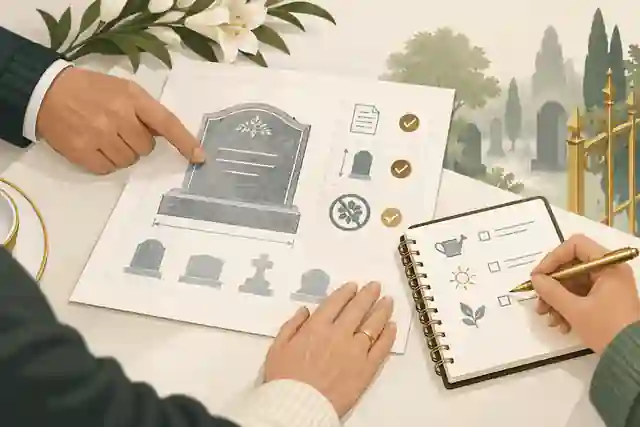
75+ Celebration of Life Ideas and Themes
A large idea bank for planning a celebration of life that feels personal, warm and true to the person being remembered.
Last Updated: June 24, 2026
A celebration of life can feel hard to plan because the brief is simple and personal: honour the person honestly, support the people who come, and avoid turning a meaningful farewell into a generic event. Families are deciding what kind of atmosphere will feel true: quiet, bright, informal, spiritual, funny, outdoors, food-centred, story-led or small enough for everyone to breathe.
This practical idea bank gathers more than 75 celebration of life ideas and themes across venues, activities, music, readings, food, memory sharing, children, outdoor gatherings, low-cost choices and digital tributes. Use it as a menu, not a rulebook. The best celebration of life ideas and themes usually come from ordinary details: the person's garden, favourite meal, weekend sport, workbench, record collection, handwritten notes, service to others or the way they made people feel at home.
Before choosing a format, check any legal, cemetery, cremation, venue, accessibility or family requirements that still apply. Services Australia's death checklist and who to tell when someone dies can help with Australian administration. For grief support, Better Health Victoria grief information is a useful starting point.
What is a celebration of life?
A celebration of life is a farewell or memorial gathering that focuses on the person's story, relationships, values and joys. It may be held instead of a traditional funeral, after a cremation or burial, on an anniversary, or when distant family can finally gather. Some families include formal eulogies and readings; others prefer food, music, stories and photographs. There is no single correct style.
It is still worth being practical. If the gathering follows a death, people may need clear timing, parking, seating, toilets, shade, sound, transport and quiet space. If someone is seriously ill and the event is planned while they are alive, privacy and consent matter. Healthdirect palliative care information and Australian Government palliative care information both recognise that family support can be part of care, not an afterthought.
A good rule is to choose three anchors: one theme, one shared activity and one lasting keepsake. That keeps the event coherent without overloading the family.
How do you choose the right celebration of life theme?
Start with the person, not the room. Write down what guests would immediately recognise: fishing, travel, teaching, gardening, church, footy, books, jazz, cooking, rescue animals, craft, military service, activism, family history, beach walks or a fierce love of tea. Then choose a theme that helps people remember without making them perform grief in a way that feels false.
Personality themes can be gentle: a storyteller's afternoon, a gardener's gathering, a traveller's map table, a music lover's listening session, a maker's workshop display, a sports club morning tea, a teacher's wall of lessons, a beach walk, a family recipe lunch, a volunteer service tribute, a book club memorial, a pet-lover's donation table, a vintage photo room, a candlelit evening, a sunrise breakfast or a backyard barbecue.
Use inclusive wording for invitations and speeches, especially if guests come from different cultures, faiths or family structures. The Australian Government Style Manual inclusive language advice can help hosts avoid assumptions. Keep the tone generous and specific rather than forcing one interpretation.
75+ celebration of life ideas grouped by purpose
Use these ideas as prompts. Combine two or three, adapt them for the venue, and leave out anything that would feel staged.
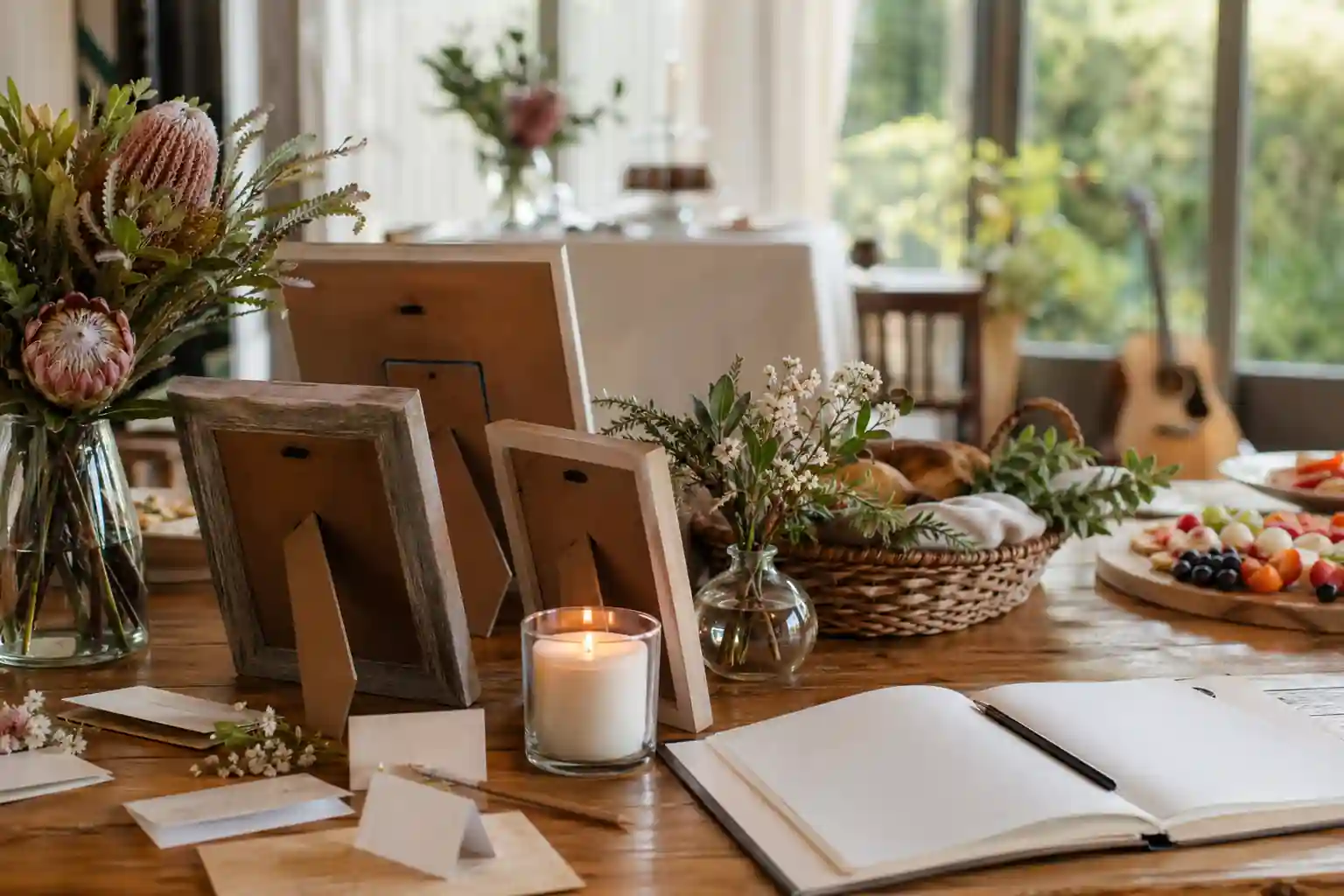
- Create a memory table with photos, keepsakes and a guestbook.
- Ask guests to bring one printed photo and one sentence about the person.
- Set up a story jar for handwritten memories.
- Play an arrival playlist of favourite songs.
- Invite a friend to explain why each song mattered.
- Serve the person's favourite cake, biscuits, curry, barbecue meal or Sunday lunch.
- Display recipes and invite guests to share their own versions.
- Use flowers from the garden or native seasonal flowers.
- Hold a small candle moment with clear fire-safety rules.
- Create a photo timeline from childhood to later life.
- Ask grandchildren to choose one image each.
- Frame favourite sayings around the room.
- Show a short video montage with subtitles.
- Leave space for guests to sit quietly away from the main room.
- Offer memory cards for people who do not want to speak.
- Hold a story circle with a gentle time limit.
- Invite workmates to share one professional lesson.
- Invite club members to bring a uniform, scarf or program.
- Plant a tree or herbs where local rules allow.
- Share seed packets as a take-home reminder.
- Organise a beach walk, park picnic or garden afternoon tea.
- Host a sunrise coffee for an early riser.
- Hold an evening listening session for a music lover.
- Create a reading corner with favourite books.
- Ask guests to donate books to a school or street library.
- Display tools, craft pieces, medals, certificates or handmade objects.
- Make a map of places the person loved.
- Invite distant family to add pins and notes online.
- Serve food from important places in the person's life.
- Use a colour palette from their garden, team or wardrobe.
- Prepare a children's drawing table.
- Let children blow bubbles outside after the formal moment.
- Give children a simple job, such as placing flowers.
- Offer live music if the person loved a local musician.
- Ask a choir, bandmate or friend to perform one piece.
- Read a poem, prayer, letter, song lyric excerpt or family blessing.
- Invite guests to write future birthday notes for children or a partner.
- Record short audio memories in a quiet room.
- Set up a digital slideshow from shared family folders.
- Share a QR code to an online memorial for later tributes.
- Livestream the formal section for people who cannot travel.
- Ask remote guests to send 30-second video messages.
- Keep the camera off during private family moments.
- Create a memory playlist after the event.
- Build a recipe booklet from guest contributions.
- Make a small display of letters and handwriting samples.
- Use place cards with short memories instead of table numbers.
- Invite guests to wear a colour, scarf, badge or flower.
- Keep dress code optional so people are comfortable.
- Organise a charity collection connected to the person's values.
- Offer practical support cards for the family after the event.
- Hold a working bee for a garden, shed or community space.
- Arrange a memorial game, walk, ride or swim if it fits the person.
- Serve tea in mismatched cups from the family cupboard.
- Create a quiet faith or reflection corner.
- Include cultural rituals with permission from the right family members.
- Read a life story rather than a formal obituary.
- Invite three people from different life stages to speak.
- Keep speeches short and offer a written version online.
- Use a celebrant or trusted friend as host.
- Prepare a run sheet so no one has to guess what happens next.
- Choose a venue with access, shade, seating and toilets.
- Provide tissues, water and a quiet exit.
- Use a simple welcome sign without turning the event into a production.
- Make a shared photo album after the gathering.
- Send thank-you messages with a memorial link.
- Preserve the guestbook digitally.
- Return borrowed photos safely after scanning.
- Hold a first-anniversary picnic or online story night.
- Invite guests to cook the person's recipe on their birthday.
- Create a small scholarship, donation drive or kindness project.
- Ask guests to write what they learned from the person.
- Make a playlist for the drive home.
- Let the family leave before the final pack-up begins.
- Ask two helpers to collect cards, photos and keepsakes.
- Add tributes to a lasting online memorial.
What venues work for small and large celebrations?
A small celebration may work best at home, in a garden, at a local cafe, in a park shelter, at a surf club, in a church hall, at a library room or around a kitchen table. A larger gathering may need a community hall, function room, sports club, cultural centre, school hall, funeral venue or outdoor site with wet-weather backup. The venue should support chairs, toilets, parking, shade, pram access, hearing support and food.
For outdoor gatherings, check permits, weather, uneven ground, microphones, power, rubbish, seating and whether ashes, candles, amplified music or planting are allowed. Registration steps are separate from the event; state pages such as registering a death in Victoria explain formal requirements. If costs are a concern, ACCC funeral services information can help families compare service choices.
How can music, readings and food make the farewell feel personal?
Music should tell the truth about the person. It might be classical, country, pub rock, hymns, a film score, a lullaby, a cultural song, a club anthem or a playlist of songs they played while cooking. Choose arrival music, one reflection song and departure music. Avoid a playlist so long that people stop listening.
Readings can come from poetry, scripture, letters, novels, short song excerpts, family sayings or a story written by a relative. If the person hated formality, a simple spoken memory may be better than a famous poem. Food is similar. Scones, a sausage sizzle, fish and chips by the beach, shared plates or tea can say more than expensive catering.
For families facing serious illness before death, National Cancer Institute planning information for caregivers, Cancer Council palliative care information and Cancer Council Victoria palliative care support can help separate care planning from memorial planning.
How should children and family members be included?
Children should be invited gently, not assigned adult grief work. They might draw, choose a song, arrange flowers, place a photo, read one sentence, hand out seed packets or attend for a short time. Dougy Center resources for grieving children and the National Centre for Childhood Grief both focus on age-aware support.
Adults also need boundaries. Not every relative should be asked to speak. Not every story belongs in public. If relationships are complex, nominate one host, one family contact and one person to moderate online tributes. Healthdirect's anticipatory grief information explains that grief may begin before the death, which can affect planning conversations.
What digital or hybrid tribute ideas help distant guests?
Digital tributes work best when they make participation easier without replacing the warmth of the gathering. Useful options include a livestream, private online memorial, shared photo request, video message deadline, digital guestbook, QR code and follow-up email.
Evaheld Memorials can help families collect stories, photos and condolence messages before or after the gathering. The online memorial creation process, adding videos and music to memorials, life story obituary templates, step-by-step eulogy writing and memory table planning are useful next steps.
If you want one private place for guests to contribute photos and memories, you can collect celebration memories in one shared space. Families can also compare Memorials plan options, browse public memorial examples or start from the Evaheld Memorials home experience.
A simple planning checklist
- Choose the tone in three words, such as warm, informal and musical.
- Pick one main theme and one shared activity.
- Confirm venue rules, access, sound, food, parking and wet-weather options.
- Write a short run sheet with arrival, welcome, stories, music, food and closing.
- Ask for photos and memories early, with a clear deadline.
- Nominate helpers for greeting, technology, children, food, clean-up and keepsakes.
- Check costs before committing to catering, flowers, printing or equipment.
- Prepare an online memorial or shared folder for guests who cannot attend.
- Keep private stories private unless the family has agreed they can be shared.
For broader grief and practical support, families may also use Griefline's national support listing, Lifeline support information, Legal Aid NSW information after someone dies and NCBI Bookshelf bereavement care background.
Related Evaheld Memorials guidance
Families working through 75+ Celebration of Life Ideas and Themes often need a few connected decisions in one place: updating QR memorial content, how private and public QR memorial setups differ, cemetery rules for QR codes, where to place a QR code on a headstone, How Much Does a QR Memorial Cost?. These related guides help the article sit inside a fuller memorial planning path rather than leaving each decision isolated.
For Evaheld Memorials product details, the most useful companion pages are subscription or one-time memorial plans, free vs shared tribute plans, information needed to start a memorial, family and friend memorial collaboration, private memorial sharing choices. They explain setup, privacy, contribution and sharing choices before a family invites others into the memorial.
FAQs about 75+ Celebration of Life Ideas and Themes
What should families know about 75+ celebration of life ideas and themes?
A celebration of life can feel hard to plan because the brief is simple and personal: honour the person honestly, support the people who come, and avoid turning a meaningful farewell into a generic event. Families are deciding what kind of atmosphere will feel true: quiet, bright, informal, spiritual, funny, outdoors, food-centred, story-led or small enough for everyone to breathe.
Start with the practical facts, then leave room for memory, emotion and family preferences. subscription or one-time memorial plans can help you organise the Evaheld Memorials side, while Services Australia guidance after a death gives families wider context before decisions feel rushed.
How can families make the farewell personal and respectful?
A respectful plan usually combines clear information, gentle language and a way for close people to contribute at the right time. free vs shared tribute plans supports that shared approach, and USA.gov steps after someone dies is a useful reminder that grief affects people differently.
When should funeral arrangements begin?
Begin as soon as the task would reduce pressure rather than add to it. Families often start with a simple memorial draft, then refine details over time using information needed to start a memorial; GOV.UK guidance after a death can also help with the first administrative steps after a death.
Who should help make the key decisions?
The closest organiser should usually guide the final decisions, but relatives and friends can help with stories, photos and checks. family and friend memorial collaboration explains how collaboration can work, while National Institute on Aging end-of-life guidance outlines broader steps families may need to consider.
Can an online memorial complement the funeral service?
Yes. A memorial page can hold service details, photos, tributes, updates and a lasting place to return to after the immediate arrangements are over. private memorial sharing choices shows how quickly that can begin, and Better Health grief information offers trusted context for bereavement care.
How can families protect private information while planning?
Keep sensitive information out of public copy, review contributions before publishing and choose privacy settings before sharing widely. updating QR memorial content explains private memorial options, while FTC funeral rule information gives practical consumer context around funeral and memorial decisions.
Which documents and service details should be kept together?
Keep the memorial URL, service details, donation preferences, key family contacts and any relevant documents in one place. how private and public QR memorial setups differ helps families compare plan needs, and ACCC funeral services information can support cost and planning conversations.
How can relatives contribute without adding pressure?
Invite people to contribute specific memories, photographs or messages, then review everything before it appears publicly. cemetery rules for QR codes explains tribute and condolence controls, while SAMHSA coping tips offers supportive guidance for people coping with loss.
What common planning mistakes should families avoid?
Avoid rushing public details, copying private messages without permission or turning the page into a list of tasks. where to place a QR code on a headstone helps families understand free and paid options, and Moneysmart funeral costs guidance is useful when funeral-related decisions need clear consumer information.
How can Evaheld Memorials preserve the tribute after the service?
Evaheld Memorials gives families a guided place to create, edit, share and preserve a tribute as needs change. How Much Does a QR Memorial Cost? keeps the memorial grounded in practical setup, while Healthdirect grief support helps families think about comfort and care beyond the page itself.
If you want a calm place to organise memories, tributes, photos and family contributions, create a lasting Evaheld Memorials tribute for your family.
What matters most about 75+ Celebration of Life Ideas and Themes
The most memorable celebration of life is rarely the most elaborate. It is the gathering where guests recognise the person in the music, food, stories, photos, rituals and small details. Choose ideas that reduce pressure on the family, make room for different kinds of grief, and leave something lasting for people who will return to the memories later.
Start with the person's ordinary joys, then build a simple structure around them: a welcoming place, honest stories, a shared activity, familiar food and a way for guests to keep contributing. When families want those memories preserved beyond the room, they can create a lasting tribute from celebration stories.