How to Create an Online Memorial for a Pet
A pet memorial gives families a gentle way to honour the companionship, routines and small joys a beloved animal brought into daily life.
Last Updated: June 24, 2026
Yes, you can absolutely create an online memorial for a pet. For many people, the loss of a dog, cat, horse, bird, rabbit or other companion animal is the loss of a daily presence woven through ordinary life: the greeting at the door, the bedtime routine, the walk, the quiet company, the funny habit nobody else fully understood. That is why a thoughtful pet memorial can matter so much. It gives grief a place to land, and it gives love a place to keep speaking.
An online tribute can be especially helpful when family and friends live in different places, when children want a gentle way to remember, or when you want something more personal than a brief social post. If you want to understand how a dedicated memorial page works online, Evaheld Memorials is designed to help you build a tribute that can hold stories, photos, messages and keepsakes in one calm space.
Pet grief is real. Veterinary support services such as Cornell's pet loss resources, Tufts' pet loss support helpline, Texas A&M's guidance on coping with the loss of a pet, Michigan State's pet loss support group and the Association for Pet Loss and Bereavement all recognise that the human-animal bond can be profound. A memorial does not solve that pain, but it can help you honour the relationship without minimising what has been lost.
Why a pet memorial matters and what to include
A good pet memorial does not need to sound formal. It needs to sound true. The best starting point is usually the same question families ask when they are speaking quietly to each other: what made this pet feel so loved in everyday life? Sometimes the answer is the obvious headline story, but often it is the smaller details. Maybe your dog waited at the same window every afternoon. Maybe your cat slept on one particular jumper. Maybe your horse lifted their ears at one person's voice and relaxed immediately. These are the details that turn a memorial from a record into a remembrance.
If you are unsure where to begin, it can help to first read what to include in an online memorial and then gather only a few strong pieces. Start with the essentials: your pet's name, species or breed if it feels meaningful, favourite photo, dates if you want them included, and a short paragraph about who they were in your family. Then add the memories that make the page feel alive: their routines, favourite places, silly quirks, affectionate habits, special sounds, nicknames, and the way they changed the mood of your home.
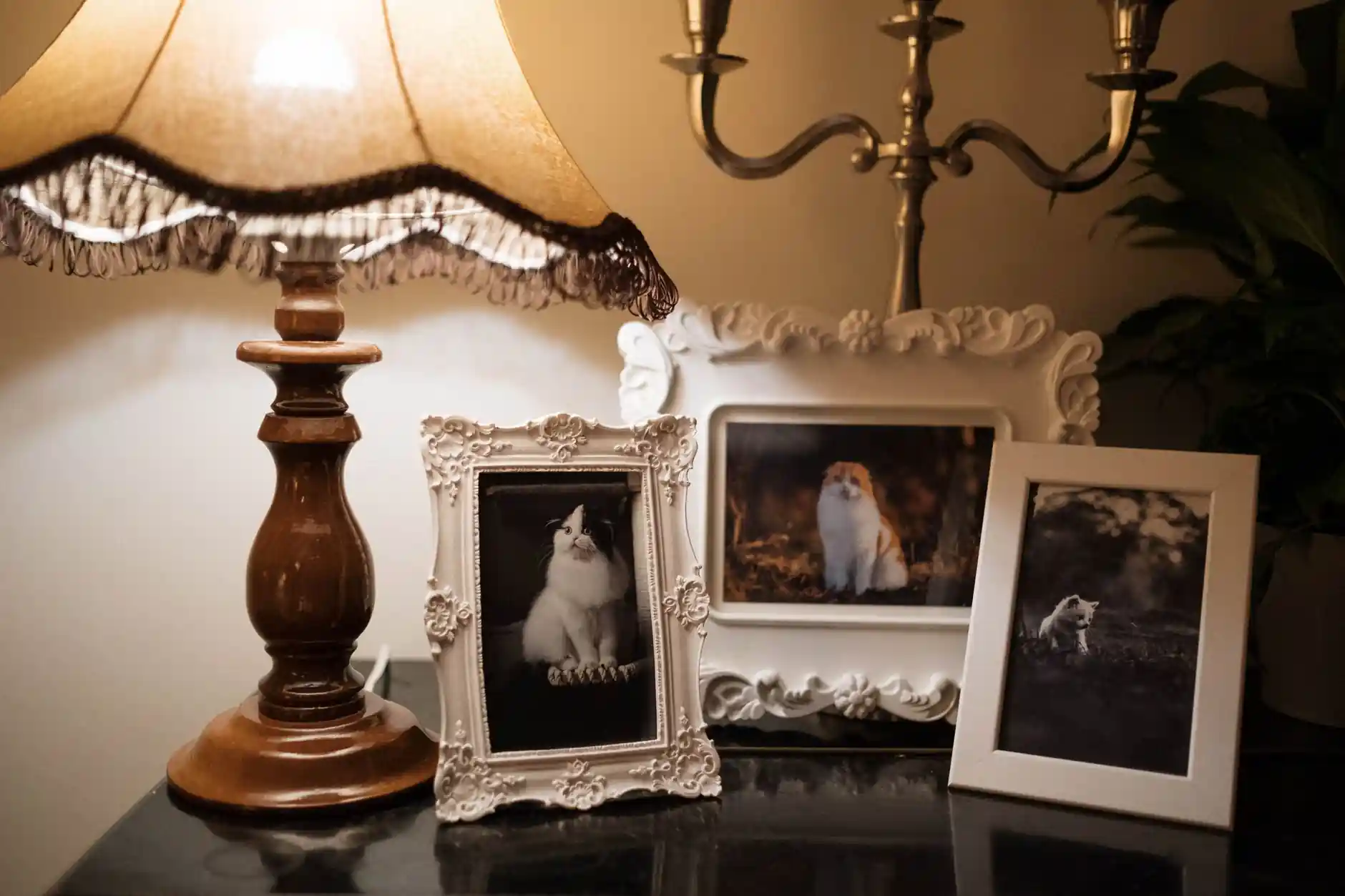
For many families, photos do a lot of emotional work. Try to include more than a posed portrait. A sleeping photo, a muddy paw moment, an image from a beach walk, a snapshot on the sofa, or a picture of your pet with the people who loved them can all deepen the tribute. If you are writing with children, ask them which image feels most like their pet rather than asking which image looks the best. That question usually brings more honest answers.
Tribute messages matter too. A memorial can include a short note from a partner, a child, a sibling, a neighbour, a dog walker, or a friend who knew your pet well. If you want ideas for wording that still feels personal, Evaheld's guide on how to write a memorial tribute is useful for finding language that feels warm rather than stiff. You can also borrow the same collaborative approach behind the Memorials platform by reading about inviting family and friends to help build the memorial and letting loved ones leave tributes and condolences. Even for a pet memorial, those ideas translate beautifully when several people want to contribute photos or stories.
Children should be included in ways that feel safe and simple. They might draw a picture, choose a favourite toy photo, finish the sentence "I always loved it when...", or write one message beginning with "Thank you for...". This makes the memorial less intimidating and gives children permission to grieve in a concrete way. Support organisations such as Cornell and Tufts both highlight that grief can affect concentration, sleep, and emotions differently for each person, so there is no need to force polished words on day one.
Privacy is worth deciding early. Some families want a tribute they can share publicly because friends, school communities, neighbours or extended family members also knew the pet. Others want a private page first while they draft, upload photos, and make sure the tone feels right. If you are weighing that up, it may help to compare private and public memorial options, check which Memorials option supports private sharing, and see what is included on the free Memorials plan. A private start can feel especially helpful if children are involved or if you are still deciding which stories belong on the page.
Here is a simple pet memorial template you can adapt:
Name: [Pet name]
Who they were: [One warm sentence that captures their nature]
Favourite things: [Walks, sunny spots, squeaky toys, shoulder rides, car trips, treats]
What we will always remember: [One or two everyday memories]
Messages from loved ones: [Short tributes or thank-yous]
Keepsakes: [Collar, paw print, tag, blanket, favourite photo, ashes or donation note]
If you still feel you do not have enough information to begin, Evaheld's help on what information you need to start a memorial and how quickly you can create one can reduce the pressure. A loving first version does not need to be complete. It only needs to be honest.
How to shape the tribute, keep it gentle, and let it grow over time
Once you have the basics, the next step is making the memorial feel like a living tribute rather than a single announcement. This is where favourite memories, messages, privacy choices and keepsakes all come together. You might add a short story about the first day your pet came home, a sentence about the way they comforted you through hard seasons, or a note about how they greeted visitors, guarded the garden, demanded breakfast, or claimed the best patch of sun. Those details matter because they help visitors recognise the bond, not just the loss.
Tribute messages can stay beautifully simple. A child might write, "Thank you for sleeping on my bed every stormy night." A friend might write, "You were the happiest old lab on every camping trip." A neighbour might remember how your cat greeted them from the fence each morning. If several people want to contribute, it can help to read how memorial pages can hold messages from others and how to create an online memorial step by step. The same gentle structure works well for pets because people often carry very different kinds of memories.
Keepsake ideas can also give the page warmth without making it cluttered. You could photograph a collar, favourite toy, lead, bed, blanket, paw print impression, stable ribbon, bird bell, feeding bowl, engraved tag, or a handwritten note from a child. If your family also wants an offline ritual, Cornell specifically suggests memorial ideas such as keeping a photo with treasured items nearby, writing down memories, creating a scrapbook, planting something meaningful, or making a donation in memory of your pet. These ideas work well alongside an online page because they let remembrance move between the digital and physical parts of family life.
It is also okay for the memorial to change. Many people publish a simple first version and then add more later: an anniversary note, a new photo that a relative found, a message from a friend, or a keepsake image that was too hard to upload in the first week. This is one reason Evaheld's article on updating an online memorial over time is worth reading. A pet memorial does not need to freeze grief at one moment. It can become a quiet place that grows as memory settles.
If you are deciding whether the page should stay visible more broadly, think about audience. Some families want a shareable tribute because classmates, neighbours, club members or fellow pet lovers knew the animal too. Others prefer a small private circle. Either choice can be respectful. What matters is that the setting matches the emotional needs of the people who are grieving. Because pets often bridge generations, private sharing may feel gentler when children are revisiting the page or when adults want time to refine wording before others see it.
It can also help to think beyond the first week. Many families come back to a pet memorial on birthdays, gotcha days, adoption anniversaries, Christmas, or the anniversary of the day they said goodbye. A well-made page gives you somewhere to place those later feelings without needing to start over each time. You might add one memory every few months, upload a newly found photo, or note the charitable donation made in your pet's honour. If your family likes rituals, the memorial can quietly support them: a yearly message from the children, a photo of the garden where ashes were scattered, or a note about the rescue organisation you now support because of that pet's life.
For some people, this ongoing quality is what makes an online memorial more helpful than a single social post. Social feeds move on quickly. A memorial page stays organised and revisitable. It can hold the first grief, but also the softer later remembrance that often arrives when the shock has passed. That is especially meaningful for pets, because their companionship often lived in repeated daily patterns. A memorial that can be updated honours that rhythm better than a one-time announcement does.
If you are supporting a child, an older relative, or anyone who is finding the loss hard to talk about, the memorial can also become a conversation aid. Instead of asking abstract questions about grief, you can look at one photo together and ask what they remember most, what sound the pet made at dinner time, or what nickname still makes them smile. Those smaller prompts are often easier than asking for one perfect tribute. They also give people a way to participate without feeling that they must write something long or formal.
Finally, remember that an online memorial is not about proving your grief. It is about giving shape to love. That is especially important when someone says, however carelessly, that it was "just a pet". The resources from Cornell, Tufts, Texas A&M, Michigan State and APLB all make clear that grief after the death of a companion animal can be deep and legitimate. A memorial can acknowledge that truth with tenderness.
Related Evaheld Memorials guidance
Families working through How to Create an Online Memorial for a Pet often need a few connected decisions in one place: adding donation links to memorials, human composting forest path memorial idea for Evaheld Memorials — visual about What should families ask before choosing recomposition? for What Is Human Composting by Evaheld Memorials, How to Find an Online Memorial or Death Notice, Are Online Memorials Appropriate? A Thoughtful Guide, what happens if a memorial service ever closes. These related guides help the article sit inside a fuller memorial planning path rather than leaving each decision isolated.
For Evaheld Memorials product details, the most useful companion pages are private memorial sharing choices, tributes and condolences on a memorial, how quickly can I create an online memorial, plans with private memorial options, subscription or one-time memorial plans. They explain setup, privacy, contribution and sharing choices before a family invites others into the memorial.
FAQs about How to Create an Online Memorial for a Pet
How do you create an online memorial for a pet?
Yes, you can absolutely create an online memorial for a pet. For many people, the loss of a dog, cat, horse, bird, rabbit or other companion animal is the loss of a daily presence woven through ordinary life: the greeting at the door, the bedtime routine, the walk, the quiet company, the funny habit nobody else fully understood. That is why a thoughtful pet memorial can matter so much. It gives grief a place to land, and it gives love a place to keep speaking.
Start with the practical facts, then leave room for memory, emotion and family preferences. private memorial sharing choices can help you organise the Evaheld Memorials side, while GOV.UK guidance after a death gives families wider context before decisions feel rushed.
How can an online tribute feel personal and respectful?
A respectful plan usually combines clear information, gentle language and a way for close people to contribute at the right time. tributes and condolences on a memorial supports that shared approach, and National Institute on Aging end-of-life guidance is a useful reminder that grief affects people differently.
When should a family create or review the memorial?
Begin as soon as the task would reduce pressure rather than add to it. Families often start with a simple memorial draft, then refine details over time using how quickly can I create an online memorial; Better Health grief information can also help with the first administrative steps after a death.
Who should manage the page and approve contributions?
The closest organiser should usually guide the final decisions, but relatives and friends can help with stories, photos and checks. plans with private memorial options explains how collaboration can work, while FTC funeral rule information outlines broader steps families may need to consider.
What content belongs on the memorial page?
Yes. A memorial page can hold service details, photos, tributes, updates and a lasting place to return to after the immediate arrangements are over. subscription or one-time memorial plans shows how quickly that can begin, and ACCC funeral services information offers trusted context for bereavement care.
How can families control privacy and sharing?
Keep sensitive information out of public copy, review contributions before publishing and choose privacy settings before sharing widely. adding donation links to memorials explains private memorial options, while SAMHSA coping tips gives practical consumer context around funeral and memorial decisions.
Which account details and backups should be retained?
Keep the memorial URL, service details, donation preferences, key family contacts and any relevant documents in one place. human composting forest path memorial idea for Evaheld Memorials — visual about What should families ask before choosing recomposition? for What Is Human Composting by Evaheld Memorials helps families compare plan needs, and Moneysmart funeral costs guidance can support cost and planning conversations.
How can relatives contribute safely?
Invite people to contribute specific memories, photographs or messages, then review everything before it appears publicly. How to Find an Online Memorial or Death Notice explains tribute and condolence controls, while Healthdirect grief support offers supportive guidance for people coping with loss.
What common online memorial mistakes should families avoid?
Avoid rushing public details, copying private messages without permission or turning the page into a list of tasks. Are Online Memorials Appropriate? A Thoughtful Guide helps families understand free and paid options, and Services Australia guidance after a death is useful when funeral-related decisions need clear consumer information.
How does Evaheld Memorials support long-term preservation?
Evaheld Memorials gives families a guided place to create, edit, share and preserve a tribute as needs change. what happens if a memorial service ever closes keeps the memorial grounded in practical setup, while USA.gov steps after someone dies helps families think about comfort and care beyond the page itself.
If you want a calm place to organise memories, tributes, photos and family contributions, create a lasting Evaheld Memorials tribute for your family.