Online Memorial Resources for Families
A practical hub for online memorials, funeral planning, eulogies, grief support, green burials and preserving family stories.

Last Updated: June 24, 2026
Families often arrive at the Evaheld Memorials Blog because they are trying to make several decisions at once. They may need to create an online memorial, plan a funeral, write a tribute, understand cremation, choose whether a memorial should be private, or preserve family stories before details fade. This resource hub is designed as a calm starting point. It points you towards the most useful Evaheld Memorials Blog resources and the official, non-commercial references that can support practical decisions.
Use this hub like a table of contents, not a rule book. If you are in the first few days after a death, start with immediate administration and funeral planning. If the service has already happened, move towards tributes, photos, messages, and family history. If relatives are spread across places, focus first on the resources that help you create one shared space. The aim is to help you choose the right next reading, not to add another complicated task.
For a broad view of the product itself, the Evaheld Memorials homepage explains the service, while the public memorial examples area can help families see what a finished tribute may feel like. When you are comparing access, privacy, and storage needs, the memorial plan options are the practical place to check before inviting contributors.
Start here: digital memorials and tribute pages
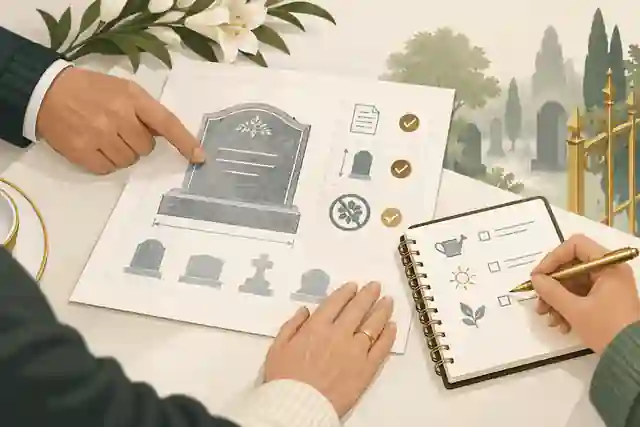
If the core question is "how do we create a respectful online place for everyone?", begin with the digital memorial resources. The clearest first step is creating an online memorial, which explains how a memorial can hold a person's story, photographs, funeral details, condolences, and ongoing tributes. Next, use what to include in a memorial page to decide what belongs in the first version and what can be added later.
A good memorial does not need to be complete on day one. Many families begin with a short life summary, one strong photo, key service details, and an invitation for others to contribute. The official Australian steps after someone dies can help with administration, while Evaheld's answer on creating a memorial quickly keeps the digital side simple. If you need to know what to gather before you begin, use the memorial preparation checklist before opening a new page.
Privacy is usually worth deciding early. A public tribute can help wider friends find service details and leave messages, but a private memorial may suit families who want more control. Evaheld's answer on keeping a memorial private until it is ready should be read alongside the OAIC explanation of personal information and privacy rights, because names, photos, relationships, dates, and condolences can all be sensitive.
Funeral planning, costs, and service details
Funeral planning resources are most useful when they separate emotional choices from administrative tasks. Start with funeral planning costs if you need to understand the main budget categories. The NSW Government's information on arranging a funeral and the ACCC's overview of funeral services and consumer rights are useful external checks when comparing providers, inclusions, and contracts.
If a family has time to discuss preferences, the NSW Government resource on recording funeral wishes can help turn vague ideas into practical notes. Where money is a concern, Services Australia outlines help available when an adult dies, and Moneysmart explains funeral insurance considerations. These are not substitutes for personal advice, but they help families ask clearer questions before committing to a provider or product.
Once dates and locations are settled, an online memorial can reduce repeated messages. A memorial page can hold service times, livestream details, donation preferences, travel notes, and updates in one place. Families who want to include relatives in the process can use Evaheld's answer on inviting family and friends to help so responsibility does not sit with one person.
Cremation, green burial, and end-of-life choices
Some readers arrive with a specific question about cremation or burial. If cremation is being considered, read understanding cremation before comparing packages, timing, and ceremony choices. If environmental values matter, use green and natural burial options as a starting point, then confirm what is available locally with cemeteries, funeral directors, and relevant state rules.
These choices are personal and often shaped by culture, faith, budget, land availability, timing, and family expectations. A resource hub can help by keeping the research organised. Use official consumer information for contracts and costs, then use the memorial itself to explain the family's chosen farewell in clear, respectful language. That helps guests understand the service, what to bring, whether flowers are appropriate, and how to leave a tribute.
When death registration or estate administration is happening at the same time, practical references matter. Service NSW explains how to register a death, and Legal Aid NSW outlines issues around funeral arrangements after someone dies. Requirements vary by jurisdiction, so use these as starting points and confirm the rules that apply where the death occurred.
Eulogies, tributes, and words for a difficult day
Writing after a loss can feel heavy because the words have to do several jobs. They need to honour the person, support listeners, avoid exaggeration, and fit the time available. The Evaheld resource on writing a eulogy is the best starting point for service remarks, while condolences and tributes on a memorial explains how a digital guestbook can collect shorter messages from people who cannot speak at the service.
A useful tribute usually begins with one true detail: a habit, phrase, place, recipe, song, kindness, lesson, or story. From there, it can show the person's relationships and the way they made others feel. It does not need to summarise an entire life. For many families, a mix of one formal eulogy and many smaller written tributes gives a fuller picture than one speech alone.
Grief can also affect concentration and decision-making. Better Health Victoria's information on grief and bereavement and the Australian Centre for Grief and Bereavement at Grief Australia can support families who need language for what they are experiencing. If someone is in immediate danger or needs urgent mental health support, contact local emergency or crisis services rather than relying on a memorial resource.
Photos, video, audio, and family history
After the service, many families shift from immediate announcements to preservation. That may mean scanning photos, recording stories, saving voice notes, collecting recipes, or asking relatives for context. Evaheld's resource on preserving family history helps turn that impulse into a manageable project. The National Library of Australia's family history research guide and the National Archives of Australia's family research guidance can help when stories connect to records, migration, service history, or older documents.
Digital files deserve care. The Library of Congress has practical information on preserving family photographs and caring for recorded sound, while Digital Preservation guidance on personal digital archiving is useful when families are collecting files across phones, laptops, cloud folders, and old drives. If you add captions or transcripts, the W3C resource on media transcripts can make video and audio memories easier for more relatives to use.
Online memorials work best when they do not try to hold everything at once. Choose a small first collection: ten photographs, three short stories, one service program, and a few messages from close family. Then add more over time. This keeps the memorial warm and readable while preserving the option to grow.
How to choose the right Evaheld Memorials Blog resource
Use the reader's immediate decision to choose the next resource. If the family is deciding whether an online memorial is appropriate, start with product and privacy resources. If they are organising a service, start with funeral planning, costs, cremation, burial, eulogies, and service details. If they are ready to preserve a life story, start with family history, photos, recordings, and tribute collection.
A simple path works for most families. First, read one practical external source for the administrative or consumer question. Second, read the matching Evaheld Memorials Blog resource for the memorial or tribute task. Third, decide what belongs on the memorial today. Fourth, invite one or two trusted contributors. Finally, keep a short list of what can wait until later.
If several relatives are helping, make the hub part of a shared plan. One person can handle dates and service information, another can gather photographs, and another can invite written memories. That division matters because grief often makes small tasks feel much larger than they look from the outside. A clear resource path lets helpers contribute without changing the tone of the memorial or overwhelming the person closest to the loss.
It is also worth separating permanent facts from evolving memories. Names, dates, service times, cemetery details, cremation information, and donation preferences should be checked carefully before sharing. Stories, captions, recipes, playlists, voice notes, and reflections can grow over time. This distinction helps families publish something useful quickly while still leaving room for a richer record later.
When you are unsure which topic comes next, ask what question the family is trying to answer today. "How do we tell people?" points towards a memorial setup resource. "What will this cost?" points towards funeral planning. "What should I say?" points towards eulogy and tribute support. "How do we keep this safe?" points towards privacy, contributor access, and digital-account planning. "How do we remember more than the service?" points towards family history and archive resources.
For readers who prefer a quick sequence, use this order: confirm urgent practical steps, choose whether the memorial is public or private, add the basic life story, publish only the service details that are confirmed, then invite contributions. After that, return to richer material such as older photographs, captions, audio memories, favourite sayings, and family-history notes. This keeps the first version respectful and useful without asking anyone to solve every memory question at once.
Review the hub again when circumstances change. A memorial may start as a funeral notice, then become a condolences space, then become a family archive. Each stage needs a different kind of resource, and the best order is the one that reduces pressure on the people doing the work. That is especially useful when relatives are contributing from different cities, time zones, or levels of readiness.
Before publishing or sharing a memorial, check names, dates, permissions for photos, privacy settings, service details, and any family sensitivities. If you want a single space where people can gather stories and messages without waiting for a perfect archive, begin a shared memorial space with Evaheld.
Resource map by topic
| Image | Source | Purpose | Status |
|---|---|---|---|
| Feature image | Existing Ghost-hosted Unsplash selection | Resource hub header image preserved from existing post | Checked before update |
Related Evaheld Memorials guidance
Families working through online Memorial Resources for Families often need a few connected decisions in one place: how to create an online memorial, how to assess memorial websites, whether online memorials are free, online memorial cost choices, how long online memorials last. These related guides help the article sit inside a fuller memorial planning path rather than leaving each decision isolated.
For Evaheld Memorials product details, the most useful companion pages are information needed to start a memorial, family and friend memorial collaboration, private memorial sharing choices, tributes and condolences on a memorial, quick online memorial setup. They explain setup, privacy, contribution and sharing choices before a family invites others into the memorial.
FAQs about online Memorial Resources for Families
What should families know about online memorial resources for families?
Families often arrive at the Evaheld Memorials Blog because they are trying to make several decisions at once. They may need to create an online memorial, plan a funeral, write a tribute, understand cremation, choose whether a memorial should be private, or preserve family stories before details fade. This resource hub is designed as a calm starting point. It points you towards the most useful Evaheld Memorials Blog resources and the official, non-commercial references that can support practical decisions.
Start with the practical facts, then leave room for memory, emotion and family preferences. information needed to start a memorial can help you organise the Evaheld Memorials side, while SAMHSA coping tips gives families wider context before decisions feel rushed.
How can an online tribute feel personal and respectful?
A respectful plan usually combines clear information, gentle language and a way for close people to contribute at the right time. family and friend memorial collaboration supports that shared approach, and Moneysmart funeral costs guidance is a useful reminder that grief affects people differently.
When should a family create or review the memorial?
Begin as soon as the task would reduce pressure rather than add to it. Families often start with a simple memorial draft, then refine details over time using private memorial sharing choices; Healthdirect grief support can also help with the first administrative steps after a death.
Who should manage the page and approve contributions?
The closest organiser should usually guide the final decisions, but relatives and friends can help with stories, photos and checks. tributes and condolences on a memorial explains how collaboration can work, while Services Australia guidance after a death outlines broader steps families may need to consider.
What content belongs on the memorial page?
Yes. A memorial page can hold service details, photos, tributes, updates and a lasting place to return to after the immediate arrangements are over. quick online memorial setup shows how quickly that can begin, and USA.gov steps after someone dies offers trusted context for bereavement care.
How can families control privacy and sharing?
Keep sensitive information out of public copy, review contributions before publishing and choose privacy settings before sharing widely. how to create an online memorial explains private memorial options, while GOV.UK guidance after a death gives practical consumer context around funeral and memorial decisions.
Which account details and backups should be retained?
Keep the memorial URL, service details, donation preferences, key family contacts and any relevant documents in one place. how to assess memorial websites helps families compare plan needs, and National Institute on Aging end-of-life guidance can support cost and planning conversations.
How can relatives contribute safely?
Invite people to contribute specific memories, photographs or messages, then review everything before it appears publicly. whether online memorials are free explains tribute and condolence controls, while Better Health grief information offers supportive guidance for people coping with loss.
What common online memorial mistakes should families avoid?
Avoid rushing public details, copying private messages without permission or turning the page into a list of tasks. online memorial cost choices helps families understand free and paid options, and FTC funeral rule information is useful when funeral-related decisions need clear consumer information.
How does Evaheld Memorials support long-term preservation?
Evaheld Memorials gives families a guided place to create, edit, share and preserve a tribute as needs change. how long online memorials last keeps the memorial grounded in practical setup, while ACCC funeral services information helps families think about comfort and care beyond the page itself.
If you want a calm place to organise memories, tributes, photos and family contributions, create a lasting Evaheld Memorials tribute for your family.
What matters most about Online Memorial Resources for Families
The best resource is the one that helps with the next decision in front of you. For some families, that is a funeral cost question. For others, it is a tribute, a private memorial, a cremation choice, a set of photos, or a family-history project. Keep the first step small, use official sources for practical claims, and let the memorial grow as relatives are ready to contribute. When you want one respectful place for stories, photos, service details, and condolences, create a family memorial with Evaheld today.
Related Evaheld resources
Continue with these carefully selected Evaheld Memorials guides and answers.