Green vs Traditional Burial: Cost, Carbon and Rituals
A grounded guide to green and traditional burial, covering costs, cemetery rules, environmental impact and the family rituals that shape a farewell.
Last Updated: 3 February 2026
Choosing between green and traditional burial is rarely only about money. Families are usually weighing budget, environmental impact, cemetery availability, faith, personal values and the comfort of choosing something relatives can understand and support. That is why the choice is better approached as a full farewell decision, not a single product comparison.
In Australia, the official guidance on funeral costs, the NSW overview of burial options and Western Australia’s summary of how to choose a cemetery or memorial park all point to the same reality: prices, rules and memorial choices vary from operator to operator. This guide keeps that variation in view so the two approaches can be compared fairly.
A useful starting principle is to decide what cannot be compromised. Some families cannot imagine farewelling a loved one without a marked grave they can return to. Others feel just as strongly that avoiding unnecessary materials is part of honouring the person properly. Once that core need is named, the rest of the comparison becomes calmer and more concrete.
What does green vs traditional burial actually mean?
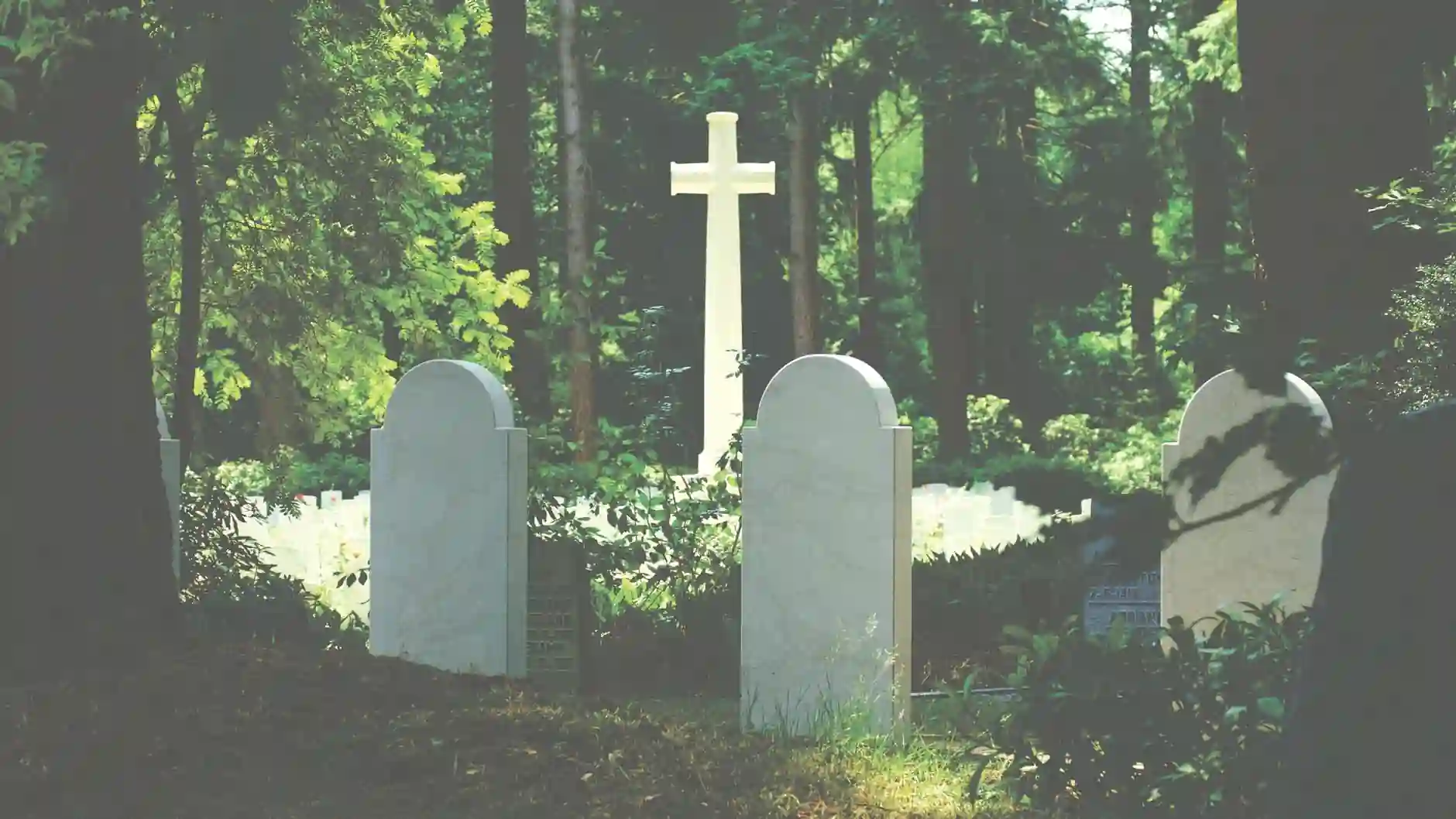
A green burial, sometimes called a natural burial, aims to let the body return to the earth with as little synthetic material and long-term site disturbance as possible. The NSW natural burial quick guide, the South Australian overview of natural burials and the WA guide to natural burials all describe biodegradable coffins or shrouds, minimal non-toxic materials and more restrained memorialisation as core features.
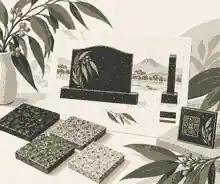
Traditional burial usually offers a wider menu of familiar choices: a conventional coffin or casket, a marked grave, broader memorial styles and the option of a more formal sequence of viewing, service and graveside committal. For some families, that familiarity matters deeply. It can feel easier to explain, easier to visit and easier to place within long-standing family practice.
The most practical difference is not that one is caring and the other is not. It is that green burial narrows materials, grave presentation and often location choice on purpose, while traditional burial leaves more room for permanence, visible markers and ceremony customisation. Both can be respectful. Both can be beautiful. They are simply built around different priorities.
How do costs compare once everything is counted?
Green burial can cost less in some circumstances, but it is not automatically the cheaper option. The current ASIC MoneySmart guide to paying for funerals and the NSW page on how much funerals cost both break funeral pricing into components such as the funeral director, transport, the coffin, burial or cremation fees, cemetery costs and optional ceremony extras. That is the right frame for comparison.
A natural burial may reduce or remove some items, such as embalming, elaborate coffin materials or a large permanent monument. But the savings can be offset if the nearest natural burial area is far away, if the plot is scarce, or if the family still wants a substantial service around the burial. A traditional burial can also be modest if the coffin, floral spend, notices, catering and memorial stone remain simple.
It also helps to separate cemetery rights from funeral emotion. Victoria’s guidance on rights of interment makes clear that burial arrangements involve formal rights and conditions, not just the purchase of a patch of land. If ashes are part of the wider family plan, the Victorian rules for interring cremated remains are a useful reminder that approvals, fees and record keeping still matter after cremation.
Families who want clearer numbers can pair those official cost categories with Evaheld guidance on funeral costs in Australia and decide separately whether they also want a lasting digital tribute. That avoids loading every remembrance expense into the burial choice itself.
When you ask for quotes, ask for each line item separately rather than accepting a bundled total. Families should know the cost of transfer, care of the body, the funeral director’s professional fee, the container used for burial, cemetery or memorial park fees, weekend or after-hours surcharges and any charge for plaques, stones or communal memorial features. That makes two quotes genuinely comparable instead of emotionally persuasive.
It can also help to decide which expenses honour the person and which merely follow habit. Some people care deeply about music, readings and a shared meal afterwards but have no attachment to an elaborate coffin. Others care about a permanent physical marker above all else. Cost clarity improves when the family distinguishes meaningful ritual from inherited default settings.
Which option usually has the lower environmental impact?
Green burial is usually chosen because it aims to reduce material use and keep the grave environment closer to bushland or meadow conditions. The WA overview of natural burials, the Sunshine Coast description of its natural burials area and Adelaide Cemeteries’ explanation of dedicated natural burial areas all emphasise biodegradable materials, minimal grave markers and land management that differs from conventional lawn cemetery practice.
Traditional burial may have a heavier footprint when it involves embalming, imported stone, concrete elements, highly processed coffin materials or long-term manicured maintenance. Yet the comparison is still broader than the grave itself. Travel, flowers, service venues, catering and how far relatives must travel can change the total impact of either option.
For that reason, families should avoid easy slogans. Ask whether the cemetery has a natural burial policy, what memorial forms are allowed, whether graves are visually marked, how the grounds are maintained and whether local options reduce travel. Even a conventional burial can be made lighter in impact when the family simplifies materials and ceremony choices.
The environmental question is also linked to land character. The WA notes on Pinnaroo Valley Memorial Park and the overview of Karrakatta Cemetery show how different cemetery environments can feel even before families look at the memorial rules. A greener setting may be emotionally meaningful in its own right, not just environmentally symbolic.
What cemetery rules and memorial choices matter most?
Availability is often the first hard reality. The NSW consumer material on burial and cremation rights and the Cemeteries & Crematoria NSW advice to ask some questions both reinforce that families should read each operator’s policies rather than assuming every cemetery handles green burial in the same way.
Rules can cover whether embalming is accepted, whether a biodegradable shroud is allowed, whether graves are pre-purchased, whether a permanent marker is permitted and how visitors later locate the grave. The WA material on Pinnaroo Valley Memorial Park and the Bunbury Cemetery Board guidance on burials and natural burial areas show how these local details shape the family experience after the funeral day has ended.
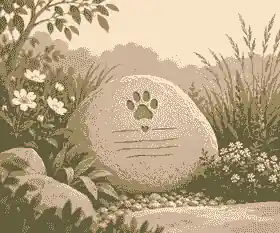
This is where memorial preferences matter. Some relatives need a visible stone, plaque or established section to visit. Others feel comfortable with GPS-recorded locations, communal memorial spaces or a simpler natural setting. Neither need is trivial. A green burial may suit the values of the person who died, but it can still be the wrong fit if key family members would feel distressed by the absence of a conventional marker.
When families want a physical burial choice and a richer place to gather stories, photos and service details, it can help to separate the two. Evaheld Memorials offers ways online memorials work, an overview of what an online memorial can hold and the option to browse public tributes on Explore Memorials. That can ease pressure on the gravesite to do every remembrance job by itself.
How do rituals, faith and family expectations shape the decision?
Burial choices are never only technical. Ritual gives people structure when they are exhausted, shocked or conflicted. The healthdirect information on grief support and anticipatory grief is a useful reminder that family members can be processing loss at different speeds even before a funeral decision is made.
A traditional burial may feel safer for a family that wants a graveside service, established symbolism or a more recognisable sequence of washing, viewing, prayers, eulogies and committal. A green burial may feel more congruent for someone who cared deeply about land use, simplicity or avoiding unnecessary materials. The most compassionate choice is usually the one that honours the person without leaving relatives feeling shut out of the farewell.
Compared side by side, the emotional test is simple: which option will still feel respectful after the paperwork, invoices and logistics are over? If the answer is unclear, families often benefit from pausing, gathering written cemetery rules and talking through what really matters at the grave, at the service and in the months after the burial.
This is also why conversations with children, siblings and older relatives matter. A burial decision that looks ideal on paper can become painful if the family later discovers they were imagining completely different kinds of grave, marker or visiting experience. A short conversation now about what the place should feel like can prevent a longer conflict after the death has occurred.
For some families, the answer will be a blended approach: a simpler burial choice paired with a richer memorial practice elsewhere. That could mean a natural grave and a separate gathering, or a conventional burial with a minimal monument and a fuller online place for photos, service details and messages. The practical point is that no single burial choice has to carry every emotional task.
When does each option usually fit best?
Green burial often fits best when the person expressed clear environmental values, when the family is comfortable with a less formal visual marker and when a suitable site exists without difficult travel or major compromise. It can also fit families who want simplicity and who do not need the grave itself to carry most of the memorial weight.
Traditional burial often fits best when visible memorialisation is central, when the family expects a conventional cemetery setting, or when cultural and religious custom make a marked grave especially important. It may also be the steadier choice when the nearest natural burial option is too far away or too restricted for the practical needs of relatives who will visit later.
Neither option should be treated as morally superior in the abstract. The better fit is the one that the family can explain clearly, pay for honestly and live with peacefully after the day of the funeral.
What should you ask before you book anything?
- Is the site actually available in the location your family can reach without undue travel strain?
- What fees are separate from the plot or interment right, including grave preparation, ceremony use and memorial items?
- Are embalming, shrouds, biodegradable coffins or ash interments allowed under the cemetery’s written policy?
- Will there be an individual marker, a communal memorial feature or only a mapped location?
- Can the plot be pre-purchased and, if so, what rights and conditions come with it?
- How will future relatives locate and visit the grave?
- Which parts of the ceremony are important for faith, culture or family expectation and which are optional?
- What remembrance needs could be handled separately through Evaheld Memorials, Evaheld Memorials plans or practical guides on adding service details online and creating a memorial space?
A practical way to compare both options
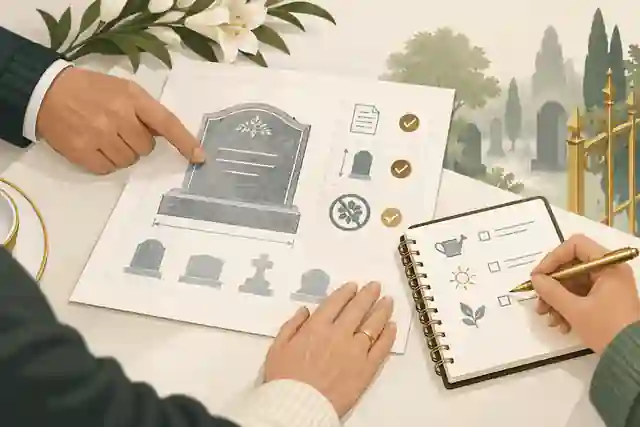
Write two short columns: one for green burial and one for traditional burial. Under each, list total likely costs, cemetery restrictions, travel, marker style, ceremony fit and how comfortable close relatives feel about the option. That simple exercise usually reveals whether the decision is really about money, environmental values, memorial visibility or family harmony.
If the family wants to keep the burial simple while still preserving stories, condolences and service details in one place, open a quiet memorial space for stories and funeral details before the FAQ section below. It gives relatives somewhere stable to gather while the burial choice is being finalised.
Frequently Asked Questions about Green vs Traditional Burial: Cost, Carbon and Rituals
Is green burial always cheaper than traditional burial?
No. Green burial can remove some costs, but the total still depends on plot scarcity, travel, funeral director fees and the kind of service you choose. The NSW guide on funeral costs and Evaheld’s piece on how families budget for a farewell are useful starting points.
Do green burials allow a headstone?
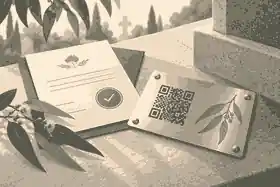
Sometimes, but not always. Many natural burial areas limit memorials to communal markers, plaques or mapped grave locations rather than a conventional upright headstone. The Sunshine Coast explanation of natural burials shows how those restrictions can work, while Evaheld explains which memorial option includes a QR plaque when families want a separate physical-digital tribute.
Can a traditional burial still be environmentally mindful?
Yes. Families can reduce impact by simplifying coffin materials, avoiding unnecessary extras and choosing local arrangements where possible. The NSW overview of burial options helps frame those choices, and Evaheld’s guide to online memorial essentials can take some remembrance pressure off the gravesite itself.
Is embalming required for a green burial?
Often no, but the answer depends on the cemetery, the condition of the body and the timing of the funeral. Adelaide Cemeteries’ page on natural burial requirements is a good example of why families should confirm local rules, while Evaheld answers what can be included in a funeral tribute memorial if viewing or service details need to be shared elsewhere.
How do I know whether a cemetery’s natural burial option is genuine?
Ask for the written policy. Look for clear rules on biodegradable materials, memorial markers, grave mapping, embalming and ongoing site management. The NSW advice to ask informed questions helps, and Evaheld shows how quickly a memorial can be created if relatives need a shared place while those checks are underway.
Can ashes be part of the same family plan?
Yes, but different rules apply. Victoria’s guidance on interring cremated remains explains approvals, fees and tenure choices, and Evaheld’s piece on sharing service and memorial details online can help families coordinate mixed burial and cremation plans.
What if relatives disagree about green burial?
That is common, especially when grief, faith and family memory all meet in one decision. healthdirect’s Griefline support information can help families understand different grief responses, and Evaheld explains how to keep a memorial private while those conversations settle.
Can we compare green and traditional burial before someone dies?
Yes, and it is often easier before immediate grief arrives. The WA guide to choosing a cemetery or memorial park supports that planning approach, and Evaheld covers how to build a memorial space when families want plans and memories organised early.
Will a green burial make visiting harder for future generations?
It can, especially if the cemetery uses natural landscaping and limited grave markers. The Bunbury explanation of natural burial areas shows why families should ask how graves are recorded, and Evaheld outlines what the free memorial option includes when relatives want an easy place to revisit stories and dates online.
What if we want both a simple grave and a richer place for memories?
That combination is often the most workable answer. A simpler burial can sit alongside a digital memorial that holds the eulogy, photos, timings and condolences. The Victorian explanation of interment rights clarifies what the grave arrangement covers, and Evaheld explains how a memorial can be generated from one prompt when the family wants a quick starting point.
Choosing with clarity
Green burial and traditional burial can both be loving choices. The better question is which one best fits the person, the cemetery rules, the family’s practical limits and the way relatives will want to remember and revisit the farewell later.
If your family wants the burial decision and the storytelling space to work together, begin a private memorial where stories, condolences and service details can stay together.
Related Evaheld resources
Continue with these carefully selected Evaheld Memorials guides and answers.