Green & Natural Burials: Options, Costs and Planning
A practical hub for natural burial, green cemeteries, biodegradable urns, tree burials and lower-impact farewell choices.
Last Updated: June 24, 2026
Green and natural burials raise practical questions as much as emotional ones. Families may want a farewell that uses fewer synthetic materials, feels closer to the earth and avoids unnecessary display, but still honours the person with care. The words options, costs and planning matter because a natural burial is not one product. It is a series of local decisions about cemetery rules, body care, coffins or shrouds, ashes, markers, family travel and the way memories will be kept.
This hub is for families comparing eco burial, natural cemetery choices, biodegradable products, tree burials and lower-impact rituals. It uses Australian English and keeps the main warning close: rules vary by location. A cemetery, council or burial authority can accept one material and reject another. A funeral director may support shroud-only burial at one site and need a coffin at another. Use this as a calm starting point, then confirm everything in writing before you buy products or make promises to relatives.
It also helps to name the emotional trade-off early. Some relatives may hear natural burial and picture a beautiful landscape; others may worry that the farewell will feel too plain, too remote or too different from family tradition. Clear planning gives everyone a shared vocabulary before grief and time pressure make decisions harder.
What do green and natural burials usually mean?
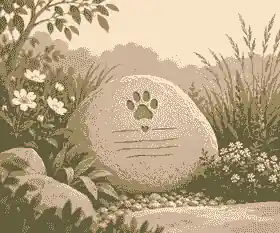
A green burial usually means the person is buried in a way that supports natural decomposition and avoids avoidable environmental burden. A natural burial may use similar principles: no routine embalming, no concrete vault, biodegradable materials, simpler grave marking and fewer non-compostable decorations. Cemeteries and Crematoria NSW natural burial guidance describes natural burial as a simple and sustainable resting place, while Sunshine Coast Council natural burial rules show how a local cemetery can restrict traditional memorialisation, synthetic items and grave ornaments.
The exact definition is local. Adelaide Cemeteries natural burial information refers to biodegradable coffins, shrouds and urns, while WA natural burial information points families back to cemetery operators and funeral directors for availability and pre-purchase questions. That variation is why the safest first question is not “Do you do green burials?” but “What does your cemetery allow, prohibit and charge for?”
Which green burial options should families compare first?
Start with the place. A dedicated natural cemetery may offer bushland or meadow burial with limited markers. A conventional cemetery may have a natural burial section. A local cemetery may allow some natural burial principles in an ordinary grave but still require a standard coffin or set grave marker. For families still searching, finding a green burial cemetery near you explains how to compare location, access, documents, grave recording and family expectations.
Then compare the body care and container. Some families choose an untreated timber, wicker, bamboo, cardboard or wool coffin. Others ask about a cotton, linen or wool shroud. Natural Death Advocacy Network natural burial standards are a useful checklist for natural fibres, biodegradable materials and avoiding plastics. The cemetery rules come first; a product described as eco-friendly may still be unsuitable if it has metal fittings, synthetic lining, lacquer or dimensions that do not meet local handling requirements.
Finally, decide whether the farewell will include burial, ashes, a tree planting, a graveside service, a later celebration or a digital memorial. Biodegradable urns and tree burials covers ashes and planting choices, and green versus traditional burial decisions helps families compare ritual, cost and environmental trade-offs without treating one answer as right for everyone.
What costs belong in a green burial budget?
The visible product is rarely the whole cost. A realistic green burial budget should separate cemetery fees, interment charges, funeral director services, transport, care of the body, coffin or shroud, ceremony, wake, documents, grave recording and any permitted marker. ACCC funeral services information encourages families to compare providers and understand inclusions before committing. Public fee schedules such as Augusta Margaret River cemetery fees, Mundaring cemetery fees and Ferntree Gully Cemetery fees show why local price checking matters.
A natural burial may cost less if the family avoids embalming, ornate coffins, concrete vaults, elaborate flowers, large monuments and complex services. It may cost more if the natural burial ground is far from the place of death, if the cemetery fee is high, or if the family adds travel, a celebrant, printed materials, catering and a later memorial. For a deeper cost breakdown, use green burial costs and natural burial questions alongside funeral planning cost comparisons.
How do biodegradable coffins, shrouds and urns work?
Biodegradable products are chosen because they are intended to break down more naturally than varnished, metal-heavy or plastic-lined products. The family still needs to check strength, handles, lining, certification, cemetery policy, transport requirements and whether a funeral director can safely use the item. If ashes are involved, NSW Health cremation ashes guidance is a reminder that permission can be needed for scattering or burying ashes on land that is not yours or not managed by you.
Tree burials and living memorial claims deserve particular care. A biodegradable urn does not automatically create a healthy tree, and cremated remains can affect soil if not managed properly. Families should ask whether the cemetery plants a tree, allows a family to plant one, uses a communal planting area, records the exact location or simply permits a biodegradable container. If the family wants a low-impact physical choice but a rich memory record, digital memorials and virtual tributes can hold photos, stories, music and messages away from the grave.
What planning questions prevent problems later?
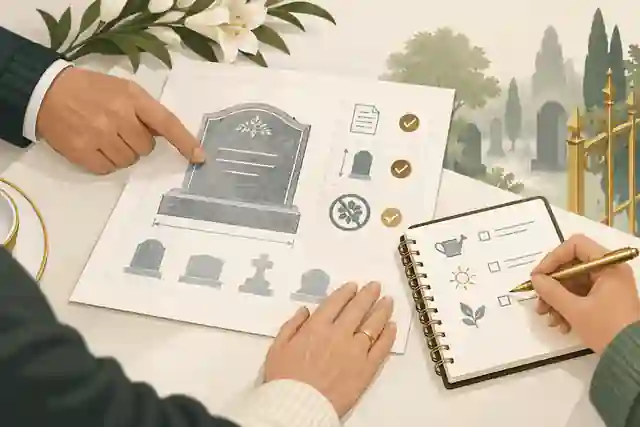
Ask the cemetery whether natural burial is available now, whether plots can be reserved, what the complete fee schedule includes, what materials are allowed, how the grave is recorded and what visitors may leave. Ask whether flowers, cards, ribbons, framed photos, stones, plaques or plantings are permitted after the burial. The answer may affect how relatives grieve and return to the site.
Ask the funeral director whether they have arranged a burial at that cemetery before, what body care they recommend without routine embalming, whether refrigeration is available, whether a shroud-only burial is possible, and what transport or after-hours costs apply. If a child or young relative is involved in the planning conversation, Dougy Center resources for grieving children can help adults think about age-appropriate support. If the person was receiving end-of-life care, Healthdirect palliative care information and Cancer Council palliative care information can help families understand the broader care context without turning funeral decisions into medical advice.
Ask the family what the person valued most. Was it environmental simplicity, a local grave, a visible marker, a ceremony with many people, a private farewell, a tree, a digital archive, or keeping costs modest? Those values can conflict. A remote natural cemetery may suit the person but be hard for relatives to visit. A visible plaque may comfort family but conflict with the cemetery’s natural area rules. A direct cremation followed by a tree planting may feel right for one family and too indirect for another.
How can Evaheld Memorials fit a natural farewell?
A natural burial often limits what can stay at the grave. That does not mean memories need to be limited. Families can use the online memorial creation process to collect photos, life stories, service details, livestream notes and condolence messages while the cemetery decision is still being confirmed. A memory table, a simple graveside reading and a digital tribute can carry the emotional detail without adding non-biodegradable objects to the burial place. Memory table planning ideas can help make that balance tangible.
Evaheld Memorials gives families a place to preserve stories while choosing a natural farewell. You can compare Memorials plan options, browse public memorial examples, check the Memorials help centre, return to Evaheld Memorials when the family is ready, or use the Memorials resource library to keep researching related decisions.
If your family wants to begin gently before every cemetery detail is final, you can create a green farewell memory space and invite relatives to add stories, photos and practical notes in one shared place.
A practical green burial planning checklist
- Confirm the person’s wishes, values and any written funeral instructions.
- List nearby cemeteries that offer natural burial or allow natural burial principles.
- Ask each cemetery for written rules on coffins, shrouds, ashes, grave markers and decorations.
- Request itemised cemetery and funeral director costs before buying products.
- Check transport distance, timing, refrigeration and body care requirements.
- Decide whether ashes, tree planting or a later memorial gathering are part of the plan.
- Record plot details, contact names, receipts, permissions and family decisions.
- Choose where stories, photos, condolence messages and service details will live long term.
Related Evaheld Memorials guidance
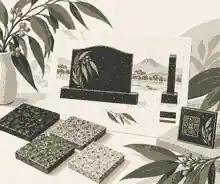
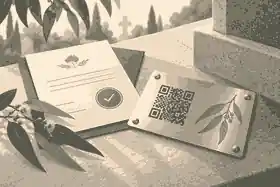
Families working through green & Natural Burials: Options, Costs and Planning often need a few connected decisions in one place: replacing damaged QR memorial plaques, updating QR memorial content, how private and public QR memorial setups differ, cemetery rules for QR codes, where to place a QR code on a headstone. These related guides help the article sit inside a fuller memorial planning path rather than leaving each decision isolated.
For Evaheld Memorials product details, the most useful companion pages are information needed to start a memorial, family and friend memorial collaboration, private memorial sharing choices, tributes and condolences on a memorial, quick online memorial setup. They explain setup, privacy, contribution and sharing choices before a family invites others into the memorial.
FAQs about green & Natural Burials: Options, Costs and Planning
What should families know about green & natural burials?
Green and natural burials raise practical questions as much as emotional ones. Families may want a farewell that uses fewer synthetic materials, feels closer to the earth and avoids unnecessary display, but still honours the person with care. The words options, costs and planning matter because a natural burial is not one product. It is a series of local decisions about cemetery rules, body care, coffins or shrouds, ashes, markers, family travel and the way memories will be kept.
Start with the practical facts, then leave room for memory, emotion and family preferences. information needed to start a memorial can help you organise the Evaheld Memorials side, while National Institute on Aging end-of-life guidance gives families wider context before decisions feel rushed.
How can cremation or burial choices reflect the person being remembered?
A respectful plan usually combines clear information, gentle language and a way for close people to contribute at the right time. family and friend memorial collaboration supports that shared approach, and Better Health grief information is a useful reminder that grief affects people differently.
When should families start comparing their options?
Begin as soon as the task would reduce pressure rather than add to it. Families often start with a simple memorial draft, then refine details over time using private memorial sharing choices; FTC funeral rule information can also help with the first administrative steps after a death.
Who should be involved in the decision?
The closest organiser should usually guide the final decisions, but relatives and friends can help with stories, photos and checks. tributes and condolences on a memorial explains how collaboration can work, while ACCC funeral services information outlines broader steps families may need to consider.
Can an online memorial complement a physical place of remembrance?
Yes. A memorial page can hold service details, photos, tributes, updates and a lasting place to return to after the immediate arrangements are over. quick online memorial setup shows how quickly that can begin, and SAMHSA coping tips offers trusted context for bereavement care.
How should private family details be protected?
Keep sensitive information out of public copy, review contributions before publishing and choose privacy settings before sharing widely. replacing damaged QR memorial plaques explains private memorial options, while Moneysmart funeral costs guidance gives practical consumer context around funeral and memorial decisions.
Which documents and provider details should families retain?
Keep the memorial URL, service details, donation preferences, key family contacts and any relevant documents in one place. updating QR memorial content helps families compare plan needs, and Healthdirect grief support can support cost and planning conversations.
How can relatives contribute memories respectfully?
Invite people to contribute specific memories, photographs or messages, then review everything before it appears publicly. how private and public QR memorial setups differ explains tribute and condolence controls, while Services Australia guidance after a death offers supportive guidance for people coping with loss.
What mistakes should families avoid when choosing an option?
Avoid rushing public details, copying private messages without permission or turning the page into a list of tasks. cemetery rules for QR codes helps families understand free and paid options, and USA.gov steps after someone dies is useful when funeral-related decisions need clear consumer information.
How can Evaheld Memorials preserve memories over time?
Evaheld Memorials gives families a guided place to create, edit, share and preserve a tribute as needs change. where to place a QR code on a headstone keeps the memorial grounded in practical setup, while GOV.UK guidance after a death helps families think about comfort and care beyond the page itself.
If you want a calm place to organise memories, tributes, photos and family contributions, create a lasting Evaheld Memorials tribute for your family.
What matters most about Green & Natural Burials: Options, Costs and Planning
Green and natural burials work best when families combine values with detail. The important options are not only coffin, shroud, urn or tree. They include cemetery location, access, local rules, transport, body care, ceremony style, grave recording, cost transparency and the way memories will be shared after the burial. A lower-impact farewell can still be personal, warm and practical when everyone understands the boundaries early.
The simplest next step is to shortlist local cemeteries, ask for written rules and fees, then decide which memories belong at the grave and which belong in a lasting digital tribute. When you are ready to preserve stories, photos and service details beside a natural farewell, you can start a lasting natural burial memorial.