Green Burials and Their Cost
A practical guide to green burial options and costs, helping families decide whether a natural farewell is right for them.
Last Updated: June 24, 2026
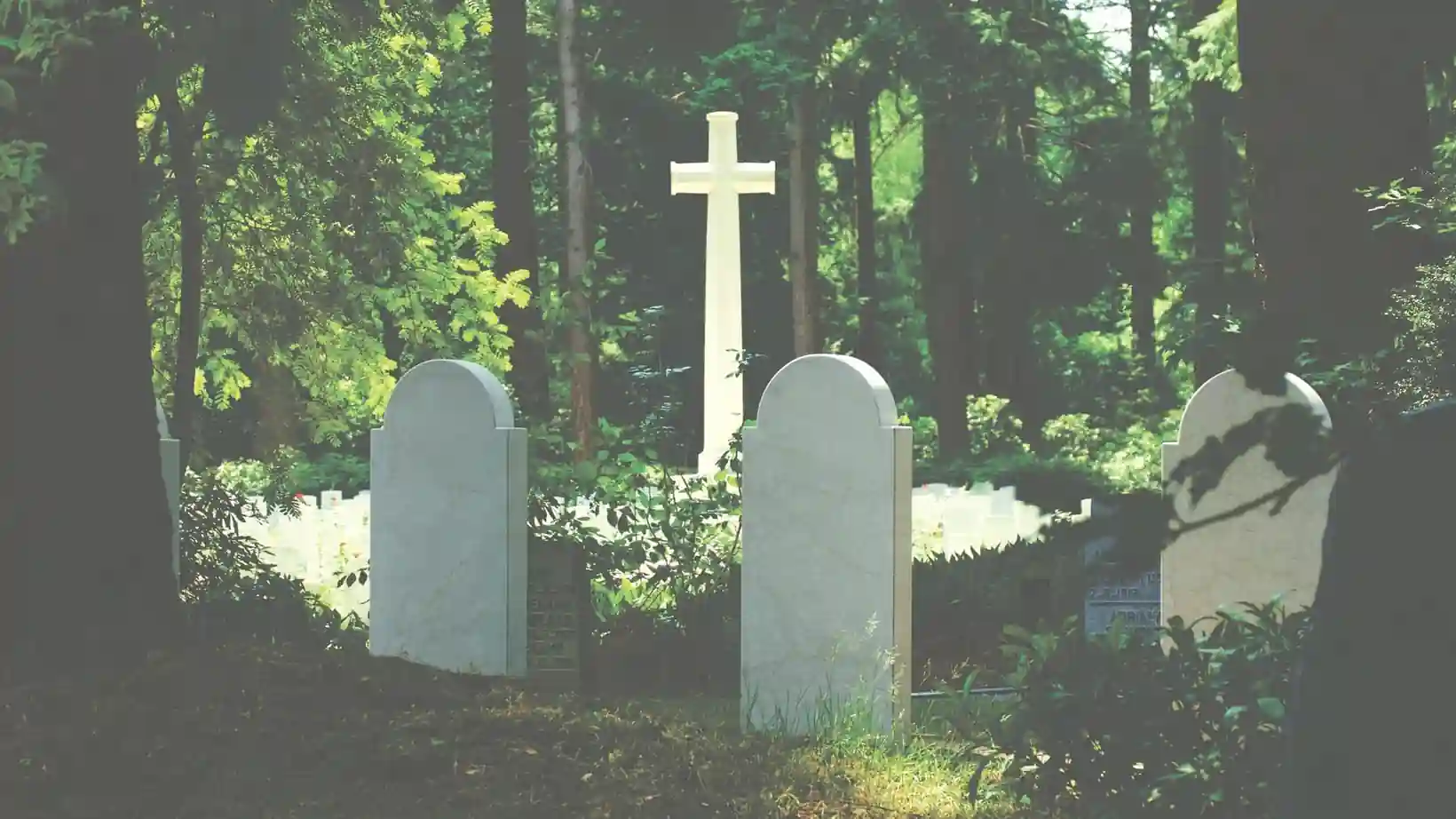
Green burials and their cost are usually considered when a family wants a farewell that feels simpler, gentler and closer to the person's values. The idea can sound straightforward: avoid unnecessary chemicals, choose natural materials, return the body to the earth, and keep the memorial modest. The practical decision is more detailed. Families still need to check cemetery availability, transport, funeral director involvement, coffin or shroud rules, grave markers, ongoing access and the complete price.
This guide is for families comparing a natural burial with cremation, a conventional burial or a smaller memorial. It uses Australian English and focuses on current Australian planning questions, while recognising that each cemetery sets its own rules. The aim is not to sell one choice as morally superior. It is to help you ask clearer questions before money is spent and before relatives rely on an assumption that later proves unworkable.
What does green burial usually mean?
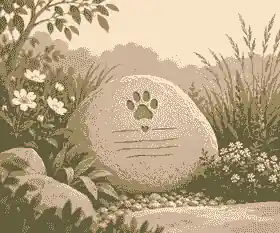
A green burial, also called a natural burial, usually means the person is buried in a way that supports natural decomposition and reduces avoidable environmental impact. In practice this often means no routine embalming, no concrete vault, no metal casket, fewer synthetic fabrics, a biodegradable coffin or shroud, and a grave that is recorded without a large conventional headstone. Cemeteries and Crematoria NSW natural burial guidance describes natural burial as a simple, sustainable resting place and reminds families to read the cemetery's own policies and terms.
The phrase green burial is not one fixed package. One cemetery may have a dedicated bushland section with restricted markers. Another may allow a natural burial in a standard grave if the body, coffin and preparation meet local requirements. Sunshine Coast Council natural burial rules show how a natural burial area can limit traditional memorialisation and synthetic items, while Adelaide Cemeteries natural burial information explains that biodegradable coffins, shrouds or urns may be used in its natural burial areas.
Because definitions differ, families should avoid asking only, "Do you offer green burial?" A better question is, "What exactly is included, what is prohibited, and what will this cost from first call to final memorial?"
How much do green burials cost?
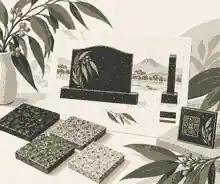
Green burial costs in Australia vary widely because the main cost is often not the biodegradable coffin. It is the burial right, interment fee, cemetery administration, funeral director service, transport, ceremony choices and any permitted marker. Public fee schedules reviewed for this article show that a natural burial or comparable grave cost can sit in the low thousands before funeral director services and ceremony expenses are added. Augusta Margaret River cemetery fees list a 2025-26 natural burial grant of right fee, while Mundaring cemetery fees separate grave, burial and ashes placement charges. Ferntree Gully Cemetery fees show how conventional grave and ashes fees can also vary by tenure and placement.
The cost can be lower than a conventional burial if the family avoids embalming, an ornate coffin, a concrete vault, a large headstone, extensive floral installations and a complex service. It can be similar or higher if the natural burial ground is far away, if a specific cemetery fee is high, if travel is substantial, or if the family adds a celebrant, wake, printed materials, transport upgrades and a memorial marker. ACCC funeral services information encourages consumers to compare funeral providers and understand what is included before committing.
A useful planning range is to separate the budget into five lines: cemetery fees, funeral director fees, coffin or shroud, ceremony and gathering costs, and memorial or record-keeping costs. Ask every provider to itemise these lines rather than giving one comforting total.
What is usually included or avoided?
Most green burial choices try to reduce materials that slow decomposition or leave unnecessary waste. Families commonly avoid embalming unless legally or practically required, metal or lacquered caskets, synthetic linings, plastic keepsakes, concrete vaults, large monuments and non-compostable decorations. The body may be dressed in natural fibres and placed in a biodegradable coffin or shroud. Natural Death Advocacy Network natural burial standards are useful prompts because they discuss plant or protein-based shrouds, eco-friendly biodegradable coffins and avoiding plastics unless compostable.
That does not mean the farewell must feel bare. Families can still choose readings, music, spoken tributes, a small graveside gathering, a wake, photographs, a memorial table and an online memorial. Evaheld Memorials already has practical help for writing a eulogy step by step, planning a memory table and writing a life story obituary. Those choices can preserve warmth without adding permanent physical materials to the grave.
Families should also ask what happens before the burial. If the person dies at home, in hospital or in aged care, transport and care of the body still need to be managed. If there is a delay, the funeral director may recommend cooling or other practical measures. Green burial does not remove the need for respectful body care; it changes which interventions are used.
Which coffin, shroud or urn options fit a natural burial?
Accepted options may include a cardboard coffin, wicker coffin, bamboo coffin, untreated softwood coffin, wool shroud, cotton shroud, linen shroud or another natural-fibre covering. Some cemeteries require a coffin for handling even if the burial is natural. Others may allow shroud-only burial with a board or carrier. The cemetery's written policy matters more than product marketing.
If cremated remains are involved, ask whether ashes may be scattered, interred loose, placed in a biodegradable urn or kept outside the natural burial area. NSW Health cremation ashes guidance notes that permission may be needed for scattering or burying ashes on land that is not yours or not managed by you. For families comparing ashes and tree planting, biodegradable urns and tree burials explains why soil, plant health and permission still matter.
Before buying any product, ask the cemetery whether it is accepted, whether it needs documentation, whether handles or linings are permitted, and whether the funeral director is comfortable using it. A low-cost coffin that cannot be used at the chosen cemetery is not a saving.
Where are green burials available?
Availability is local. Some Australian cemeteries operate dedicated natural burial grounds. Others have a natural burial section inside a broader cemetery. Some standard cemeteries may allow natural burial principles in ordinary graves if policy and safety requirements are met. WA natural burial information directs families to cemetery operators and funeral directors for pre-purchase and availability questions, while council and cemetery pages show that rules are not uniform.
Location affects both cost and grief. A remote bushland cemetery may suit the person's values but make visiting hard for older relatives. A local cemetery may be easier to visit but have fewer natural burial choices. A dedicated natural area may restrict flowers, permanent objects and individual headstones. Those restrictions may be exactly what the person wanted, or they may feel difficult for family members after the burial.
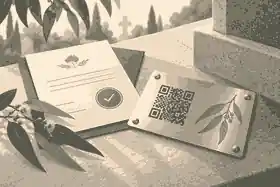
If the grave will have limited signage, create a separate record of the location, cemetery contact details, plot information and memorial preferences. Families can also use the online memorial creation process so photos, funeral details, tributes and location notes are not dependent on a physical marker.
What should families ask before committing?
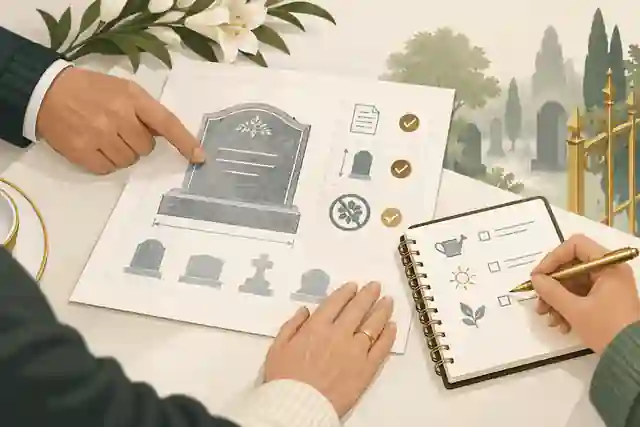
Ask the cemetery: Is a natural burial available now? Is the grave single-use or reusable? What are the 2025-26 fees? Are there separate interment, administration, plaque or maintenance fees? Are coffins, shrouds or urns required to meet a standard? Are embalming, synthetic clothing, jewellery, flowers, cards or mementos restricted? How is the grave recorded? Can relatives visit easily? What marker, planting or communal memorial is permitted?
Ask the funeral director: Have you arranged a burial at this cemetery before? Can you provide an itemised quote? What care of the body do you recommend without routine embalming? Is a shroud-only burial possible? What transport is required? Are there after-hours, weekend or distance fees? Can family members participate in carrying, readings or graveside rituals?
Ask the family: What did the person actually value? Does natural simplicity matter more than a visible grave marker? Who needs to travel? Who will keep the records? What budget is realistic? Would a small ceremony, a natural grave and a digital memorial serve the person better than a larger funeral?
How can you keep the memorial meaningful without adding clutter?
A natural burial often asks families to separate remembrance from physical decoration. That can feel unfamiliar, especially when people expect flowers, plaques, keepsakes and a clear headstone. A digital memorial can carry the parts that do not belong in the ground: photographs, voice notes, stories, music, funeral details, condolence messages and updates for people who live far away. Families can review Memorials plan options, browse public memorial examples, visit the Memorials help centre and return to the Evaheld Memorials home experience when they are ready.
If you want a private place to gather memories while burial choices are still being confirmed, you can start a natural farewell memory space. That gives the family time to collect the person's story without rushing the cemetery decision.
Green burial planning checklist
- Confirm whether the person wanted burial, cremation, natural burial or another option.
- Find cemeteries that actually offer natural burial or permit natural burial principles.
- Ask for the full fee schedule and an itemised funeral director quote.
- Check coffin, shroud, clothing, flowers, mementos and embalming rules in writing.
- Confirm grave marking, mapping, visiting access and future maintenance.
- Compare travel, ceremony, wake, printed materials and memorial costs separately.
- Keep the cemetery paperwork, location details and family contacts together.
- Create a digital tribute for stories, photos and condolences that cannot stay at the grave.
Related Evaheld Memorials guidance
Families working through green Burials and Their Cost often need a few connected decisions in one place: future-proofing QR memorials, online memorial resources for families, how online memorial pages work, the difference between a memorial, obituary, and tribute page, what to include in an online memorial. These related guides help the article sit inside a fuller memorial planning path rather than leaving each decision isolated.
For Evaheld Memorials product details, the most useful companion pages are private memorial sharing choices, tributes and condolences on a memorial, how quickly can I create an online memorial, plans with private memorial options, subscription or one-time memorial plans. They explain setup, privacy, contribution and sharing choices before a family invites others into the memorial.
FAQs about green Burials and Their Cost
What should families know about green burials and their cost?
Green burials and their cost are usually considered when a family wants a farewell that feels simpler, gentler and closer to the person's values. The idea can sound straightforward: avoid unnecessary chemicals, choose natural materials, return the body to the earth, and keep the memorial modest. The practical decision is more detailed. Families still need to check cemetery availability, transport, funeral director involvement, coffin or shroud rules, grave markers, ongoing access and the complete price.
Start with the practical facts, then leave room for memory, emotion and family preferences. private memorial sharing choices can help you organise the Evaheld Memorials side, while GOV.UK guidance after a death gives families wider context before decisions feel rushed.
How can cremation or burial choices reflect the person being remembered?
A respectful plan usually combines clear information, gentle language and a way for close people to contribute at the right time. tributes and condolences on a memorial supports that shared approach, and National Institute on Aging end-of-life guidance is a useful reminder that grief affects people differently.
When should families start comparing their options?
Begin as soon as the task would reduce pressure rather than add to it. Families often start with a simple memorial draft, then refine details over time using how quickly can I create an online memorial; Better Health grief information can also help with the first administrative steps after a death.
Who should be involved in the decision?
The closest organiser should usually guide the final decisions, but relatives and friends can help with stories, photos and checks. plans with private memorial options explains how collaboration can work, while FTC funeral rule information outlines broader steps families may need to consider.
Can an online memorial complement a physical place of remembrance?
Yes. A memorial page can hold service details, photos, tributes, updates and a lasting place to return to after the immediate arrangements are over. subscription or one-time memorial plans shows how quickly that can begin, and ACCC funeral services information offers trusted context for bereavement care.
How should private family details be protected?
Keep sensitive information out of public copy, review contributions before publishing and choose privacy settings before sharing widely. future-proofing QR memorials explains private memorial options, while SAMHSA coping tips gives practical consumer context around funeral and memorial decisions.
Which documents and provider details should families retain?
Keep the memorial URL, service details, donation preferences, key family contacts and any relevant documents in one place. online memorial resources for families helps families compare plan needs, and Moneysmart funeral costs guidance can support cost and planning conversations.
How can relatives contribute memories respectfully?
Invite people to contribute specific memories, photographs or messages, then review everything before it appears publicly. how online memorial pages work explains tribute and condolence controls, while Healthdirect grief support offers supportive guidance for people coping with loss.
What mistakes should families avoid when choosing an option?
Avoid rushing public details, copying private messages without permission or turning the page into a list of tasks. the difference between a memorial, obituary, and tribute page helps families understand free and paid options, and Services Australia guidance after a death is useful when funeral-related decisions need clear consumer information.
How can Evaheld Memorials preserve memories over time?
Evaheld Memorials gives families a guided place to create, edit, share and preserve a tribute as needs change. what to include in an online memorial keeps the memorial grounded in practical setup, while USA.gov steps after someone dies helps families think about comfort and care beyond the page itself.
If you want a calm place to organise memories, tributes, photos and family contributions, create a lasting Evaheld Memorials tribute for your family.
What matters most about Green Burials and Their Cost
Green burials and their cost make most sense when families look beyond the phrase and examine the actual arrangement. The important details are cemetery availability, clear fees, accepted materials, body care, transport, grave marking, family access and the kind of remembrance that will still feel right years from now. A natural farewell can be beautiful, but it works best when the practical boundaries are understood early.
The strongest plan usually combines plain choices with good records: a suitable cemetery, a biodegradable coffin or shroud if permitted, a service that feels honest, and a memorial record people can return to without disturbing the site. When the family is ready to preserve the person's stories, images and tributes beside a natural farewell, they can create a lasting memorial for a green burial.
Related Evaheld resources
Continue with these carefully selected Evaheld Memorials guides and answers.