What are headstone inscription ideas? Wording, materials and care
A practical Australian-led guide to headstone inscription ideas, covering wording, dates, materials, QR plaques, cemetery rules, privacy and gentle care.
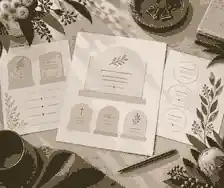
Headstone inscription ideas are practical wording choices for the name, dates, epitaph, symbols, materials and care decisions that shape a lasting grave marker. The best inscription is usually brief, accurate, readable, cemetery-approved and true to the person, with longer memories preserved somewhere editable rather than forced onto stone.
Most families begin with three fixed elements: the person’s name, their birth and death dates, and a short line that captures relationship, faith, character or contribution. The wording may be as simple as In loving memory, Beloved mother and friend, or Forever remembered. More personal options can include a line from a poem, a family saying, a religious phrase, a cultural blessing or a restrained description of what the person gave to others. Before choosing final headstone wording, ask the cemetery, churchyard, memorial mason or council for its rules on size, material, layout, language, symbols and added plaques. In Victoria, Victorian cemetery guidance for stonemasons explains that cemetery trusts must approve applications to establish or alter memorials, and that Australian standards guide monument construction, so approval is not a formality.
A headstone is different from a funeral notice, obituary or online tribute because it has to remain legible and appropriate for many years. That permanence is why families often separate the inscription from the fuller story. A short epitaph belongs on the stone; photographs, anecdotes, service details and changing tributes are better suited to a memorial page. If you want a fuller framework for turning memory into words, Evaheld Memorials has practical support for memorial tribute writing, which can help families write something honest before reducing it to a few engraved words.
headstone inscription ideas: practical guidance
A conventional inscription normally begins with the full legal name or the name by which the person was genuinely known. Some families include a middle name, maiden name, cultural name, honourific, nickname or military rank, but only when it is accurate and permitted. Next come dates. In Australia and the United Kingdom, dates are commonly written day month year, such as 12 July 1946. In the United States, month day year is common, such as July 12, 1946. If the article serves a mixed family, use the format that will be clearest to local cemetery visitors and avoid ambiguous numerical dates such as 03.04.1946.
The personal line should be shorter than most people expect. One line of eight to fifteen words often reads better than a crowded paragraph. If the stone is small, flat or shared by two people, a compact phrase is usually kinder to the design. Families looking for a concise starting point can compare wording styles through short quotes for headstones wording materials and care, then adapt the sentiment rather than copying something that does not sound like the person.
Common structures include relationship wording, such as Beloved husband, mother, grandfather and friend; character wording, such as Kind, steady and generous; faith wording, such as Resting in God’s peace; and legacy wording, such as Her music, laughter and courage remain. For a couple’s headstone, decide whether wording must work now and later. A shared stone may leave space for a second inscription, but the cemetery and mason should confirm layout and future work before anything is cut.
Military and official commemorations require special care. The Australian principles of official commemoration describe official commemoration as individual, uniform and maintained in perpetuity, with inscriptions commonly including service details and, in many cases, a personal inscription chosen by relatives. In the United States, VA inscription guidance explains that mandatory and optional inscription items for government-furnished markers are controlled, and that additional items are subject to approval. Families should not assume that a private-style epitaph can be added to an official marker.
Inscription ideas by tone and relationship
For a parent, the strongest wording is often specific without becoming crowded: The heart of our family; Her kindness shaped us; He taught us patience and courage; Loved by children, grandchildren and friends. For a spouse or partner, consider language that will still feel dignified decades from now: My beloved companion; Together in love; A life shared with devotion; Loved beyond measure. For a child or young person, fewer words usually carry more weight: Our treasured child; Loved every moment; Held in our hearts; Small in years, endless in love.
For a person of faith, consult family tradition and religious leadership where needed. Christian inscriptions may use a psalm reference, a resurrection phrase or a simple blessing. Jewish inscriptions often use memory-focused language and may include Hebrew lettering if the cemetery and family tradition support it. Muslim inscriptions should be handled with cultural and religious care, especially around Arabic text and grave design. Secular inscriptions can be equally reverent: A generous life; She made room for everyone; He left the world kinder; Their story continues in us.
Humorous wording is possible, but it should pass a strict test: would the person have wanted it on public stone, and will close family still feel comfortable seeing it years later? A private joke can be warm at a wake and painful on a grave. If humour is central to the person’s identity, keep it gentle and brief. A phrase such as Still making us smile is often safer than a sharp joke that depends on context.
Public memorial profiles show how a short line can sit beside a fuller life story. The Evaheld Memorials profile for Maya Angelou shows how one remembered voice can be framed by biography, tributes and photographs, while Princess Diana demonstrates how compassion and public service can be remembered without reducing a life to one phrase. For a design-led life, the memorial for Steve Jobs is a reminder that a famous quotation may be meaningful, but the physical inscription still needs restraint.
Materials, fonts and readability
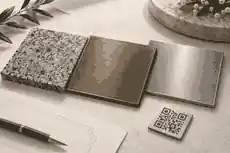
Materials affect how an inscription looks, ages and can be maintained. Granite is widely used because it is durable and can hold polished, sandblasted or engraved lettering well. Marble has a softer traditional appearance but can weather more visibly in some climates. Bronze plaques are common in lawn cemeteries, memorial walls and official markers, but they need appropriate cleaning and may patinate over time. Ceramic photographs, stainless steel plaques and QR additions can work when cemetery rules allow them, but each adds maintenance and approval questions.
Where QR plaques are involved, material choice is not only decorative. A scannable code needs contrast, surface stability and a position visitors can reach. Evaheld Memorials explains the best materials for QR memorial plaques in relation to weather, glare and long-term readability. GS1 Australia barcode guidance notes that barcodes need appropriate size, colour and print quality, while GS1 quiet-zone advice supports strong contrast around two-dimensional codes. On a memorial plaque, that means a restrained high-contrast code is more respectful than a decorative code that fails when scanned in sun or rain.
Fonts should serve legibility first. Serif lettering often suits traditional upright stones. Sans-serif lettering can feel cleaner and more modern, especially on plaques. Script should be used sparingly, often only for a name, because ornate forms can become difficult to read when carved small or viewed in low light. Before approval, ask for a full-size proof showing line breaks, spacing, symbols and dates. Read it aloud, then have at least two other people check spelling, dates and punctuation. A mistake in stone is not like a typo online; correction may involve re-polishing, adding a plaque, or replacing the marker.
For symbols, keep meaning and permission together. Crosses, Stars of David, crescents, service emblems, flowers, birds, cultural motifs and professional symbols may be appropriate, but not every cemetery allows every image. Evaheld’s guide to gravestone symbol meanings wording materials and care for families can help families discuss symbolism before a mason prepares a proof.
Cemetery approval across Australia, the United Kingdom and the United States
Jurisdiction matters because headstones are private memorials placed in regulated public or semi-public spaces. In Australia, rules vary by state, cemetery trust, council and grave type. State guidance confirms that a trust must approve new memorials and alterations, and local councils often require applications from the right-of-interment holder or stonemason. Families comparing cemetery regulations for headstones wording materials and care should expect to submit dimensions, material, inscription, drawing and mason details before work begins.
In the United Kingdom, council cemeteries, private cemeteries and churchyards may each use different rules. Historic England cemetery guidance points families and managers towards conservation-minded care for historic cemeteries. The practical lesson is simple: do not order the stone before the burial authority has approved the design. The rules may affect polished granite, kerbs, photographs, QR codes, vases, non-English inscriptions and the time allowed after burial before installation.
In the United States, private cemetery rules vary widely and official veteran markers have separate federal requirements. VA burial in a private cemetery guidance explains that eligible veterans may receive a headstone, marker or medallion at no extra cost from VA, but private cemeteries may charge setting, placement or maintenance fees. VA marker and medallion information also shows how formal memorial hardware has defined formats. If your family is planning for a veteran, check eligibility before ordering a private marker.
These approval rules do not make a memorial less personal. They protect safety, access, visual order and long-term maintenance. A practical planning sequence is to confirm grave rights, ask for the cemetery’s memorial rules, choose material and size, draft wording, request a proof, obtain approval, pay only when the approved design is clear, and keep a copy of the final inscription. Families in Australia, the United Kingdom and the United States should also ask who is responsible for future cleaning, repairs, insurance, settling, re-fixing and added inscriptions.
QR plaques and digital remembrance beside the stone
A headstone cannot hold every photograph, story, voice recording or condolence. A QR memorial can connect the physical marker to a fuller tribute if it is designed carefully. Evaheld Memorials explains the basics of a QR memorial, including how a code can open a digital tribute from a plaque, headstone or keepsake. The key is to make the physical marker dignified and the linked page appropriate for the level of public access.
Placement matters. A code that is too low, reflective, small, crowded or hidden by flowers may be frustrating for visitors. Evaheld’s guidance on where a QR code can sit on a headstone explains the balance between visibility and restraint. In practice, many families place a small plaque near the base or side of the memorial, leaving the inscription itself calm and uncluttered.
Privacy should be decided before a public code is installed. The OAIC online privacy guidance is a useful reminder that public sharing should be deliberate, not accidental. If the linked page includes children’s names, private addresses, sensitive medical details, unmoderated comments or photographs of people who have not consented, the family may regret making it easy for anyone in a cemetery to access. Evaheld Memorials covers private versus public online memorials, which is especially relevant when a public headstone links to a digital space.
If families want relatives to contribute stories or photographs, organise that before the inscription is final. A shared approach lets one organiser check tone and accuracy while relatives still add memories that may shape the final wording, especially when different generations remember the person through different details.
Care, cleaning and long-term maintenance
Care begins with the material. The National Park Service headstone cleaning recommendations advise the gentlest, least invasive cleaning method, warn against aggressive scrubbing and power tools, and advise against cleaning in freezing conditions when water can expand in stone. Its National Park Service cemetery conservation resources also emphasise sustainable, cyclic, non-invasive methods that do no harm. Those principles apply even when the grave is not historic: gentle care is usually better than making the stone look new at any cost.
For bronze, avoid harsh abrasives unless a qualified professional recommends otherwise. Bronze can change colour naturally and may not be intended to stay bright. Evaheld’s care guidance on clean a bronze plaque wording materials and care is useful when families are unsure whether patina, staining or dirt should be treated. For granite and marble, ask the cemetery or mason before using any cleaner. A soft brush, clean water and patient rinsing may be safer than household chemicals. For government markers, conservation guidance reinforces the need to rinse thoroughly so cleaner is not left behind.
Care is also administrative. Keep the cemetery approval, mason invoice, proof, material specification, plot details, right-of-interment documents and any QR memorial URL in one place. If the inscription includes a QR plaque, keep a backup of the linked memorial content and record who controls the page. If the family later adds a spouse’s date, a new plaque, a symbol or a corrected line, the same approval process may apply again.
Cost, accessibility and final checks
Costs vary because a headstone is a combination of material, size, finish, lettering, design, installation, cemetery permit fees and later maintenance. The FTC Funeral Rule guidance requires itemised price information from covered funeral providers, while the ACCC funeral services guidance reminds Australian consumers to compare what is included and ask questions before agreeing to funeral-related services. Even when the headstone is ordered separately from the funeral, the same discipline helps: ask for an itemised quote, approval fees, expected timing, installation costs, warranty terms and what happens if the cemetery rejects the design.
Accessibility is not only about disability law. It is about whether real visitors can read, reach and understand the memorial. Older relatives may need larger lettering, stronger contrast and a QR code that does not require crouching. Visitors with low vision may benefit from a simple layout and an online memorial with readable text. People who cannot travel can still participate through creating an online memorial step by step, then connecting the page to the physical place when the family is ready.
Before approval, use a final checklist. Confirm the spelling of every name. Confirm dates against official records. Check whether titles, nicknames and maiden names are wanted. Confirm the cemetery’s language rules if using non-English text. Check that any religious or cultural phrase is accurate. Ask whether song lyrics or poems need permission. Make sure the font is readable at actual size. Review the line breaks. Confirm who has authority to approve. Keep the wording calm enough to last.
If you want a fuller digital tribute to sit beside a concise stone, Evaheld Memorials can help you gather the life story, photographs and messages while you refine headstone inscription ideas at a pace that feels manageable.

FAQs about headstone inscription ideas
What are headstone inscription ideas? Wording, materials and care
Headstone inscription ideas are short, cemetery-appropriate wording choices for names, dates, epitaphs, symbols and linked memorial details, supported by material and care decisions that keep the marker readable. Begin with accurate facts, then refine one honest line; short quotes for headstones wording materials and care can help with concise options, while Victorian cemetery guidance for stonemasons shows why approval and construction standards matter.
How long should a headstone inscription be?
A strong inscription is usually one to three short lines after the name and dates, because readability matters more than fitting in every memory. If you need a fuller tribute, use memorial tribute writing for the longer story, and keep the stone concise; Historic England cemetery guidance also supports thoughtful care for cemetery settings.
What wording works for a parent’s headstone?
For a parent, choose wording that names the relationship and one true quality, such as Beloved mother, grandfather and friend, or Her kindness shaped our family. Families can compare gravestone symbol meanings wording materials and care for families before adding imagery, and the Australian principles of official commemoration show how restraint and consistency can still feel deeply personal.
Can I use religious or cultural wording?
Yes, if the wording is accurate, respectful and allowed by the cemetery or churchyard. Check spelling, translation and tradition carefully, especially for Hebrew, Arabic, Greek, Latin or cultural phrases; cemetery regulations for headstones wording materials and care helps frame permission questions, while VA inscription guidance shows how formal markers control authorised wording.
Which materials are best for inscriptions?
Granite, bronze, marble, ceramic and stainless steel can all work, but the best choice depends on cemetery rules, climate, design and maintenance. If a QR plaque is part of the memorial, the best materials for QR memorial plaques explains outdoor readability, and GS1 Australia barcode guidance explains why contrast and quiet zones matter.
Can a QR code be included with a headstone inscription?
A QR code may be possible if the cemetery permits it and the design remains dignified, readable and secure. Start with the basics of a QR memorial, then test the code before installation; GS1 quiet-zone advice supports using strong contrast around two-dimensional codes.
Where should a QR plaque sit on a headstone?
The best position is discreet, easy to scan and unlikely to be hidden by flowers, glare, dirt or mowing equipment. Evaheld’s guidance on where a QR code can sit on a headstone explains placement trade-offs, and VA marker and medallion information shows how formal memorial hardware has defined formats.
How do I keep a headstone inscription readable?
Use readable lettering, enough spacing, durable materials and gentle cleaning rather than harsh scrubbing. Evaheld’s advice on clean a bronze plaque wording materials and care can help with plaque decisions, and the National Park Service headstone cleaning recommendations warn against aggressive methods that can damage stone.
Should the linked memorial be public or private?
If a QR code on a public grave opens the memorial, decide privacy before installation. A simple public page may be enough, while sensitive stories can stay private; private versus public online memorials explains the choice, and the OAIC online privacy guidance supports careful sharing.
How do I start if the family cannot agree?
Start with facts everyone accepts, then ask each person for three words that describe the person and one phrase they would not want. A shared draft through creating an online memorial step by step can collect ideas before engraving, while the ACCC funeral services guidance reminds families to ask clear questions before committing to paid memorial decisions.