Memorial Jewellery: Meaning, Types and How to Choose
A gentle guide to memorial jewellery options, emotions, consent, costs, care and alternatives for families choosing a keepsake.
Last Updated: June 24, 2026
Memorial jewellery can be a quiet way to keep someone close, but it is not a small decision. A pendant with ashes, a fingerprint ring, a handwriting charm or a photo locket can feel deeply personal; it can also raise questions about consent, cost, privacy and care. This guide is for families weighing those questions gently, without treating any keepsake as the only proper way to remember someone.
The brief answer is that memorial jewellery is a physical keepsake made to hold or represent a connection with someone who has died. It may include cremated ashes, a lock of hair, a fingerprint, handwriting, a photo, a birthstone, a symbol or an engraved date. The better question is whether the piece will bring steadiness rather than pressure. Healthdirect grief and loss information explains that grief affects people differently, so the right choice is the one that supports the person who will live with it.
Many families now pair a small physical keepsake with a digital place for stories. A ring or locket can hold one private detail, while the Evaheld Memorials home for shared remembrance can hold photos, messages and a fuller life story for relatives and friends. That pairing matters because jewellery is intimate but limited: it can comfort the wearer, yet it cannot carry every voice, memory or milestone.
What does memorial jewellery mean?
Memorial jewellery is less about the object than the relationship it represents. For one person, ashes jewellery may feel like a promise to keep a parent near. For another, a handwriting pendant may preserve the shape of a familiar note. For someone else, a photo locket may be enough because it is recognisable without being too private. There is no hierarchy of meaning. A simple charm can be more comforting than a costly custom piece if it matches the wearer's personality and grief.
The meaning can also change. A piece that feels too raw in the first month may feel grounding later, or the reverse. NHS advice on grief and bereavement notes that bereavement can involve many feelings, including numbness, anger, relief and sadness. That is why it helps to pause before ordering anything irreversible, especially if a seller needs ashes, hair, fingerprints or handwriting that cannot easily be replaced.
Which types of memorial jewellery should you compare?
Ashes jewellery is usually made by sealing a small portion of cremated remains in resin, glass, metal or a tiny chamber. It can be a pendant, ring, bead, bracelet or charm. Before choosing it, ask whether the maker returns unused ashes, how the remains are tracked, and whether the chamber can be opened or repaired later. This is a consent decision as much as a design decision. If several close relatives have equal emotional claims, discuss it before sending ashes away.
Fingerprint jewellery uses an impression taken before or after death, or sometimes from a keepsake already held by the family. It can feel less confronting than ashes because it preserves touch rather than remains. Handwriting jewellery works similarly: a signature, short phrase or old note is engraved or traced onto metal. These pieces are especially powerful when the handwriting is instantly recognisable, but they also involve personal records. OAIC guidance on personal information is a useful reminder to handle identifying material with care.
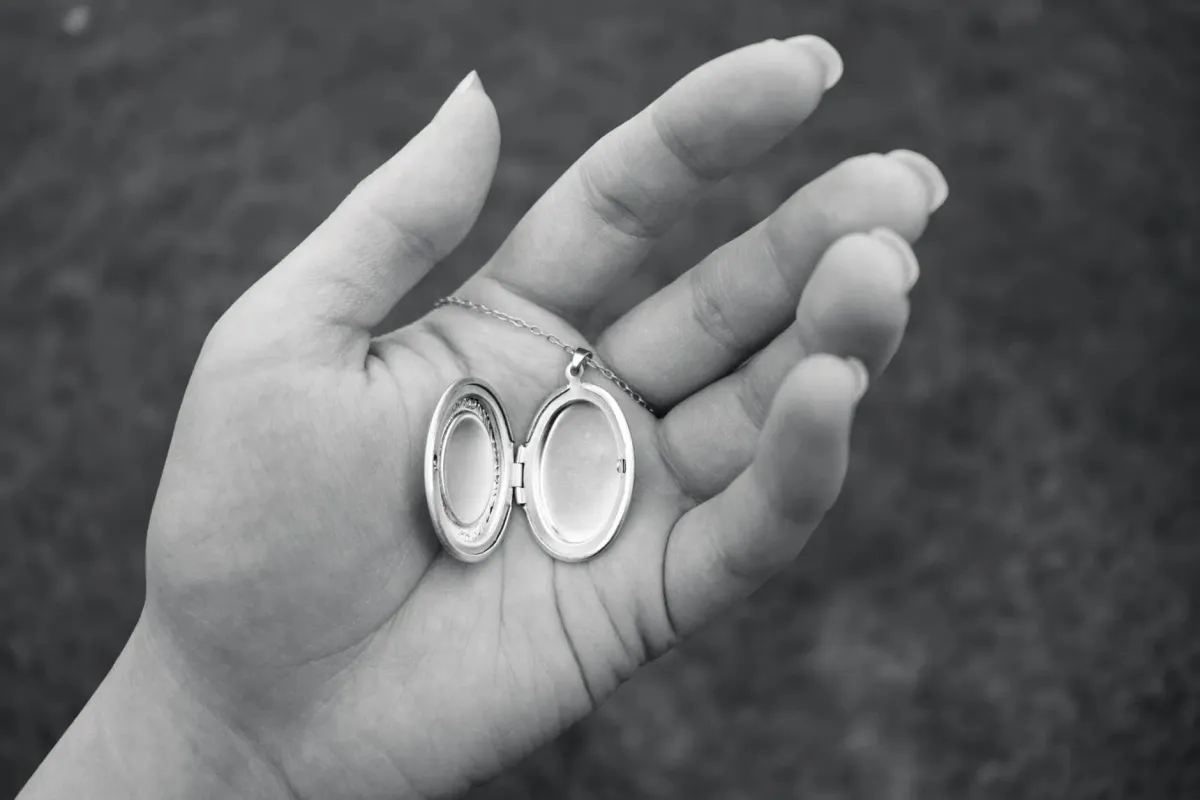
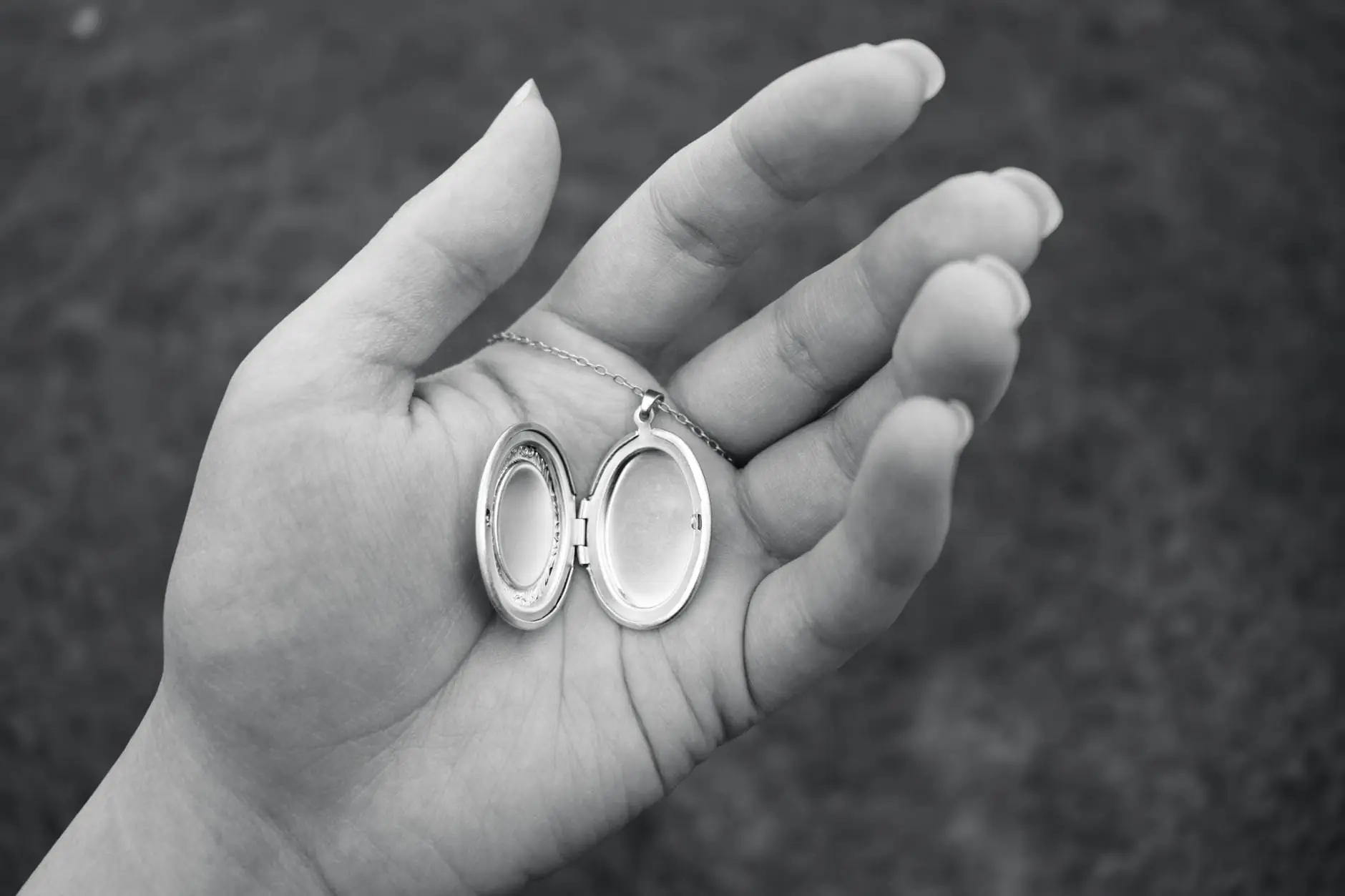
Photo lockets and hair keepsakes are older forms of remembrance. A locket can be discreet, repairable and easy to pass down. Hair keepsakes can feel intimate and traditional, though not every family will be comfortable with them. Gemstone pieces, birthstone charms and symbolic designs are less literal. They may be easier for people who want a daily reminder without explaining that the jewellery contains remains or personal material.
If you are comparing sellers online, keep the emotional decision separate from the purchase decision. ACCC guidance on buying online recommends checking who you are buying from, while consumer guarantees in Australia can help you understand what to expect if the product is faulty or not as described. Memorial jewellery is emotionally loaded, but it is still a product with materials, workmanship, delivery promises and aftercare obligations.
How do consent and ethics affect ashes or hair keepsakes?
Consent can be difficult after a death because families are often trying to honour someone who cannot now clarify their wishes. Start with anything the person said in life. Did they like the idea of ashes jewellery? Did they prefer privacy? Were they uncomfortable with keepsakes made from remains? If there is no clear answer, avoid rushing. A small delay is usually kinder than a decision that creates conflict or regret.
For ashes jewellery, decide who is allowed to authorise use of the ashes and who should be told. Legal rules vary by place and circumstance, so this article does not give legal advice. For practical after-death steps, UK guidance after a death and death registration information show how formal processes can sit beside family decisions. In Australia, funeral directors, crematoria and local authorities can explain their own procedures before ashes are divided or posted.
For fingerprints, handwriting and photos, privacy is still relevant. A fingerprint image, a personal note or a private photograph may matter to more than one person. Ask before using a letter that was written to someone else. Ask before engraving words that were private. If a child is involved, choose a design they can grow with rather than one that exposes more than they may want later. Australian privacy rights are not a substitute for family conversation, but they do reinforce the principle of respect.
What questions should you ask before ordering?
Good memorial jewellery makers should answer practical questions clearly. Ask what material is used, whether it is solid or plated, whether resin may yellow, whether glass can chip, and how it should be cleaned. Ask for a proof before engraving. Ask whether ashes, hair, fingerprints or handwriting are stored, returned or deleted after production, and who pays if the item is lost in transit.
Price should also be transparent. Consider the base piece, custom work, stone upgrades, engraving, express production, postage, insurance and future repairs. If several relatives want matching pieces, agree on a budget first. MoneySmart budgeting steps can help a family separate what feels meaningful from what is affordable.
Refunds and repairs deserve special attention because custom keepsakes may not be handled like ordinary jewellery. Victorian guidance on refunds and repairs and Evaheld Memorials pricing plans can both help families compare what is included, what is optional and what may need future payment. Keep receipts, proofs, tracking details and care instructions in one folder so the wearer is not left guessing later.
How can a digital memorial complement a physical keepsake?
A piece of jewellery is personal. A memorial space is collective. That distinction helps families avoid asking one object to do too much. A locket can hold a photo, but it cannot hold the story behind the photo. A fingerprint pendant can preserve touch, but it cannot preserve the person's voice, jokes, recipes, work, friendships or family history. A digital memorial gives those wider memories somewhere to live.
Evaheld Memorials can be useful when different relatives want different forms of remembrance. One person may wear jewellery, another may prefer not to, and another may only want to read stories privately. creating an online memorial step by step explains the basic process, while understanding an online memorial shows why a shared space can sit alongside physical keepsakes. The aim is not to replace jewellery, but to stop the jewellery becoming the only archive.
This also helps with future access. Jewellery can be lost, damaged or inherited by one person. A digital memorial can be updated and revisited by many. For families ready to begin, create a shared memorial before choosing the final keepsake can be a gentle first step.
What if jewellery does not feel right?
Not wanting memorial jewellery is not a failure of love. Some people do not like wearing jewellery. Some feel uneasy about ashes or hair. Some worry that an expensive object will become a burden. Others prefer rituals, photographs, written memories or practical acts of care. Age UK guidance on what to do after someone dies shows how many decisions can already crowd a bereaved family, so choosing a simpler remembrance can be wise.
Alternatives include a framed handwritten note, a memory box, a photo book, a recipe collection, a tree, a donation, a playlist, a candle ritual, a quilt made from clothing, or a private memorial page. writing a memorial tribute can turn scattered memories into something family members can read and keep. choosing what to include in a memorial may also help if the family wants a shared archive without another physical object.
Memorial jewellery decision checklist
- Choose the keepsake type only after asking what would comfort the wearer.
- Confirm whether ashes, hair, fingerprints or handwriting can be used respectfully.
- Ask who should consent before remains or personal records are sent to a maker.
- Check seller identity, reviews, materials, production time and delivery terms.
- Set a budget before comparing upgrades or matching family pieces.
- Ask how unused ashes or original materials are returned, stored or deleted.
- Keep receipts, proofs, care notes and tracking information.
- Plan an alternative for relatives who do not want jewellery.
- Consider pairing the keepsake with a digital memorial for stories and photos.
Fair trading expectations still apply even when the purchase is emotional. Queensland fair trading information and FTC funeral rule guidance are reminders that clear pricing, truthful claims and informed choices matter around death-related services. If a seller pressures you with urgency, vague materials or unclear handling of ashes, step back and compare other options.
Related Evaheld Memorials guidance
Families working through memorial Jewellery: Meaning, Types and How to Choose often need a few connected decisions in one place: adding donation links to memorials, How to Create an Online Memorial for a Pet, human composting forest path memorial idea for Evaheld Memorials — visual about What should families ask before choosing recomposition? for What Is Human Composting by Evaheld Memorials, How to Find an Online Memorial or Death Notice, Are Online Memorials Appropriate? A Thoughtful Guide. These related guides help the article sit inside a fuller memorial planning path rather than leaving each decision isolated.
For Evaheld Memorials product details, the most useful companion pages are private memorial sharing choices, tributes and condolences on a memorial, how quickly can I create an online memorial, plans with private memorial options, subscription or one-time memorial plans. They explain setup, privacy, contribution and sharing choices before a family invites others into the memorial.
FAQs about memorial Jewellery: Meaning, Types and How to Choose
What should families know about memorial jewellery?
Memorial jewellery can be a quiet way to keep someone close, but it is not a small decision. A pendant with ashes, a fingerprint ring, a handwriting charm or a photo locket can feel deeply personal; it can also raise questions about consent, cost, privacy and care. This guide is for families weighing those questions gently, without treating any keepsake as the only proper way to remember someone.
Start with the practical facts, then leave room for memory, emotion and family preferences. private memorial sharing choices can help you organise the Evaheld Memorials side, while GOV.UK guidance after a death gives families wider context before decisions feel rushed.
How can an online tribute feel personal and respectful?
A respectful plan usually combines clear information, gentle language and a way for close people to contribute at the right time. tributes and condolences on a memorial supports that shared approach, and National Institute on Aging end-of-life guidance is a useful reminder that grief affects people differently.
When should a family create or review the memorial?
Begin as soon as the task would reduce pressure rather than add to it. Families often start with a simple memorial draft, then refine details over time using how quickly can I create an online memorial; Better Health grief information can also help with the first administrative steps after a death.
Who should manage the page and approve contributions?
The closest organiser should usually guide the final decisions, but relatives and friends can help with stories, photos and checks. plans with private memorial options explains how collaboration can work, while FTC funeral rule information outlines broader steps families may need to consider.
What content belongs on the memorial page?
Yes. A memorial page can hold service details, photos, tributes, updates and a lasting place to return to after the immediate arrangements are over. subscription or one-time memorial plans shows how quickly that can begin, and ACCC funeral services information offers trusted context for bereavement care.
How can families control privacy and sharing?
Keep sensitive information out of public copy, review contributions before publishing and choose privacy settings before sharing widely. adding donation links to memorials explains private memorial options, while SAMHSA coping tips gives practical consumer context around funeral and memorial decisions.
Which account details and backups should be retained?
Keep the memorial URL, service details, donation preferences, key family contacts and any relevant documents in one place. How to Create an Online Memorial for a Pet helps families compare plan needs, and Moneysmart funeral costs guidance can support cost and planning conversations.
How can relatives contribute safely?
Invite people to contribute specific memories, photographs or messages, then review everything before it appears publicly. human composting forest path memorial idea for Evaheld Memorials — visual about What should families ask before choosing recomposition? for What Is Human Composting by Evaheld Memorials explains tribute and condolence controls, while Healthdirect grief support offers supportive guidance for people coping with loss.
What common online memorial mistakes should families avoid?
Avoid rushing public details, copying private messages without permission or turning the page into a list of tasks. How to Find an Online Memorial or Death Notice helps families understand free and paid options, and Services Australia guidance after a death is useful when funeral-related decisions need clear consumer information.
How does Evaheld Memorials support long-term preservation?
Evaheld Memorials gives families a guided place to create, edit, share and preserve a tribute as needs change. Are Online Memorials Appropriate? A Thoughtful Guide keeps the memorial grounded in practical setup, while USA.gov steps after someone dies helps families think about comfort and care beyond the page itself.
If you want a calm place to organise memories, tributes, photos and family contributions, create a lasting Evaheld Memorials tribute for your family.
What matters most about Memorial Jewellery: Meaning, Types and How to Choose
Memorial jewellery can be meaningful when it is chosen with consent, clear information and emotional honesty. The right piece might be an ashes pendant, fingerprint charm, handwriting necklace, photo locket or no jewellery at all. What matters is whether it supports remembrance without pressure, conflict or avoidable cost.
Before ordering, slow the decision down. Ask what the wearer wants, what the person who died may have wanted, what materials are being used, how personal information will be handled, and whether a digital memorial should hold the wider story. To keep photos, tributes and family memories together while you decide on a physical keepsake, start a private memorial space for the stories jewellery cannot hold.