What are pet grave markers? Pet tribute ideas, wording and memories
A practical, compassionate guide to pet grave markers, including wording, materials, placement, QR tributes, privacy, pet loss support and AU, UK and US differences.
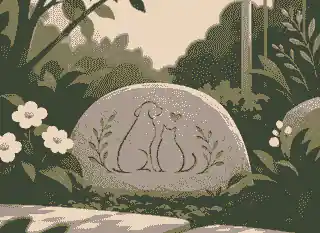
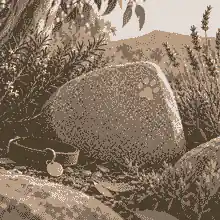
What are pet grave markers? Pet tribute ideas, wording and memories starts with a simple answer: pet grave markers are physical signs of remembrance, usually stones, plaques, stakes, garden markers or small headstone-style memorials, that identify where a pet is buried or remembered and give the family a place to return to. The best pet grave markers combine practical details, durable materials, careful placement, short wording and, when helpful, a fuller digital tribute for the memories that cannot fit on stone.
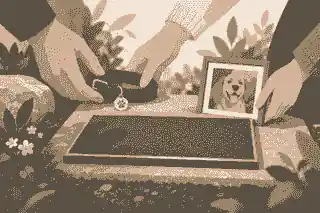
For many families, a pet marker is not about formality. It is about acknowledging that a dog, cat, horse, rabbit, bird or other companion animal shaped daily life. A marker may sit over a burial place, beside ashes in a garden, near a favorite path, on a balcony planter, beside a tree, or in another meaningful spot. It may be engraved with a name and dates, include a paw print or simple symbol, or use a discreet QR plaque that opens a fuller tribute. Families who want the physical marker to sit beside a digital record often start with a pet memorial page with photos and stories so the stone can stay clear while the memories have room.
Pet grave markers: what they are and when they help
A pet grave marker marks a place, but it also gives grief a practical shape. Without one, a garden corner or burial place can become hard to identify over time, especially after weather, planting, moving house or changes in the family. With one, the location has a quiet point of focus. Children can leave flowers, adults can pause there on anniversaries, and visiting relatives know where to stand without needing an explanation.
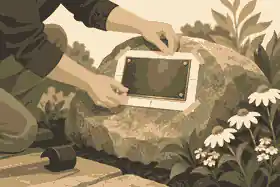
The marker can be permanent or intentionally modest. Common choices include engraved granite, slate, river stones, ceramic plaques, cast metal plates, stainless steel tags, bronze-style plaques, timber markers, resin stones and garden stakes. A backyard or courtyard memorial does not need to imitate a human cemetery headstone. Often the most fitting marker is smaller, lower and more integrated with the setting: a stone beside lavender, a plaque fixed to a planter, a simple marker near the place where the pet rested in the sun.
The key distinction is between the marker and the tribute. The marker is the physical object. The tribute is the story, photographs, message wall, audio, video, memories and family language around the pet. A marker can hold only a small part of that. That is why good planning separates the essential inscription from everything else the family may want to preserve.
What to put on a pet grave marker
Most pet grave markers work best with four elements: the pet's name, dates or years, one identifying detail, and one short line of feeling. The identifying detail might be species, breed, role in the family, nickname or a word that sounds like the pet. The short line should be true rather than decorative. If the family called the dog “our shadow,” that may matter more than a formal phrase. If the cat always slept by the window, a small line about the sunny window may say more than any borrowed quote.
Before choosing wording, write down the words you actually used around the pet. What nickname did they answer to? What sound, place or habit returns first in memory? What did children call them? What would make another family member say, “That is exactly them”? This is the best way to avoid generic wording. It also helps if you are using a small marker and need to decide what deserves the limited space. Evaheld Memorials has a more detailed wording companion for families deciding what to write on a pet headstone with tribute wording examples, but the same principle applies here: specificity usually lasts better than grand language.
Useful inscription formats include “Name, years, short phrase,” “Name, family title, years,” “Name, one remembered habit,” or simply “Name, always loved.” Rescue pets often come with unknown birth dates, so it is acceptable to use adoption years, years together or only the year of death. Honest wording is better than guessed dates. Examples include “Milo, with us 2014-2026,” “Poppy, found us in 2019,” or “Ruby, our beach walker.”
Avoid overcrowding. Long poems, multiple names, several symbols and a full life story often make a small marker harder to read. If you need more room, use the grave marker for the name and short inscription, then preserve the rest elsewhere. A pet memorial plaque wording materials and digital tribute planning approach can help because it treats the physical object, wording and linked memories as one joined-up decision.
What cannot fit on the marker
The hardest part of pet memorial planning is accepting that no stone can hold the actual relationship. It cannot hold the sound of nails on the floor, the morning routine, the muddy car seat, the stable door greeting, the parrot's repeated phrase, the rabbit's favorite box or the photo from the first day home. This is not a failure of the marker. A marker is meant to mark and honor a place. It is not designed to carry every memory.
That distinction can relieve pressure. Families sometimes delay ordering a marker because they are trying to make one line carry fifteen years of companionship. A better method is to make the marker concise and then gather the richer material separately: stories from the children, photos from relatives, a note from the veterinarian, a few clips from ordinary days, a scan of the adoption papers, a picture of the collar or favorite toy, and messages from people who loved the pet. If the family is choosing between cremation keepsakes, garden stones and plaques, the practical comparison in choose between pet urns stones and plaques for a pet tribute decision can help separate the roles of each object.
Do not feel forced to decide every word immediately after the death. Grief changes what feels possible. A temporary garden marker, handwritten card or simple wooden stake can be enough while the family waits for the final inscription to settle. Many people find that a clear, quiet phrase emerges after a few days of talking about the pet's ordinary habits.
Burial, ashes and placement across Australia, the United Kingdom and the United States
Pet burial rules vary by country, state, council, cemetery, property type and environmental setting. In the United Kingdom, the Environment Agency's guidance on animal burials and groundwater pollution says small domestic pets such as cats and dogs can usually be buried on the owner's own land in England without permission, while larger animals and sensitive locations need more care. The same UK government guidance also notes that pet ashes from a single cremation can generally be scattered or buried on your own land, with landowner permission needed elsewhere. If a family is considering a commercial cemetery, the UK government's pet cemetery registration guidance explains that pet cemeteries are regulated differently from private garden burials.
In Australia, rules are more localized. Councils, strata schemes, rental agreements and environmental conditions can all affect whether backyard burial is sensible or allowed. In New South Wales, Cemeteries & Crematoria NSW explains interment rights and pet burial considerations, including the need to consider site suitability and environmental impact when decisions involve cemeteries. Australian families should check council rules, property ownership, body corporate rules and whether the pet was euthanized with drugs that may require special handling before choosing a burial site.
In the United States, laws differ by state, county and municipality. Some places allow backyard burial under conditions, while others restrict it or require depth, distance or cremation. A particularly important issue is euthanasia medicine. DailyMed's official label for a common pentobarbital and phenytoin euthanasia solution warns that euthanized animals must be disposed of properly to prevent scavenging wildlife from consuming carcass material. The U.S. Fish & Wildlife Service gives similar advice in its warning about euthanasia drugs harming bald eagles and other wildlife, and the U.S. Geological Survey's work on barbiturates in wildlife health explains why residues can be dangerous to scavengers.
These jurisdictional differences do not mean families should be frightened away from memorials. They mean the practical question should come first: where is the body or ashes legally and safely allowed to rest, and what kind of marker suits that place? A grave marker should never create a risk for groundwater, wildlife, future property owners or cemetery maintenance. If there is doubt, ask the veterinarian, local council, cemetery manager or relevant state agency before digging, scattering ashes or installing a permanent plaque.
Choosing materials that will still look respectful later
Outdoor pet grave markers need to survive water, sun, heat, frost, soil movement, lawn equipment and cleaning. Granite and quality stone are usually strong choices for long-term garden markers. Cast metal and stainless steel can work well if the finish is suitable for outdoor use. Bronze can be beautiful, but it needs realistic expectations about patina and care. Timber may suit a natural garden but is usually less permanent. Painted, printed or low-grade resin markers can fade, crack or become unreadable sooner than families expect.
Think about the climate. In hot Australian sun, UV exposure matters. In wet UK gardens, drainage and moss matter. In snowy US regions, freeze-thaw cycles and lawn maintenance matter. Placement matters as much as material: avoid low spots that flood, sprinkler spray, mower edges and places where the marker will be stepped on. For families considering a QR detail, which plaque materials cope best outdoors is especially relevant because the code needs to stay scannable, not merely decorative.
A good practical test is to imagine the marker in five years. Will the lettering still be readable? Can someone clean it gently? Will the color still suit the garden? Is the inscription large enough for an older visitor to read? If the marker includes a photo, is the photo protected from fading? If the marker includes a QR code, can a phone scan it without glare, shadow or distortion?
Pet tribute ideas beyond the grave marker
A pet tribute can be physical, digital, ritual or a combination. Physical ideas include a garden stone, engraved tag, framed collar, paw print, clay impression, memorial plant, small bench plaque, urn display, keepsake box or photo book. Digital ideas include a page with photos, a memory wall, a short video, an anniversary post, voice notes, scanned drawings from children or a QR-linked tribute. Ritual ideas include a family walk, donation to a rescue group, planting native flowers, lighting a candle on adoption day or gathering to share one memory each.
Some families want one permanent item. Others need a layered approach because different family members grieve differently. A child may want a drawing and a stone. A partner may want ashes and a photo. A grandparent may want printed images. A friend may want somewhere to leave a note. A digital memorial can hold these threads together without forcing every feeling onto the physical marker. This is where a pet memorial stone with QR-linked online tribute planning approach can be useful.
Well-known public memorials show the same principle in a broader way: remembrance often needs both a visible symbol and a fuller story. The Evaheld Memorials profile of Steve Irwin is relevant here because his public memory is closely tied to animal care, conservation and family storytelling. The profile of Paul O'Grady also resonates with pet lovers because of his long public association with animal welfare. The profile of Bob Barker offers another example of how a life can be remembered through compassion for animals as well as public work. A pet memorial is more private, but it follows the same human pattern: a small object may be the doorway, while the story gives it meaning.
Using QR memorials without making the marker feel crowded
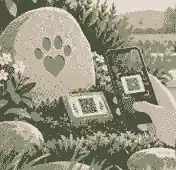
A QR memorial can be helpful when a family wants the stone or plaque to stay simple. The marker can carry the pet's name, years and one short phrase, while the QR destination holds photographs, stories, videos and guest messages. Evaheld Memorials' guide to what a QR memorial is in practice explains the basic concept for families considering a scannable code on a plaque, headstone or keepsake.
The QR code should not dominate the design. It should be clear, high contrast, large enough to scan and positioned where it will not collect dirt, scratches or water pooling. The prompt can be simple: “Scan for memories” or “Scan for tribute.” If the memorial is in a cemetery, obtain permission before adding anything permanent. If the marker is at home, think about who will scan it and what they should see. The destination may include a short biography, selected photos, a memory wall, voice recordings, a video montage or a small collection of tribute messages. For planning the destination, what a QR memorial can realistically link to is more useful than trying to squeeze every possibility into the inscription.
Privacy matters because a garden may be private today but visible to guests tomorrow, and a cemetery marker is often public by default. The Office of the Australian Information Commissioner's advice on social media and online privacy is a useful reminder that loving sharing still needs deliberate boundaries. Do not include your home address, children's full names, private phone numbers or sensitive family details on a public memorial page. If the family needs time, start privately and widen access later. Evaheld Memorials' discussion of private versus public online memorials can help families make that decision before the QR code is shared.
Pet loss, children and family memory
Pet grief can be profound because pets are woven into repeated daily routines. The American Veterinary Medical Association's general pet care resources include end-of-life topics, and the AVMA's pet euthanasia brochure notes that grief can involve sadness, anger, guilt, numbness and delayed reactions. The same AVMA pet euthanasia guidance encourages families to talk with someone trained in grief if sorrow remains overwhelming.
Children may need concrete choices rather than abstract explanations. Let them choose one photo, write one sentence, draw a picture, place a flower or decide whether a favorite toy should be photographed rather than buried. Do not ask them to produce polished wording. A sentence such as “Thank you for sleeping on my bed during storms” may be more meaningful than a formal memorial line. Adults may also need permission to grieve without feeling embarrassed. The Tufts Cummings School of Veterinary Medicine Pet Loss Support Helpline, Cornell University's pet loss resources and support, and the ASPCA's end of life care guidance all recognize that pet loss can be emotionally significant and that support is appropriate when grief feels heavy.
Surviving animals may also respond to the absence. RSPCA Australia's knowledgebase on whether animals grieve another animal in the household describes behavior changes that can appear after the loss of a companion. This can affect how a family manages the memorial space. If another pet becomes distressed around the burial spot or belongings, move slowly and keep routines stable.
In Australia, RSPCA Queensland's article on what to do when your pet passes away also emphasizes respectful aftercare and memorial options. The practical lesson is simple: the marker is only one part of the goodbye. Families may also need support, time, records, privacy and a way to involve everyone at a pace they can manage.
A practical decision framework
Use this sequence when choosing pet grave markers. First, decide where the pet will be remembered: burial place, garden, ashes display, cemetery, memorial bench, planter or digital tribute. Second, check the rules for that location. Third, choose the marker material for the environment. Fourth, draft the inscription without trying to fit the whole story. Fifth, decide whether a QR or online tribute should hold photos, video and longer memories. Sixth, decide who may contribute and whether the tribute should be private or public. Seventh, keep a copy of the wording, photos and QR destination details for future family reference.
If a family expects several people to contribute, the wording task becomes easier when one person holds the final edit and others supply memories. Once the family has gathered messages, photos and a tribute record worth preserving, how to download memorial content is relevant for keeping copies beyond the live page.
The final test is whether the marker still feels true when read aloud. It does not need to impress strangers. It needs to help the people who loved the pet recognize them. If the wording sounds like the pet, the family and the place, it is probably close.
When you are ready to connect the physical marker with a wider remembrance space, Evaheld Memorials can help you begin with pet grave markers that sit alongside photos, stories and family memories.
FAQs
What are pet grave markers? Pet tribute ideas, wording and memories
Pet grave markers are physical memorial signs, such as stones, plaques or garden markers, that identify where a pet is buried or remembered. They work best when the inscription stays concise and the fuller story lives in a pet memorial page with photos and stories; the American Veterinary Medical Association's pet care resources also recognize the importance of end-of-life and bereavement support.
What should I write on a pet grave marker?
Use the pet's name, years or time with your family, and one short line that sounds specific to them rather than generic. If you need examples, what to write on a pet headstone with tribute wording examples can help, while the AVMA pet euthanasia guidance explains why families may need time and support after the loss.
Can I bury a pet in my garden?
It depends on your country, local rules, property rights and environmental conditions, so check before digging or installing a permanent marker. UK families can compare their situation with pet memorial plaque wording materials and digital tribute planning and the government’s animal burials and groundwater pollution guidance.
Are pet ashes easier to memorialize than a burial?
Often, ashes give families more placement choices because they can be kept in an urn, buried in a planter, scattered with permission or placed beside a garden marker. When comparing options, choose between pet urns stones and plaques for a pet tribute decision is useful, and the UK government’s pet cemetery registration guidance shows how formal pet cemetery settings are treated differently.
Can a pet grave marker include a QR code?
Yes, a QR code can link a small marker to photos, stories, video and tribute messages, provided the code is durable, readable and appropriate for the setting. Families considering this should understand what a QR memorial is in practice and remember that the Office of the Australian Information Commissioner's online privacy advice supports careful decisions before sharing personal information publicly.
What material is best for outdoor pet grave markers?
Granite, quality stone, stainless steel and suitable cast metal tend to perform better outdoors than thin printed or painted materials, but climate and placement still matter. The article on which plaque materials cope best outdoors can help, and the USGS barbiturates publication is a reminder that outdoor memorial decisions can also intersect with animal remains and wildlife safety.
How do I keep a pet marker wording line short?
Choose one idea: a nickname, a habit, a thank-you, or the years together. If the rest belongs somewhere larger, what a QR memorial can realistically link to shows how longer memories can sit behind a small marker, while the U.S. Fish & Wildlife Service warning about euthanasia drugs and wildlife shows why practical aftercare should be handled carefully before the marker is placed.
Should a pet memorial be public or private?
Start with the people who are grieving most closely and decide whether wider sharing would comfort them or expose too much too soon. Evaheld Memorials' private versus public online memorials guidance can help, and Cornell University's pet loss resources and support show that grief support is appropriate when the loss feels difficult to carry.
How can children be included in a pet tribute?
Give children simple, concrete roles such as choosing a photo, drawing the pet, adding a flower, or writing one sentence beginning with “Thank you for.” A pet memorial stone with QR-linked online tribute planning approach can hold those contributions gently, and the ASPCA's end of life care guidance recognizes that many forms of grief are normal after losing a beloved pet.
How do I preserve pet memorial photos and messages long term?
Keep copies outside the live page: save photos, inscription drafts, guest messages, QR destination details and any printable tribute files in a family folder. Evaheld Memorials' how to download memorial content explains the preservation side, while RSPCA Australia's article on whether animals grieve another animal in the household can help families care for surviving pets as well.